
 By Audrey Hayes
Updated November 2026
Choosing the warmest sleeping bag liner can make a real difference when nights drop below freezing, yet most shoppers still focus only on the outer bag. A liner adds a thin layer of insulation, keeps body oils and grit away from your main bag, and can raise the effective temperature rating by several degrees depending on the material and fit. This list weighs five liners against four criteria: insulation type, warmth-to-weight ratio, packed size, and owner feedback on fit and durability. Specifications come from manufacturer listings and common owner-reported patterns, not from any testing on our part.
Our top picks at a glance
- 1
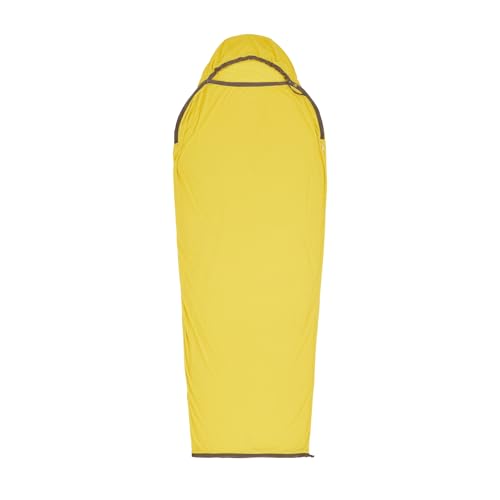 TOP CHOICEBest overallSea to Summit Reactor Sleeping Bag Liner, Regular StandardView on Amazon
- 2
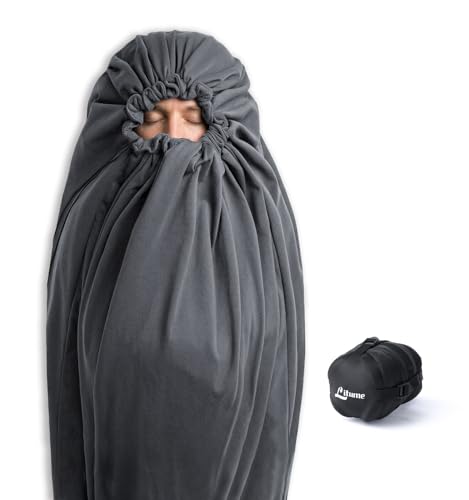 TOP CHOICEBest for cold, wet tripsLitume Fleece Mummy Sleeping Bag Liner, Dark GreyView on Amazon
- 3
 TOP CHOICEBest for small packsThe Friendly Swede Sleeping Bag Liner, Orange MicrofiberView on Amazon
- 4
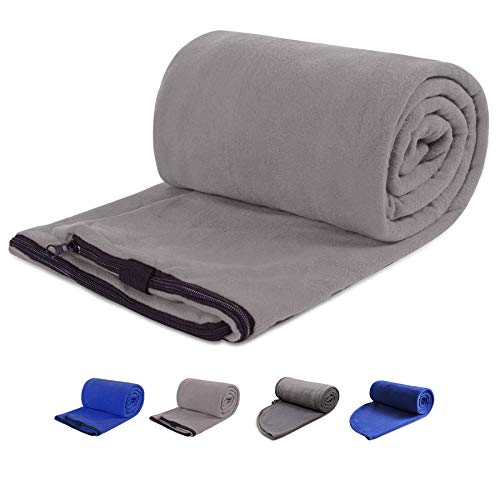 Best for car campingREDCAMP Fleece Sleeping Bag Liner for Adult, GreyView on Amazon
- 5
 Best budget pickFleece Sleeping Bag Liner, Navy BlueView on Amazon
Our Top Picks
Quick Comparison
| Product | Best for | Key feature |
|---|---|---|
| Sea to Summit Reactor Sleeping Bag Liner | Cold-weather camping | Insulated Thermolite fill |
| Litume Fleece Mummy Sleeping Bag Liner | Backpacking and winter travel | Compression bag and drawstring hood |
| The Friendly Swede Sleeping Bag Liner | Small packs and hostels | Pocket-size stuff sack and pillow pack |
| REDCAMP Fleece Sleeping Bag Liner | Car camping and larger frames | 75-inch full-length zipper design |
| Fleece Sleeping Bag Liner (Navy Blue) | Occasional campers | Full zipper and lightweight build |
Sea to Summit Reactor Sleeping Bag Liner, Regular Standard
Sea to Summit Reactor Sleeping Bag Liner, Regular Standard (85 x 31.5) | Insulated Thermolite sleeping bag liner adds warmth and improves hygiene in cold-weather camping
Best for: Cold-weather camping where you want the most warmth from a liner
This liner suits campers who sleep in cold conditions and want a liner that adds real insulation rather than just a barrier against dirt. It is also a sensible choice for anyone whose existing bag runs a little cool.
Key specs
- Regular standard size: 85 x 31.5 inches
- Insulated Thermolite construction
- Designed to add warmth and improve hygiene in cold-weather use
Pros
- Insulated design adds noticeable warmth over an uninsulated liner
- Helps keep the outer bag cleaner between washes
- Well-known brand with a track record in sleep systems
Cons
- Heavier and bulkier than thin silk or cotton liners
- Regular size may feel tight for taller sleepers
Bottom line: Pick this if your priority is maximum warmth and you can accept extra weight and pack volume.
View on AmazonLitume Fleece Mummy Sleeping Bag Liner, Dark Grey
Litume Fleece Mummy Sleeping Bag Liner, Dark Grey, With Compression bag | Compact, Lightweight, Drawstring Hood, Soft Polyester, Machine Washable, Backpacking, Camping, Hostel, Winter Travel
Best for: Backpacking and winter travel where packed size matters
Backpackers who need a warm liner without much bulk will find this a practical fit. The mummy shape keeps heat close to the body, and the drawstring hood helps trap warmth around the head.
Key specs
- Fleece mummy shape with drawstring hood
- Ships with a compression bag
- Machine washable polyester fabric
Pros
- Compression bag keeps packed volume small
- Hood adds warmth where heat is lost fastest
- Machine washable for easy cleaning
Cons
- Mummy cut can feel restrictive for side sleepers
- Fleece can pill over time with frequent washing, according to some owner reports
Bottom line: A strong choice for backpackers who want warmth and compactness in one liner.
View on AmazonThe Friendly Swede Sleeping Bag Liner, Orange Microfiber
The Friendly Swede Sleeping Bag Liner, Orange Microfiber, Zipper, Single | Cold Weather Microfiber, Pocket-Size Stuff Sack, Compact Travel Sheet for Camping, Hostels, Adult Sleep Sack with Pillow Pack
Best for: Small packs, hostels and travel where space is tight
This liner suits people who want a compact cold-weather layer that fits into a small pocket or daypack. It works well as a travel sheet as well as a camping liner.
Key specs
- Microfiber construction with zipper closure
- Pocket-size stuff sack included
- Single-person sizing
Pros
- Very compact when packed
- Zipper makes it easy to use with a sleeping bag or alone
- Useful for hostels and shared accommodation
Cons
- Thinner than insulated or fleece options, so warmth is modest
- Single sizing may be snug for broad sleepers
Bottom line: Best for travelers and minimalist campers who value packability over maximum warmth.
View on AmazonREDCAMP Fleece Sleeping Bag Liner for Adult, Grey
REDCAMP Fleece Sleeping Bag Liner for Adult, Grey | Warm or Cold Weather 75" Long Full Sized Zipper Camping Blanket Liner with Bag for Outdoor Indoor Used
Best for: Car camping and campers who want extra length and room
Campers with taller frames or those who move around in their sleep will appreciate the generous length. This liner is built for comfort at a campsite rather than minimal pack weight.
Key specs
- 75-inch full-length design
- Full zipper for easy entry and exit
- Fleece fabric for warm or cool conditions
Pros
- Long length suits taller sleepers
- Full zipper allows use as a loose blanket
- Fleece provides a soft, comfortable feel
Cons
- Bulky to carry on foot trips
- Less packable than compact microfiber or mummy designs
Bottom line: A comfortable pick for car campers and tall users who prioritize room over weight.
View on AmazonFleece Sleeping Bag Liner, Navy Blue
Fleece Sleeping Bag Liner, Camping Sleep Bag Travel Sheet with Zipper,Lightweight Travel Camping Sheet Sleep.(Navy Blue
Best for: Occasional campers who want a simple, full-zip liner
This is a straightforward fleece liner for people who camp a few times a year and want a clean, easy-to-use layer without spending heavily on specialty features.
Key specs
- Full zipper closure
- Lightweight travel-sheet design
- Navy blue colorway
Pros
- Simple design that is easy to use
- Lightweight and easy to store
- Good option for a budget-conscious first purchase
Cons
- Limited specification detail from the listing
- Warmth may not match insulated liners in severe cold
Bottom line: A sensible starter liner for occasional use in mild to moderately cool conditions.
View on AmazonBuying Guide
Insulation Type
Liners fall into three broad groups: silk or thin synthetic, fleece, and insulated synthetic such as Thermolite. Silk and thin synthetics add only a few degrees of warmth but pack very small. Fleece adds a moderate amount and holds up well to washing. Insulated liners add the most warmth but weigh more. For the warmest result in cold weather, choose insulated or thick fleece over thin fabrics.
Good picks for this: Sea to Summit Reactor Sleeping Bag Liner, Litume Fleece Mummy Sleeping Bag Liner
Shape: Mummy vs. Rectangular
Mummy liners follow the body and trap more heat, especially around the shoulders and head. Rectangular liners offer more room and are easier for restless sleepers. If you wear a hood or sleep in a tight bag, a mummy shape usually gives more warmth per ounce.
Good picks for this: Litume Fleece Mummy Sleeping Bag Liner, REDCAMP Fleece Sleeping Bag Liner
Length and Fit
A liner that is too short compresses the insulation at the feet and reduces warmth. Check your height against the listed length and allow a few inches of margin. Tall campers should look for full-length designs of 75 inches or more. A snug fit helps the liner stay in place inside the outer bag.
Good picks for this: REDCAMP Fleece Sleeping Bag Liner, Sea to Summit Reactor Sleeping Bag Liner
Packed Size and Weight
If you carry your gear on foot, packed volume matters as much as warmth. Compression sacks and pocket-size stuff sacks can cut bulk significantly. Expect insulated liners to take up more space than microfiber or silk options. Weigh the extra warmth against the load you will carry for the whole trip.
Good picks for this: The Friendly Swede Sleeping Bag Liner, Litume Fleece Mummy Sleeping Bag Liner
Zipper or Open Design
Full-zip liners let you use the liner as a blanket, ventilate on mild nights, and get in and out easily. Open or sleeve-style liners are often lighter and sometimes warmer per gram, but they are less flexible. If you camp in variable weather, a zipper is usually worth the extra bulk.
Good picks for this: The Friendly Swede Sleeping Bag Liner, Fleece Sleeping Bag Liner (Navy Blue)
Durability and Washing
Liners see constant contact with skin and body oils, so washability matters. Check whether the fabric is machine washable and how it holds up to repeated cycles. Fleece and polyester generally tolerate washing well, though owners sometimes report pilling over time. Air drying helps preserve loft and fabric life.
Good picks for this: Litume Fleece Mummy Sleeping Bag Liner, REDCAMP Fleece Sleeping Bag Liner
Your Use Case
A liner for a winter backpacking trip has different needs than one for summer hostel stays. Match the product to the conditions you expect. For sub-freezing nights, prioritize insulation and a hood. For mild travel, a compact microfiber liner may be enough. Think about where you will use it most often before choosing.
Good picks for this: Sea to Summit Reactor Sleeping Bag Liner, The Friendly Swede Sleeping Bag Liner
FAQ
How much warmth does a sleeping bag liner actually add?
The added warmth depends on the liner’s material and thickness. Thin silk or microfiber liners add only a few degrees, while insulated or fleece liners can add more. Manufacturers often state comfort-rating changes on their listings, so check those figures when comparing models.
Can I use a liner without a sleeping bag?
Yes. Many liners with full zippers work as lightweight blankets or travel sheets. Their warmth alone will be limited, so they are best for mild conditions or as an added layer on top of blankets indoors.
Should a liner be bigger or smaller than my sleeping bag?
A liner should fit inside your bag without bunching. If it is too loose, insulation can shift and create cold spots. If it is too tight, it may compress the bag’s loft and reduce warmth. Aim for a snug but comfortable fit.
How often should I wash a sleeping bag liner?
Washing after several trips, or whenever it becomes visibly soiled, is a common approach. Frequent washing can wear fabric faster, so balance cleanliness with care. Follow the care label closely and air dry when possible.
Do liners help with hygiene?
A liner acts as a barrier between your skin and the outer bag, which can reduce dirt, oil, and moisture reaching the main bag. This makes the outer bag easier to clean and can extend its life, though it does not replace regular washing.
Is a liner worth buying if my bag is already warm?
It can still be useful. A liner keeps the outer bag cleaner and adds a small amount of warmth on very cold nights. If your bag is already rated well below your expected lows, a liner is more of a comfort and hygiene upgrade than a necessity.
Are liners safe for all ages?
Liners are generally safe for adults and older children when used as intended. Anyone camping in extreme cold, managing a medical condition, or caring for young children should consult a professional or a qualified outdoor safety resource before relying on a liner for warmth.
Conclusion
For the most warmth in cold conditions, the Sea to Summit Reactor Sleeping Bag Liner stands out on paper because of its insulated construction. Backpackers who need warmth in a compact package will find the Litume Fleece Mummy Sleeping Bag Liner a practical match. Travelers and campers who prioritize packability should look at The Friendly Swede. The REDCAMP liner suits car campers and taller sleepers, while the navy fleece liner fits occasional users with simpler needs. Match the liner to your expected temperatures, packed-size limits and body size, and the right choice becomes clear.
Sources
- Consumer safety guidance on product use, care and hazards for outdoor and household textiles (cpsc.gov)
- Backcountry camping guidance on cold-weather preparedness and sleep systems (nps.gov)
- Standards information relevant to textile and product performance
Related reading
- Summer Sleeping Bags, Quilts and Liners
- Sleeping Bag Liners, Pumps and Pad Couplers Explained
- Best Sleeping Bag Liners
- 6 Best Warm Sleeping Bag Liners for Cold Weather Camping (2026)
- 6 Best Sleeping Bag Liners for Warmth in Cold Weather (2026)
- 6 Best Sleeping Bag Liner Fleeces for Camping in 2026
- 6 Best REI Sleeping Bag Liners for Warmth and Comfort (2026)
About Audrey Hayes
Audrey Hayes is part of our editorial team and reviews and edits our camping equipment guides, checking product details against manufacturer specifications and owner feedback.








