
 By Audrey Hayes
Updated November 2026
Shoppers looking for an ozark trail sleeping pad usually want one thing: a pad that keeps them off the ground without a lot of fuss. Some need something that packs small for a hike, others want a wide, plush surface for a family tent. The six options below were selected by comparing manufacturer specifications, overall build style (foam, self-inflating, or air), packed size, and the kinds of feedback owners tend to share about comfort, puncture resistance, and inflation hassles. Each entry is matched to a specific need so you can narrow the field quickly.
Our top picks at a glance
- 1
 TOP CHOICEBest overallTherm-a-Rest Z Lite Original Camping and Backpacking Sleeping PadView on Amazon
- 2
 TOP CHOICEBest for backpackingPretyw Ultralight Camping Sleeping Pad with Pillow & Built-in Foot PumpView on Amazon
- 3
 TOP CHOICEBest budget pickFoam Camping Pads for Sleeping, Foldable Closed Cell Foam Camping MattressView on Amazon
- 4
 Best for family campingWakeman Outdoors Foam Sleeping Pad for Camping, BlueView on Amazon
- 5
 Best for compact packingFUN PAC Camping Sleeping Pad with PillowView on Amazon
- 6
 Best for car and tent comfortSleeping Pad for Camping, Built-in Pump with PillowView on Amazon
Our Top Picks
| Product | Best for | Key feature |
|---|---|---|
| Therm-a-Rest Z Lite Original Camping and Backpacking Sleeping Pad | Overall use, backpacking | Closed-cell foam, very durable |
| Pretyw Ultralight Camping Sleeping Pad with Pillow & Built-in Foot Pump | Backpacking | Ultralight, built-in foot pump |
| Foam Camping Pads for Sleeping, Foldable Closed Cell Foam Camping Mattress | Budget buyers | Foldable, waterproof closed-cell foam |
| Wakeman Outdoors Foam Sleeping Pad for Camping, Blue | Family camping, cots and tents | Thick foam with carry straps |
| FUN PAC Camping Sleeping Pad with Pillow | Compact packing | Small packed size, pillow included |
| Sleeping Pad for Camping, Built-in Pump with Pillow | Car and tent comfort | Built-in pump and pillow |
Therm-a-Rest Z Lite Original Camping and Backpacking Sleeping Pad
Therm-a-Rest Z Lite Original Camping and Backpacking Sleeping Pad | Ultralight, durable trail comfort with Z Lite Sleeping Pad
Best for: Overall use across backpacking and general camping
This is a foam pad from a long-established sleeping pad maker, suited to campers who want a reliable, no-inflation option that will not go flat on a rocky site.
Key specs
- Closed-cell foam construction
- Designed for camping and backpacking use
- No inflation required
Pros
- Puncture-resistant foam that does not depend on valves
- Simple to deploy at any campsite
- Widely used, with a brand reputation for durability
Cons
- Bulkier when strapped to a pack than air-based options
- Less cushioning than a thick inflatable for side sleepers
Bottom line: A strong first choice for campers who want durability and low maintenance over maximum comfort.
View on AmazonPretyw Ultralight Camping Sleeping Pad with Pillow & Built-in Foot Pump
Camping Mattress, Compact Inflatable Portable Mat for Camping, Backpacking, Hiking, Car Traveling, Beach, Tent, Single, Green Ultralight Camping Sleeping Pad with Pillow & Built-in Foot Pump
Best for: Backpacking
Aimed at hikers who need to save weight and pack volume while still getting a pillow and a pad that inflates without a separate pump.
Key specs
- Ultralight inflatable design
- Built-in foot pump
- Integrated pillow
Pros
- Light enough for multi-day carries
- Foot pump removes the need to carry a separate inflator
- Pillow adds comfort without extra gear
Cons
- Inflatable pads can lose air over a long night; owners often recommend topping up
- Thinner than heavier pads for cold-ground insulation
Bottom line: Best suited to backpackers who value packed weight and a pillow over maximum warmth.
View on AmazonFoam Camping Pads for Sleeping, Foldable Closed Cell Foam Camping Mattress
Foam Camping Pads for Sleeping, Foldable Closed Cell Foam Camping Mattress, Waterproof Outdoor Sleeping Mat for Ultralight Backpacking Thru-Hiking
Best for: Budget buyers
A foldable closed-cell foam pad for campers who want a simple, waterproof sleeping surface without spending heavily on inflatable systems.
Key specs
- Closed-cell foam
- Foldable construction
- Waterproof surface
Pros
- Cannot be punctured the way inflatables can
- Waterproof and easy to wipe clean
- Low-maintenance with no valves or pump
Cons
- Firmer and less plush than inflatable pads
- Takes up more space in a pack unless folded tightly
Bottom line: A practical budget pick for casual campers, kids, or anyone who prefers zero setup.
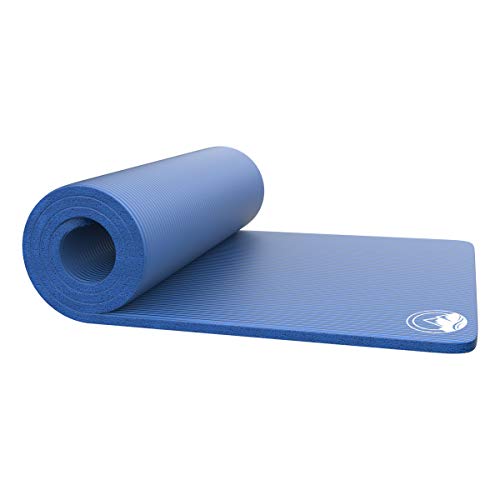
View on AmazonWakeman Outdoors Foam Sleeping Pad for Camping, Blue
Wakeman Outdoors Foam Sleeping Pad for Camping, Blue, 72x24x0.75in | Thick Waterproof Sleep Pad with Carry Straps for Cots, Tents, Sleepovers or Camping Essentials
Best for: Family camping, cots and tents
A wide, thick foam pad with carry straps, suited to car campers and families who want extra surface area and cushioning in a larger tent.
Key specs
- Listed dimensions: 72 x 24 x 0.75 inches
- Waterproof foam surface
- Carry straps included
Pros
- Generous length and width for adults
- Carry straps make it easy to move between car and campsite
- Works on cots and tent floors alike
Cons
- Bulky to pack for backpacking
- Foam offers less insulation than a high-R-value inflatable in cold weather
Bottom line: A good match for car camping with family or for anyone who wants a larger, simpler pad.
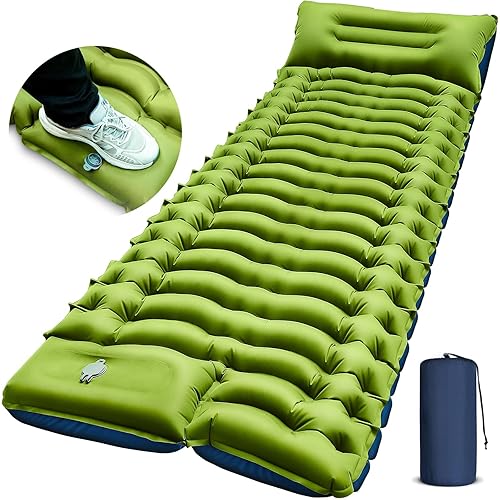
View on AmazonFUN PAC Camping Sleeping Pad with Pillow
FUN PAC Camping Sleeping Pad, Ultralight Camping Mat with Pillow, Built-in Foot Pump Inflatable Sleeping Pads Compact for Camping Backpacking Hiking Traveling Tent,Single,Green
Best for: Compact packing
An inflatable pad with a pillow and built-in foot pump, designed to roll down small for campers who need to fit gear into limited trunk or pack space.
Key specs
- Ultralight inflatable design
- Built-in foot pump
- Pillow included
Pros
- Compact when rolled and stored
- No separate pump needed
- Includes a pillow for added comfort
Cons
- Inflatable pads need occasional re-inflation during the night
- Puncture risk is higher than with closed-cell foam
Bottom line: Ideal for campers who prioritize packed size and want a pillow without buying extra gear.
View on AmazonSleeping Pad for Camping, Built-in Pump with Pillow
Sleeping Pad for Camping, Built-in Pump with Pillow | Waterproof, Air Mattress for Backpacking, Hiking, Tent, Overnight Travel, Compact & Comfortable for Outdoor Adventures
Best for: Car and tent comfort
An inflatable pad with a built-in pump and pillow, aimed at campers who sleep in tents or cars and want a softer surface than foam provides.
Key specs
- Built-in pump
- Integrated pillow
- Designed for camping, backpacking, and car travel
Pros
- Softer surface for side sleepers
- Built-in pump speeds up setup
- Pillow included
Cons
- Inflatable construction means a valve and seams to check for leaks
- Less insulation than thick foam in cold ground conditions
Bottom line: A comfort-focused choice for tent and car campers who do not need the lightest possible pack weight.
View on AmazonBuying Guide
Pad type: foam, inflatable, or self-inflating
Closed-cell foam pads do not depend on valves and resist punctures, which makes them a reliable default for rough ground. Inflatable pads pack smaller and feel softer but can lose air overnight and need patching if punctured. Self-inflating designs fall between the two. Consider your ground, your storage space, and how much setup time you are willing to accept.
Good picks for this: Therm-a-Rest Z Lite Original Camping and Backpacking Sleeping Pad, Foam Camping Pads for Sleeping, Foldable Closed Cell Foam Camping Mattress
Thickness and insulation
Thickness affects both cushioning and warmth. Many campers find that a thin pad is fine for summer nights but feels cold on frozen or damp ground. Foam pads at about 0.75 inches are common for casual use. For cold weather, look for a higher insulation rating (R-value) listed by the manufacturer, since thickness alone does not tell you how warm a pad will keep you.
Good picks for this: Wakeman Outdoors Foam Sleeping Pad for Camping, Blue, Sleeping Pad for Camping, Built-in Pump with Pillow
Packed size and weight
If you will carry your pad on your back, packed size matters as much as weight. Inflatable pads with a roll-up design usually pack smallest. Foam pads are bulkier but cannot fail from a leak. Measure your pack’s external capacity before choosing, and remember that foam pads often strap to the outside of a pack.
Good picks for this: Pretyw Ultralight Camping Sleeping Pad with Pillow & Built-in Foot Pump, FUN PAC Camping Sleeping Pad with Pillow
Size and fit
Check the listed dimensions and compare them to your height. A pad that is too short leaves your feet on cold ground. Side sleepers often prefer width of 24 inches or more. If you share a tent or cot, consider the total footprint and whether the pad will stay in place on the surface you use.
Good picks for this: Wakeman Outdoors Foam Sleeping Pad for Camping, Blue, Sleeping Pad for Camping, Built-in Pump with Pillow
Use case: backpacking, car camping, or family trips
Backpackers should prioritize weight and packed volume. Car campers can accept more bulk in exchange for comfort and width. Families with kids may prefer a durable, waterproof surface that is easy to clean. Matching the pad to how you travel is more useful than chasing a single top spec.
Good picks for this: Therm-a-Rest Z Lite Original Camping and Backpacking Sleeping Pad, Pretyw Ultralight Camping Sleeping Pad with Pillow & Built-in Foot Pump
Durability and puncture resistance
Closed-cell foam resists punctures because it has no air chambers to fail. Inflatable pads should be checked for leaks before a trip, and owners often recommend carrying a repair kit. Use a footprint or groundsheet under any pad to reduce abrasion from rocks and sticks.
Good picks for this: Foam Camping Pads for Sleeping, Foldable Closed Cell Foam Camping Mattress, Therm-a-Rest Z Lite Original Camping and Backpacking Sleeping Pad
Care and storage
Let inflatable pads dry fully before storing to prevent mildew. Store pads loosely rather than compressed for long periods, especially foam, which can lose loft if stored tightly rolled for months. Wipe foam surfaces with mild soap and water. Follow the manufacturer’s care instructions for any valve or pump.
Good picks for this: Wakeman Outdoors Foam Sleeping Pad for Camping, Blue, Foam Camping Pads for Sleeping, Foldable Closed Cell Foam Camping Mattress
FAQ
What is an ozark trail sleeping pad good for?
Ozark Trail pads, like most budget-to-mid-range camping pads, are generally used for car camping, tent camping, and casual backpacking where the main goal is a more comfortable surface than bare ground. Check each model’s listed dimensions and insulation details to confirm it suits your trip.
Should I choose foam or inflatable?
Foam is the safer choice for rough ground and families because it cannot go flat. Inflatables pack smaller and feel softer but need checking for leaks. Choose based on your storage space and how much setup time you want.
How thick should a sleeping pad be?
For summer car camping, around 0.75 to 1.5 inches is often enough for comfort. Cold-weather use benefits from thicker pads and a higher insulation rating. Manufacturers’ R-value figures are a better guide to warmth than thickness alone.
How do I stop an inflatable pad from going flat overnight?
Inflate it to a firm but not tight level, since cold air contracts and reduces pressure. Sleeping on a foam pad underneath also helps insulate and protect against punctures. Owners often report that topping up in the morning is normal.
Can I use a sleeping pad in a truck bed?
Yes, many campers use a sleeping pad in a truck bed or car, though a wider, thicker foam pad is often easier to position on uneven surfaces. Check that the pad fits the space without bunching.
How do I clean and store my pad?
Wipe foam pads with mild soap and water and let them air dry. Dry inflatable pads completely before rolling them up. Store them uncompressed where possible and away from heat and moisture.
Conclusion
For most campers looking for a dependable ozark trail sleeping pad alternative, the Therm-a-Rest Z Lite is a solid overall choice because of its closed-cell foam build and low maintenance. Backpackers who count every ounce should look at the Pretyw Ultralight pad, while budget buyers may prefer the foldable closed-cell foam mattress. Families and car campers will likely appreciate the wide Wakeman Outdoors foam pad, and those who want softness and a built-in pump can consider the pump-and-pillow model. Match the pad to your trip, check the listed specifications, and confirm the insulation level before a cold-weather outing.
Sources
- Consumer product safety information relevant to camping gear and outdoor equipment (cpsc.gov)
- Guidance on camping safety, campsite preparation, and outdoor site conditions (nps.gov)
- Information on outdoor conditions, soil and ground surfaces, and seasonal weather patterns (usda.gov)
Related reading
- Sleeping Bag Ozark Trail: How to Choose the Right Model for Your Trip
- Sleeping Pad R-Value Explained: How Much Insulation You Need
- Sleeping Bag Liners, Pumps and Pad Couplers Explained
- Self-Inflating Sleeping Pads: How They Work and How to Care for Them
- How to Find and Patch a Leak in an Air Sleeping Pad
About Audrey Hayes
Audrey Hayes is part of our editorial team and reviews and edits our camping equipment guides, checking product details against manufacturer specifications and owner feedback.







