
 By Audrey Hayes
Updated November 2026
Choosing a cell foam sleeping pad comes down to a few trade-offs: how much you want to carry, how much insulation you need from the ground, how tough the material has to be, and how much you care about packed size. This guide compares six closed-cell foam options from the listing names and the specifications those listings state. We judged each pad against four criteria: weight and packed size, stated insulation, material durability and owner feedback patterns on comfort and puncture resistance. Nothing here is based on our own testing, so check the listing details before you buy.
Our top picks at a glance
- 1
 TOP CHOICEBest overallTherm-a-Rest Z Lite Original Camping and Backpacking Sleeping PadView on Amazon
- 2
 TOP CHOICEBest for ultralight backpackingFoam Camping Pads for Sleeping, Foldable Closed Cell Foam Camping MattressView on Amazon
- 3
 TOP CHOICEBest for small packsUltralight Foam Sleeping Pad, Waterproof Closed Cell Foam Pad for SupeView on Amazon
- 4
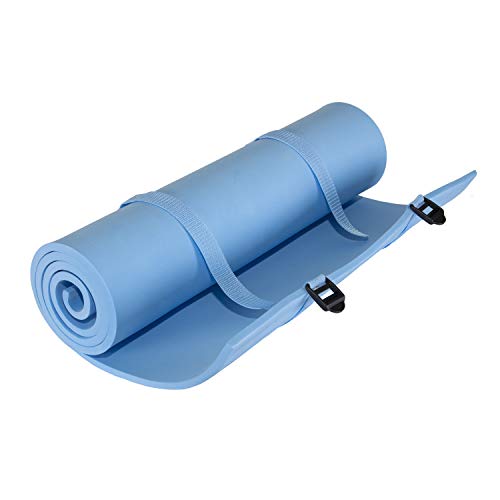 Best for roll-up storageStansport Pack Lite Camping & Backpacking Sleeping PadView on Amazon
- 5
 Best for insulation on a budgetREDCAMP 72"x22"x0.75" Foldable Foam Camping Pads for Sleeping, WaterprView on Amazon
- 6
 Best for camp chairs and short sitsFoldable Foam Mat,Portable Dampproof Pad Lightweight Tent Rest MattresView on Amazon
Our Top Picks
Quick Comparison
| Product | Best for | Key feature |
|---|---|---|
| Therm-a-Rest Z Lite Original Camping and Backpacking Sleeping Pad | Backpackers who want a proven closed-cell pad | Lightweight, durable trail comfort |
| Foam Camping Pads for Sleeping, Foldable Closed Cell Foam Camping Mattress | Thru-hikers and ultralight backpacking | Foldable, waterproof closed-cell construction |
| Ultralight Foam Sleeping Pad, Waterproof Closed Cell Foam Pad | Compact packing in small bags | Folding design for compact storage |
| Stansport Pack Lite Camping & Backpacking Sleeping Pad | Roll-up storage and straps-included carrying | Roll-up design with carry straps |
| REDCAMP Foldable Foam Camping Pad, R-2.1 | Shoulder-season and mixed-use camping | Stated R-2.1 insulation |
| Foldable Foam Mat, Portable Dampproof Pad | Seat cushions and short ground sits | Moisture-resistant folding mat |
Therm-a-Rest Z Lite Original Camping and Backpacking Sleeping Pad
Therm-a-Rest Z Lite Original Camping and Backpacking Sleeping Pad | Ultralight, durable trail comfort with Z Lite Sleeping Pad
Best for: Backpackers who want a proven closed-cell pad For another angle, check out Best Sleeping Pads for Camping: 6 Pads Compared.
This is a well-known closed-cell pad from a brand many campers recognize. It suits people who value consistent comfort on the trail and want a pad that folds down and clips to a pack.
Key specs
- Closed-cell foam construction
- Lightweight trail design
- Folding, pack-friendly form
Pros
- Recognizable brand with a long history in foam pads
- Durable closed-cell material that resists punctures from sharp ground debris
- Works without inflation or pumping
Cons
- Firmer feel than inflatable pads for side sleepers
- Bulkier when packed than the thinnest ultralight foam options
Bottom line: A strong default choice for backpackers who want a dependable foam pad without a lot of experimentation.
View on AmazonFoam Camping Pads for Sleeping, Foldable Closed Cell Foam Camping Mattress
Foam Camping Pads for Sleeping, Foldable Closed Cell Foam Camping Mattress, Waterproof Outdoor Sleeping Mat for Ultralight Backpacking Thru-Hiking
Best for: Ultralight backpacking
Aimed at thru-hikers and anyone counting every ounce, this foldable closed-cell mat is designed to be light and waterproof for long days on the trail.
Key specs
- Closed-cell foam, foldable
- Waterproof surface
- Designed for backpacking and thru-hiking
Pros
- Light enough for long-distance carry
- Waterproof, so it works on damp ground
- Simple to deploy with no moving parts
Cons
- Thin profile offers less cushioning on hard ground
- Foam can crease over time with repeated folding
Bottom line: Best for hikers who prioritize weight and will accept a thinner, firmer sleeping surface.
View on AmazonUltralight Foam Sleeping Pad, Waterproof Closed Cell Foam Pad for Superior Insulation, Folding Sleeping Mat for Compact Storage, Foldable and Portable for Hiking and Camping (Blue)
Ultralight Foam Sleeping Pad, Waterproof Closed Cell Foam Pad for Superior Insulation, Folding Sleeping Mat for Compact Storage, Foldable and Portable for Hiking and Camping (Blue)
Best for: Compact packing in small bags
This blue foldable pad is marketed around compact storage and insulation. It fits hikers who need to squeeze gear into a small pack and still want a waterproof layer under their bag.
Key specs
- Closed-cell waterproof foam
- Folding design for compact storage
- Portable for hiking and camping
Pros
- Folds small for tight packing
- Waterproof surface resists ground moisture
- No inflation needed
Cons
- Thin foam gives limited padding for side sleepers
- Insulation depends heavily on the ground and season, so check the listing for any stated rating
Bottom line: A good match for campers who pack light and want a simple, compact foam layer.
View on AmazonStansport Pack Lite Camping & Backpacking Sleeping Pad
Stansport Pack Lite Camping & Backpacking Sleeping Pad – Lightweight Closed Cell Foam Mat – Waterproof & Puncture-Proof – Roll-Up Portable Design for Hiking & Outdoor Sleep – Straps Included
Best for: Roll-up storage and straps-included carrying
This roll-up closed-cell pad includes straps, which makes it easy to strap to the outside of a pack or hang from a bike rack. It suits people who want simple, no-fuss storage.
Key specs
- Closed-cell foam construction
- Roll-up design
- Carry straps included
Pros
- Straps included for easy carrying
- Waterproof and puncture-resistant closed-cell material
- Simple roll-up storage
Cons
- Rolled bulk can be larger than folded designs
- Comfort is firm, which may not suit all sleepers
Bottom line: A practical choice for campers who prefer rolling a pad over folding it and want straps in the box.
View on AmazonREDCAMP 72″x22″x0.75″ Foldable Foam Camping Pads for Sleeping, Waterproof Closed Cell Foam Camping Sleeping Pad, R-2.1 Insulated, Royal Blue 1 Pack
REDCAMP 72"x22"x0.75" Foldable Foam Camping Pads for Sleeping, Waterproof Closed Cell Foam Camping Sleeping Pad – Ultra-Lightweight for Hiking & Backpacking, R-2.1 Insulated, Royal Blue 1 Pack
Best for: Budget-minded campers needing stated insulation
The listing states a 72-inch by 22-inch by 0.75-inch size and an R-2.1 insulation rating. It is a reasonable pick for three-season camping where you want a full-length foam pad.
Key specs
- Dimensions: 72 x 22 x 0.75 inches
- Stated R-value: R-2.1
- Closed-cell, foldable, waterproof
Pros
- Full-length coverage at a 0.75-inch thickness
- Stated R-2.1 insulation for three-season use
- Foldable and waterproof
Cons
- Thickness is modest, so ground feel will be firm
- Not designed for winter camping on snow
Bottom line: A sensible option for three-season campers who want a full-length foam pad with a stated R-value.
View on AmazonFoldable Foam Mat, Portable Dampproof Pad Lightweight Tent Rest Mattress, Foldable Camping for Seat Cushion Hiking Moistureproof Sitting Pad Mattress Mat Outdoor
Foldable Foam Mat,Portable Dampproof Pad Lightweight Tent Rest Mattress,Foldable Camping for Seat Cushion Hiking Moistureproof Sitting Pad Mattress MatOutdoor
Best for: Seat cushions and short ground sits
This moistureproof foldable mat works well as a sitting pad at a campsite or a cushion under a camp chair. It is less suited to full-night sleeping on uneven ground.
Key specs
- Foldable foam construction
- Dampproof surface
- Usable as seat cushion or sleeping mat
Pros
- Versatile as a seat pad and a light sleeping layer
- Moisture-resistant surface
- Lightweight and easy to fold
Cons
- Thinner than dedicated sleeping pads, so less cushioning for overnight sleep
- Limited insulation compared with purpose-built pads
Bottom line: Best for campers who want one foam mat for sitting and light sleeping, not a primary overnight pad.
View on AmazonBuying Guide
Thickness and comfort
Closed-cell foam pads are usually thinner than inflatable pads, and thickness drives both cushioning and insulation. Listings often state thickness in inches. A 0.75-inch pad will feel firmer on hard ground than a thicker foam layer, so side sleepers should look at the thickest option that still packs down to a size they can carry.
Good picks for this: Therm-a-Rest Z Lite Original Camping and Backpacking Sleeping Pad, REDCAMP Foldable Foam Camping Pad
Insulation and R-value
Insulation is measured as R-value. Higher numbers mean more protection from cold ground. Foam pads generally offer modest R-values, and the number matters most when the ground is cold. Check whether a listing states an R-value before assuming insulation, and read more in our article on Sleeping Pad R-Value Explained: How Much Insulation You Need.
Good picks for this: REDCAMP Foldable Foam Camping Pad, Therm-a-Rest Z Lite Original Camping and Backpacking Sleeping Pad
Packed size and weight
Folding pads pack smaller than roll-up pads of the same length. If your pack is small or you carry a bike, the folded footprint and weight matter more than the open size. Compare the stated dimensions before buying.
Good picks for this: Ultralight Foam Sleeping Pad, Foam Camping Pads for Sleeping, Foldable Closed Cell Foam Camping Mattress
Waterproofing and moisture
Closed-cell foam does not absorb water, which makes it useful on damp ground. A waterproof surface also keeps condensation from soaking into your bag. For seating or wet-site use, a dampproof surface is a practical feature.
Good picks for this: Foldable Foam Mat, Portable Dampproof Pad, Stansport Pack Lite Camping & Backpacking Sleeping Pad
Durability and puncture resistance
Foam pads avoid the leak risk of inflatables, but they can still crease or wear. Owners often report that closed-cell foam resists punctures well, while repeated tight folding can leave permanent creases. Store the pad loosely when not in use and avoid long periods of compression.
Good picks for this: Stansport Pack Lite Camping & Backpacking Sleeping Pad, Therm-a-Rest Z Lite Original Camping and Backpacking Sleeping Pad
Intended use case
Match the pad to the trip. Backpacking favors light, folding designs. Car camping can justify a bulkier, more comfortable pad. Seat cushions and camp chairs need a different shape and surface than a sleeping pad. Think about where you will sleep, sit and carry the pad before choosing.
Good picks for this: Foldable Foam Mat, Portable Dampproof Pad, Ultralight Foam Sleeping Pad
Care and storage
Wipe foam pads clean with mild soap and water and let them dry completely before storing. Keep them away from direct heat and sunlight, which can degrade foam over time. Store the pad unfolded or loosely rolled rather than tightly compressed for long periods.
Good picks for this: Therm-a-Rest Z Lite Original Camping and Backpacking Sleeping Pad, Stansport Pack Lite Camping & Backpacking Sleeping Pad
FAQ
Is a cell foam sleeping pad warm enough for winter?
Foam pads can help with insulation, but their stated R-values are usually modest. For cold-weather camping, check the R-value on the listing and consider stacking a foam pad under an inflatable pad. Consult a professional guide or a reputable outdoor school for winter-specific advice.
How thick should a foam sleeping pad be?
Many foam pads in this category are around 0.75 inches thick. Thicker pads feel softer but pack bigger. Side sleepers usually want more thickness, while backpackers often accept a thinner pad to save weight.
Can I use a foam pad as a seat cushion?
Yes, many foam pads work well as seat cushions at a campsite. A dampproof surface helps when sitting on wet ground. A dedicated sitting pad may be more comfortable for long stretches.
Does closed-cell foam absorb water?
No. Closed-cell foam is designed so water does not soak in, which makes it useful on damp ground. The surface can still get dirty, so wipe it down after use.
How do I keep a foam pad from creasing?
Avoid folding it into the same tight shape every time and avoid storing it compressed for long periods. Loose storage helps the foam keep its shape over the life of the pad.
Are foam pads better than inflatable pads?
It depends on the trip. Foam pads never leak and are easy to deploy, but they are usually less comfortable and less insulating than good inflatable pads. Many campers use both. For more on this comparison, see Sleeping Pad or Air Mattress (2026): Which Is Better for Camping?
Conclusion
For a reliable all-around foam pad, the Therm-a-Rest Z Lite is a sound default. Ultralight hikers who count every ounce should look at the thin foldable closed-cell mats. Campers who need a stated R-value for three-season use will find the REDCAMP option a practical fit. The Stansport roll-up pad suits people who prefer straps and simple rolling, and the moistureproof foldable mat works best as a seat cushion or light sleeping layer. Match the pad to your trip, check the stated specifications, and consider a foam layer under an inflatable pad if you camp in cold conditions.
Sources
- Product safety guidance relevant to consumer outdoor equipment (cpsc.gov)
- Backcountry camping and Leave No Trace guidance for campsite use (nps.gov)
- Information on material properties and moisture in outdoor and natural settings (usda.gov)
Related reading
- Closed-Cell Foam Sleeping Pads: Pros, Cons and Uses
- 5 Best Closed-Cell Foam Sleeping Pads for Backpacking (2026)
- How Does Self Inflating Sleeping Pad Work? Open-Cell vs Closed-Cell (2026)
About Audrey Hayes
Audrey Hayes is part of our editorial team and reviews and edits our camping equipment guides, checking product details against manufacturer specifications and owner feedback.







