When warm nights roll in, a bulky cold-weather bag is more of a burden than a comfort. Summer sleeping bags, quilts and liners keep you cool while still protecting you from the chill of early mornings, and the right choice depends on how you camp, how you sleep, and how much you want to carry. This guide covers the main types, the features that actually matter, and how to keep summer gear clean when you wash it far more often than a winter bag.
What summer sleeping gear is and who it suits
Summer sleeping gear is designed for campground nights when temperatures stay mild and your main job is to stay dry and comfortable rather than fight deep cold. It suits first-time campers, families on car-camping trips, backpackers trimming pack weight, and anyone who sleeps warm and finds a three-season bag too hot from late spring through early fall.
Many summer bags are uninsulated or lightly insulated shells, while quilts skip the back panel entirely and liners add a thin layer you can use on its own. Because they are lighter and less bulky than cold-weather bags, they also earn their place on shoulder-season trips when used as a layer inside a warmer setup.
Main types: bags, quilts and liners
Before you compare features, it helps to understand the three broad ways to sleep in warm weather. Each has a different fit, weight, and venting style.
| Type | Best for | Trade-off |
|---|---|---|
| Summer sleeping bag | Sleepers who want a familiar hooded shape and easy zipping | Full enclosure can trap heat; zippers add weight |
| Quilt | Side sleepers and backpackers who want to move freely | Requires pad straps or tucking to stay in place |
| Liner | Warm nights, bunkhouse stays, adding warmth to a bag | Thin; not enough on colder nights without a bag |
A summer sleeping bag typically has a single layer of fill or none at all, and it relies on a breathable shell to keep you comfortable. The differences between bags and quilts come down to the back panel: a quilt leaves it off, so you press directly against your pad and can sprawl, while a bag wraps around you completely.
Quilts work well when you already sleep on a comfortable pad, because the pad replaces the insulation that the missing back panel would provide. Liners, meanwhile, are the simplest summer option: a thin sheet of cotton, silk or synthetic fabric that can be used alone on very warm nights or slipped inside a bigger bag to add a little warmth on cooler ones.
If you plan to use a liner alone, pair it with a well-inflated pad and a pillow. A bare liner directly on a cot or the ground will not relieve pressure points, so treat the liner as the top layer of a complete sleep system.
Once you know which shape suits your camping style, compare summer sleeping bags by fill type, zipper length and pack size before deciding.
Features that actually matter
Full-length zippers for venting
The most underrated feature on a summer bag is a full-length zipper, preferably one that opens from both the top and the bottom. A two-way zipper lets you unzip from the foot end to kick a foot out, open the whole bag flat as a blanket, or leave a gap along the side while keeping the rest tucked in.
Check that the zipper does not catch on the fabric near the footbox, and look for a small fabric guard along the inside of the zipper on more carefully made bags. If you are a warm sleeper, a quilt is even easier to vent: you simply push it aside.
Fill type for humid weather
Synthetic fill is a natural match for summer camping, especially in humid climates where nights stay damp. Down loses loft when wet and dries slowly, while synthetic fibers keep some insulation even when damp and dry much faster. Synthetic bags are also generally easier to wash, which matters when you are laundering your sleep system after every few trips.
That said, a quality down bag with a breathable shell can still be comfortable in dry heat; the trade-off is price, care requirements and packability. For most family camping and anything near water, synthetic is the more forgiving choice.
Hood, collar and footbox
Many summer bags have a simple drawcord hood, but a full mummy hood can feel claustrophobic when the night is warm. Look for a hood that cinches small or unclips, or skip the hood entirely with a quilt and wear a light beanie if your head gets cold.
A draft collar is usually unnecessary in summer gear; instead, focus on the footbox. A boxed footbox gives your feet room to move, while a tapered footbox packs smaller but can feel restrictive for side sleepers.
Pad attachment for quilts
If you choose a quilt, check how it attaches to your pad. Most use elastic straps or a sleeve that wraps around the pad, which keeps the edges sealed on cool nights. Make sure the straps are compatible with your pad’s width; a wide pad may need longer straps, and an inflatable pad with a slippery surface will need the quilt to be snug to prevent drafts.
Sizing, fit and compatibility
Summer gear still needs to fit. A short bag leaves the pad exposed at the end, and a narrow quilt lets cold air sneak in along your sides. Manufacturers usually offer regular and long sizes, and some quilts come in wide versions specifically for side sleepers or for use on thicker pads.
Matching the bag to your sleep style
Back sleepers can use a trim bag; stomach and side sleepers often prefer a roomier cut or a quilt that does not force the shoulders into a fixed position. If you toss and turn, a bag that is cut too tightly will wake you up when the fabric twists around your legs.
Pads still matter for comfort
The pad is the unsung half of your sleep system. Even on a hot night, the ground draws heat from your body, and a pad adds cushioning and a layer of insulation. In summer you can often trade a thick heavy pad for a lighter one, but do not leave the pad at home to save space. It also protects against rocks, roots and the dampness that seeps up from the earth. For more guidance on building a full setup, see the sleeping gear guide.
Pillows and cots
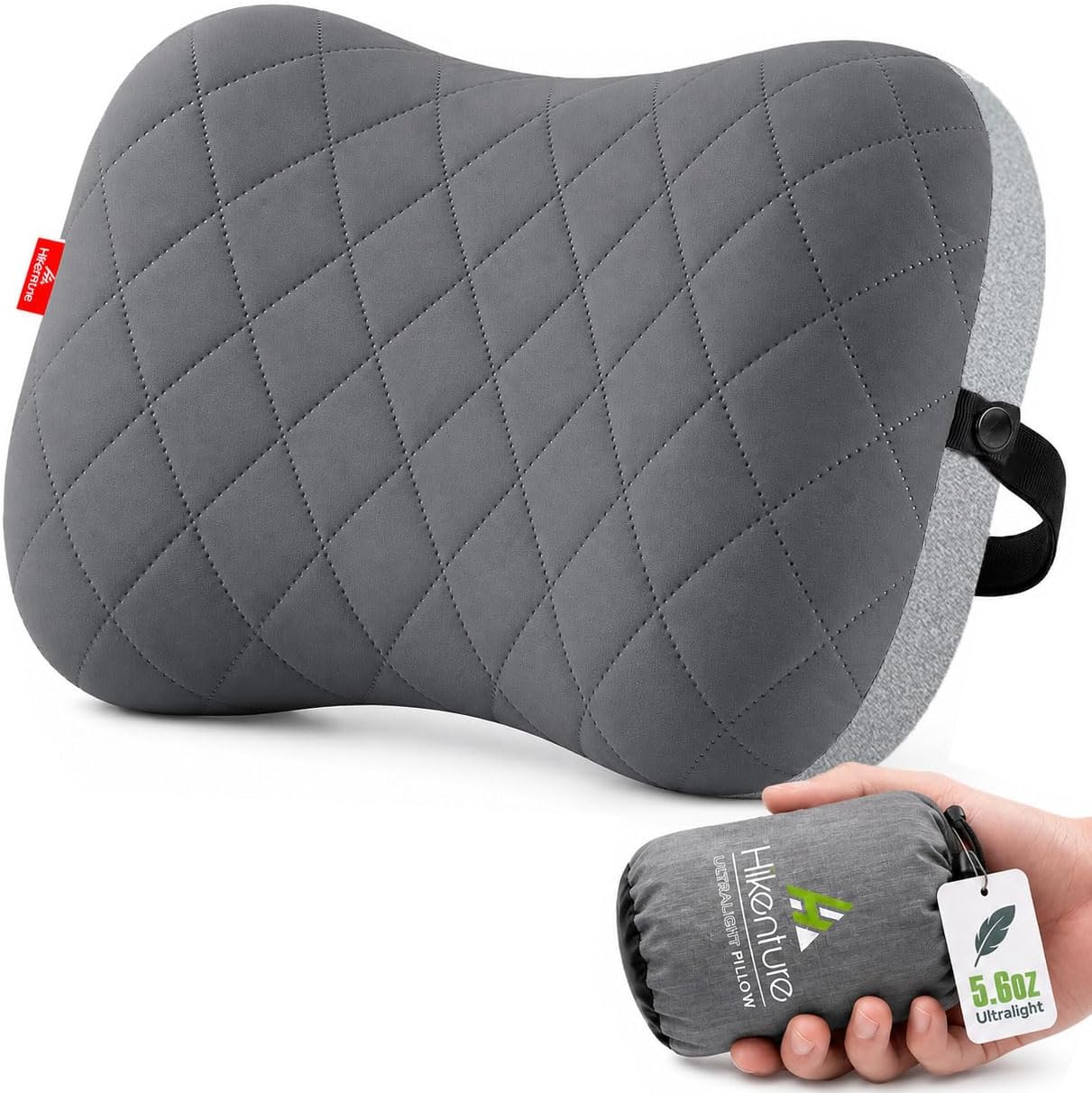
Your sleeping bag may come with a hood that does not hold a pillow well; most summer sleepers prefer a small camping pillow with its own strap that you can compress into the same stuff sack as the bag. If you sleep on a camping cot, you may not need as much pad insulation, but you still want a pillow that does not slide off the cot surface.
Liners and bag compatibility
If you intend to use a liner inside a regular bag, check that the liner is long enough and made of a smooth fabric so it does not bunch up at the footbox. For hot nights, use the liner alone instead of the bag; for cold nights, put the liner inside the bag and zip both up. The liner also keeps the bag cleaner, which reduces how often you need to wash the bag itself.
Common buying mistakes
- Buying too much warmth. A bag rated for cool mountain nights will feel miserable in humid lows. Choose a summer-specific model or a quilt, and remember you can add layers, but you cannot easily shed insulation.
- Skipping the pad. Even the lightest summer bag feels different when you are lying on cold ground. Buy the bag and pad as one system.
- Ignoring the zipper. A short or one-way zipper limits venting. Make sure the main zipper runs long enough to open the footbox or unzip the bag flat.
- Forgetting washability. Warm-weather gear gets dirty faster. If a bag cannot be machine washed on a gentle cycle, be ready to wash it by hand or choose a synthetic model that is easier to clean.
Care, cleaning and upkeep
Summer gear needs washing more often than a winter bag because sweat, sunscreen, bug repellent and body oils build up quickly in warm weather. A dirty bag also loses breathability, so keep up with regular care.
Washing a summer bag or quilt
Use a front-loading machine with a gentle cycle and a soap made for technical fabrics, or wash by hand in a tub. Do not use fabric softeners or dryer sheets; they coat the fibers and reduce breathability. Rinse thoroughly and dry on low heat with a few clean dryer balls to fluff the fill, or air dry flat. Always follow the manufacturer’s instructions, because some down bags have special care requirements.
Dealing with synthetic fill
Synthetic bags can usually handle the gentle cycle and low-heat drying, making them simpler for regular summer washing. If you notice a sour smell, wash promptly rather than waiting until the end of the season. Hang the bag loosely to dry on a clothesline if the label allows, and avoid leaving a wet bag in direct sun for long periods.
Storing summer gear
Do not store any sleeping bag compressed in its stuff sack for long stretches of time. Use a large cotton or mesh storage sack, or hang the bag loosely, so the fill keeps its loft. Wash and fully dry the gear before putting it away, and keep it in a dry, protected spot such as a closet shelf.
Keeping liners fresh
Liners are the easiest piece to wash because they are thin and dry quickly. Wash them after each trip, or at least air them out each morning by hanging them over a line. A fresh liner makes a warm night feel like a hotel bed and keeps your bag from absorbing skin oils.
FAQ
Can you use a liner alone instead of a sleeping bag?
Yes, on warm nights a liner alone is a practical option, provided you have a pad and pillow for comfort. Liners are thin, so if the temperature drops, add a bag with the liner inside it.
Do you still need a sleeping pad in summer?
Yes. The ground draws heat from your body at any time of year, and a pad gives cushioning for sore hips. A lighter summer pad is fine, but the pad should stay part of the system.
Is synthetic fill better than down for summer?
For humid weather, synthetic fill is usually the better choice because it keeps some insulation when damp and dries fast. Down packs smaller and weighs less, but it loses loft when wet and takes longer to dry.
How do you vent a sleeping bag on a hot night?
Use a full-length two-way zipper to open the footbox, unzip the side a few inches, or flatten the bag over you like a blanket. If the bag has no zipper or a short one, consider a quilt so you can push the cover aside when you are too warm.
Summer sleep systems are all about balance: enough warmth for the coolest hour before sunrise, enough ventilation for the hottest part of the night, and a pad that keeps you comfortable from dusk to dawn. Start by thinking about the climate you camp in, your preferred sleeping position, and how much you want to carry, and you will end up with gear that makes warm nights feel effortless.