By Audrey Hayes
Updated November 2026
Choosing a thermarest basecamp sleeping pad comes down to three things: how much room you need to sleep, how well the pad insulates you from the ground, and how much you want to carry or set up. This guide compares four self-inflating pads from the Therm-a-Rest line and one closely matched alternative, judged on sleeping dimensions, construction, the type of trip each one suits, and the patterns owners tend to mention in their feedback. Nothing here comes from personal testing; it is based on manufacturer specifications and the common themes in owner reviews.
Our top picks at a glance
- 1
 TOP CHOICEBest overallTherm-a-Rest Basecamp Self-Inflating Foam Camping Sleeping Pad, Regular – 20 x 72 InchesView on Amazon
- 2
 Best for large sleepersTherm-a-Rest LuxuryMap Self-Inflating Foam Camping Sleeping Pad, X-Large – 30 x 77 InchesView on Amazon
- 3
 Best for wide sleeping setupsTherm-a-Rest MondoKing 3D Self-Inflating Camping Sleeping Pad, XX-Large – 80 x 30 InchesView on Amazon
- 4
 Best budget pickOGERY Self-Inflating Sleeping Pad, 3" Memory Foam Camping MattressView on Amazon
Our Top Picks
Quick Comparison
| Product | Best for | Key feature |
|---|---|---|
| Therm-a-Rest Basecamp Regular (20 x 72 in) | Average-height sleepers on tent or car camping trips | Classic self-inflating foam core in a standard footprint |
| Therm-a-Rest LuxuryMap X-Large (30 x 77 in) | Larger sleepers and those who want extra shoulder room | Wide 30-inch width for more sleeping area |
| Therm-a-Rest MondoKing 3D XX-Large (80 x 30 in) | Wide sleeping setups, couples and cot-style comfort | Extra-long, extra-wide dimensions with a 3D-contoured surface |
| OGERY Self-Inflating Sleeping Pad, 3″ Memory Foam | Budget-minded campers who want built-in pumping and a thick profile | Built-in foot pump and 3-inch memory foam layer |
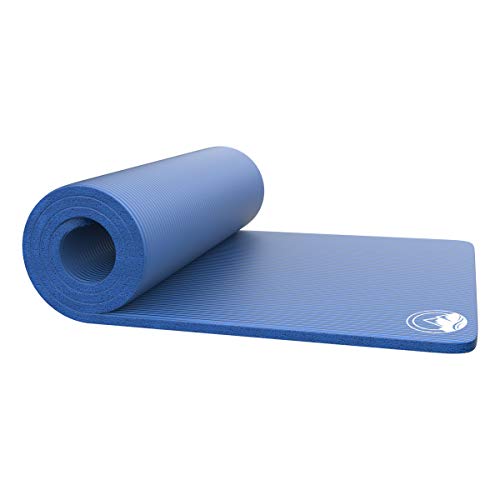
Therm-a-Rest Basecamp Self-Inflating Foam Camping Sleeping Pad, Regular – 20 x 72 Inches
Therm-a-Rest Basecamp Self-Inflating Foam Camping Sleeping Pad, Regular – 20 x 72 Inches
Best for: Average-height sleepers who want a dependable, all-around self-inflating pad for tent and car camping.
This is the most straightforward option in the group. Its 72-inch length suits most adults under about six feet, and the 20-inch width is a common standard for solo camping. It is a practical everyday pad for people who sleep in one position and do not need a lot of extra room.
Key specs
- Dimensions: 20 x 72 inches (Regular)
- Type: Self-inflating with open-cell foam core
- Designed for car and tent camping
Pros
- Standard footprint packs into most tent vestibules and car cargo spaces
- Self-inflating foam fills quickly with the valve opened
- Brand has a long track record with recreational campers
Cons
- Narrower width may feel tight for side sleepers or restless sleepers
- Not the best choice for taller sleepers who need more length
Bottom line: A sensible default for solo campers of average height who want a proven self-inflating pad without paying for extra size.
View on AmazonTherm-a-Rest LuxuryMap Self-Inflating Foam Camping Sleeping Pad, X-Large – 30 x 77 Inches
Therm-a-Rest LuxuryMap Self-Inflating Foam Camping Sleeping Pad, X-Large – 30 x 77 Inches
Best for: Larger sleepers and anyone who finds standard pads too narrow.
The jump from 20 to 30 inches in width makes a noticeable difference for back and side sleepers. The 77-inch length also gives taller campers more room at the feet. It works well for car camping, where pack size is less of a constraint than in backpacking.
Key specs
- Dimensions: 30 x 77 inches (X-Large)
- Type: Self-inflating foam pad
- Intended for car and tent camping
Pros
- Generous width gives room to roll over during the night
- Extra length accommodates taller sleepers
- Self-inflating design reduces setup effort at camp
Cons
- Large footprint takes up more space in a tent or vehicle
- Heavier and bulkier to store than the Regular size
Bottom line: The right pick for taller or broader sleepers who prioritize comfort over packed size.
View on AmazonTherm-a-Rest MondoKing 3D Self-Inflating Camping Sleeping Pad, XX-Large – 80 x 30 Inches
Therm-a-Rest MondoKing 3D Self-Inflating Camping Sleeping Pad, XX-Large – 80 x 30 Inches
Best for: Wide sleeping setups, couples sharing a platform, and campers who want near-bed comfort.
At 80 inches long and 30 inches wide, this is the largest pad in the lineup. It suits campers who sleep in a truck bed, a large tent, or who simply want maximum surface area. The 3D-contoured design is intended to add comfort through the body’s pressure points, though the actual feel will vary by sleeper.
Key specs
- Dimensions: 80 x 30 inches (XX-Large)
- Type: Self-inflating with 3D contoured surface
- Designed for car and tent camping
Pros
- Largest sleeping surface in this comparison
- Extra length suits tall sleepers and pairs well with a cot-style setup
- Contoured surface is intended to improve comfort
Cons
- Very bulky to pack and carry
- Requires a large tent or vehicle footprint to be practical
Bottom line: Best for car campers and couples who have the space to spare and want the most room possible.
View on AmazonOGERY Self-Inflating Sleeping Pad, 3″ Memory Foam Camping Mattress
Built-in Foot Pump, Insulated Foam, Memory Foam, Car Camping, Tent Camping, Backpacking, Compact Storage, 4-Season OGERY Self-Inflating Sleeping Pad, 3" Memory Foam Camping Mattress
Best for: Budget-minded campers who want a thick, pump-assisted pad as an alternative to a brand-name Therm-a-Rest.
This pad takes a different approach, with a 3-inch memory foam layer and a built-in foot pump. It is marketed as a four-season option for car, tent and backpacking use. Owners generally describe it as comfortable for a broad range of sleepers, though its insulation and long-term durability are less established than the Therm-a-Rest line, so check the listing for current specifications.
Key specs
- Thickness: 3 inches memory foam
- Built-in foot pump for inflation
- Marketed for car, tent and backpacking camping
Pros
- Built-in foot pump removes the need for a separate inflator
- Thick profile adds cushioning for side sleepers
- Lower-cost alternative for occasional campers
Cons
- Less established track record than Therm-a-Rest
- Thicker, heavier build makes it less suitable for backpacking routes
Bottom line: A reasonable choice for occasional campers who value a thick, built-in-pump design and are comfortable with a less familiar brand.
View on AmazonBuying Guide
Pad Dimensions and Sleeper Size
Measure your height and sleeping position before buying. Regular pads at about 72 inches long suit most adults up to roughly six feet. Side sleepers and restless sleepers generally benefit from a width of 30 inches or more. Make sure the pad also fits inside your tent or vehicle when laid flat.
Good picks for this: Therm-a-Rest LuxuryMap X-Large, Therm-a-Rest Basecamp Regular
Self-Inflating Construction
Self-inflating pads use an open-cell foam core that draws in air when the valve is opened. Most owners report they fill to a usable firmness with a few final breaths, which reduces setup effort at camp. Check whether the valve is easy to open and close with cold hands.
Good picks for this: Therm-a-Rest Basecamp Regular, OGERY Self-Inflating Sleeping Pad
Insulation and Thermal Rating
Insulation depends on the pad’s R-value, which measures resistance to heat loss through the ground. Higher numbers suit colder conditions. Check the manufacturer’s published R-value for any model you are considering, since it is the most reliable way to compare warmth. For a deeper explanation, see Sleeping Pad R-Value Explained: How Much Insulation You Need.
Good picks for this: Therm-a-Rest MondoKing 3D XX-Large, OGERY Self-Inflating Sleeping Pad
Thickness and Comfort
Thicker pads generally feel more cushioned, especially on hard ground. A 3-inch profile is noticeably softer than a thinner pad, but it also raises the sleeper’s height and can affect stability in a tent. Consider how much cushioning you need and whether you sleep on your side.
Good picks for this: OGERY Self-Inflating Sleeping Pad, Therm-a-Rest LuxuryMap X-Large
Packed Size and Weight
Larger pads pack into a bigger bundle and weigh more. For car camping this is rarely a problem, but for hiking it matters. If you plan to carry your pad on foot, a smaller footprint is worth the tradeoff in width. Compare the packed dimensions listed by the manufacturer before committing.
Good picks for this: Therm-a-Rest Basecamp Regular
Durability and Puncture Resistance
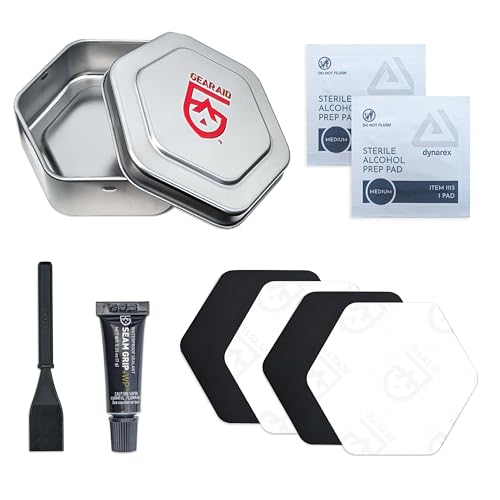
Owners often note that the outer fabric and valve are the most common failure points on self-inflating pads. Carry a repair kit and store the pad unrolled and dry. For leak diagnosis and repair steps, see How to Find and Patch a Leak in an Air Sleeping Pad.
Good picks for this: Therm-a-Rest Basecamp Regular, Therm-a-Rest MondoKing 3D XX-Large 5 Best 2 Person Camping Sleeping Pads for Couples (2026) goes further into this.
Care and Storage
Store self-inflating pads with the valve open and the pad partly rolled, not compressed in a stuff sack for long periods, to preserve foam loft. Clean with mild soap and water and let it dry fully before packing. Keeping the pad dry prevents mildew in the foam core.
Good picks for this: OGERY Self-Inflating Sleeping Pad, Therm-a-Rest LuxuryMap X-Large
FAQ
Which size should I choose: Regular or X-Large?
If you are under about six feet and sleep on your back, the Regular size is usually enough. If you are taller, a side sleeper, or want more room to move, the X-Large gives noticeably more width and length.
Are self-inflating pads warm enough for winter?
Warmth depends on the R-value, not the design alone. Check the manufacturer’s published R-value and match it to the coldest temperatures you expect. Consult a professional outfitter or a reliable guide for winter-specific advice.
How do I inflate a self-inflating pad?
Open the valve and let the foam draw in air. Once it stops expanding, close the valve and add a few breaths to reach your preferred firmness. Avoid overinflating, which can strain seams.
Can I use a self-inflating pad for backpacking?
Possibly, but the larger models in this list are bulky for carrying on foot. For backpacking, look at a lighter, smaller pad. See 7 Best Hiking Sleeping Pads for Backpacking Trips (2026) for options suited to that use.
Does the built-in pump on the OGERY pad replace a separate inflator?
According to the listing, the built-in foot pump is designed to inflate the pad without a separate inflator. Read the product instructions to confirm how it works before your trip.
How do I clean and store my sleeping pad?
Wipe the surface with mild soap and water, rinse lightly, and air-dry completely. Store the pad with the valve open and loosely rolled to protect the foam.
Is a thicker pad always more comfortable?
Not always. Thickness adds cushioning, but it can make the pad less stable and taller in a tent. Choose based on your sleeping position and the surface you will camp on.
Conclusion
For most campers, the Therm-a-Rest Basecamp Regular is a dependable starting point, particularly for solo trips by people of average height. Larger sleepers should look at the LuxuryMap X-Large, and those who want the most room, or who sleep with a partner, will find the MondoKing 3D XX-Large gives the most surface area. The OGERY pad suits budget-minded campers who want a thick profile and a built-in pump, with the understanding that it is less established than the Therm-a-Rest line. Match the pad to your sleeper size, your vehicle or tent space, and the temperatures you expect.
Sources
- General guidance on insulation and thermal resistance concepts (energy.gov)
- Consumer safety information on product use and recalls (cpsc.gov)
- Outdoor camping guidance and campsite considerations (nps.gov)
Before you buy: helpful guides
- Is It Tips for Using Self Inflating Sleeping Pad? 6 Practical Tips
- Sleeping Pad R-Values (2026): Which Is Better for Winter Camping?
- Best Sleeping Pad for Side Sleepers: What to Look For (2026)
- Nemo Tensor All-season Ultralight Insulated Sleeping Pad: A Practical Guide (2026)
- Is a Zero Degrees Sleeping Bag Warm Enough? What to Know
About Audrey Hayes
Audrey Hayes is part of our editorial team and reviews and edits our camping equipment guides, checking product details against manufacturer specifications and owner feedback.