By Audrey Hayes
Updated November 2026
The NeoAir XTherm NXT sleeping pad is a high-insulation inflatable pad built for cold-weather camping, and this guide explains what its specs mean in practice. You will learn how to read its R-value, weight and dimensions, how to match it to your season and body size, and how to inflate, store and care for it. By the end, you should be able to decide whether this pad fits your trips or whether a lighter or less insulated model makes more sense.
What the NeoAir XTherm NXT Is Designed For
The XTherm NXT belongs to the high-end, winter-rated category of air pads. Manufacturers position it for cold-weather backpacking, mountaineering and shoulder-season camping where ground heat loss is the main threat to a good night’s sleep. Its design centers on insulation rather than cushioning alone, so it is not a budget pick for summer car camping. If you mostly camp in warm months on soft ground, a lighter pad will usually serve you better.
Shopping for one? See our guide: 3 Best Therm a Rest Neoair Xtherm Nxt Sleeping Pads (2026): Our Picks.
Key Specs to Check Before You Buy
Most of the decision comes down to a handful of numbers. Check them against the manufacturer’s current listing, since specs can change between model revisions.
- R-value: A measure of thermal resistance. Higher numbers mean better insulation from the ground. The XTherm NXT is marketed as a very high R-value pad, which is why it is rated for cold conditions.
- Thickness: Manufacturers typically list loft (thickness) in inches. Thicker pads usually feel more comfortable for side sleepers.
- Packed weight: Listed in ounces or grams. Insulated pads weigh more than uninsulated ones, and this matters on long hikes.
- Packed size: Relevant if you carry the pad inside a pack rather than strapped to the outside.
- Dimensions: Length and width, usually given in regular and wide or long sizes. Confirm the size matches your height and shoulder width.
- Inflation method: Most NeoAir pads use a valve system that accepts breath or a pump, so check whether you plan to use a pump or your lungs.
How to Match the Pad to Your Season and Trip
Choosing the right insulation level is the most important step. A pad that is too warm for a summer trip will feel stuffy, while a pad that is too light for winter will leave you cold regardless of your sleeping bag. Use the steps below to narrow your choice.
Step 1: Identify Your Lowest Expected Temperature
Look at the coldest overnight low you expect on the trip, not the daytime high. Add a buffer of about 10°F to account for wind, exposed sites and cold ground in the early hours.
Step 2: Compare Against R-Value Guidance
For a general rule, three-season pads are often used for conditions in the 20s to 40s°F, while winter-rated pads with high R-values suit colder nights. The XTherm NXT sits at the high end of that range. Read more about how to translate numbers into real conditions in our guide to Sleeping Pad R-Value Explained: How Much Insulation You Need. If you are comparing several winter options, Sleeping Pad R-Values (2026): Which Is Better for Winter Camping? lays out the tradeoffs side by side.
Step 3: Weigh Comfort Against Carry Weight
If you backpack long distances, the extra weight of an insulated pad adds up. If you camp at base sites or ride a vehicle to trailheads, weight matters less and warmth matters more. Our overview of Best Sleeping Pads for Camping shows how different pad types balance these factors.
Sizing and Body Fit
A pad that is too short leaves your feet off the end, and a narrow pad lets cold air reach your hips and shoulders as you roll. Measure your height and shoulder width, then compare to the listed dimensions. Side sleepers usually benefit from a wider or thicker pad. If you tend to shift a lot, look at the pad’s width carefully, because shifting off a narrow pad is a common source of cold spots.
Inflating, Deflating and Storing the Pad
Good habits extend the life of any air pad. Follow these steps each time you use it.
- Unroll the pad on a flat surface and let it sit for a few minutes to reach its natural loft.
- Open the valve fully and let air flow in. Close the valve before topping up.
- Inflate by mouth or pump to firm, then let it settle. Avoid overinflating, which can strain seams.
- To deflate, open the valve and roll the pad from the far end toward the valve, pressing out air.
- Store the pad loosely rolled or unrolled in a dry place, away from heat and sharp objects.
Common Mistakes
- Choosing by R-value alone without checking thickness, width and weight.
- Setting up on rough ground without a footprint or groundsheet, which increases the chance of punctures.
- Overinflating in warm weather, since air expands and can strain the seams.
- Rolling the pad tightly while damp, which encourages mildew.
- Assuming a high-R pad will keep you warm if your sleeping bag is underrated.
Tips for Getting the Most From the Pad
- Pair the pad with a sleeping bag rated for your expected low, and consider a liner for extra warmth.
- Carry a small repair kit. Our guide on How to Find and Patch a Leak in an Air Sleeping Pad covers the process step by step.
- Test the pad at home for a night before a long trip to confirm fit and comfort.
- Keep the pad clean and dry, and wipe off grit before deflating.
Recommended gear
These accessories are commonly used with insulated air pads and help with setup and comfort.
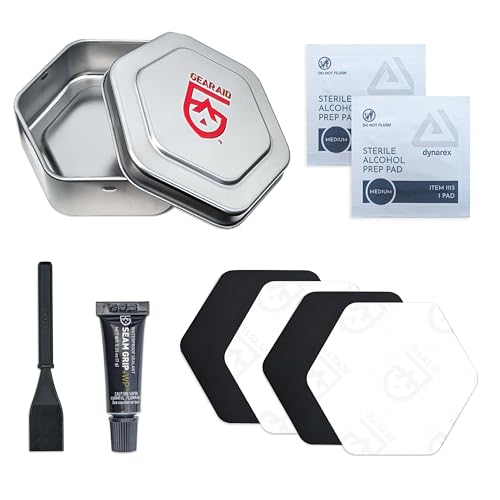
- Repair patch kit: A small adhesive patch kit makes it easy to fix a slow leak in the field. View on Amazon
- Foot pump or inflation sack: Reduces the effort of inflating and keeps moisture from your breath out of the valve. View on Amazon
- Footprint or groundsheet: Protects the pad’s base from sharp rocks, roots and abrasive ground. View on Amazon
FAQ
Is the NeoAir XTherm NXT good for winter camping?
It is designed for cold conditions and is marketed with a high R-value, so it suits winter and shoulder-season trips. Pair it with a sleeping bag rated for your expected low temperature.
How do I know if the pad is the right length?
Compare your height to the listed length. Many campers choose a length that puts their head and feet fully on the pad, with a small margin for movement.
Can I use a pump with this pad?
Most NeoAir pads accept a pump or breath inflation. Check the manufacturer’s instructions for the valve type and any recommended pump.
How should I clean the pad?
Wipe the surface with a damp cloth and mild soap if needed, then air dry fully before storing. Avoid harsh chemicals that can damage the coating.
Is it heavy for backpacking?
Insulated pads weigh more than uninsulated ones. Check the packed weight against your load plan, and weigh it on a home scale if the listed figure matters for your trip.
What if the pad loses air overnight?
A slow leak is often a valve or seam issue or a small puncture. Check the valve seal first, then use soapy water to locate leaks, following the steps in our leak-repair guide.
Should I use a sleeping pad liner?
A liner adds a small amount of warmth and keeps the pad cleaner. It is optional but useful on multi-night trips.
Where can I confirm current specs and availability?
Check the manufacturer’s official product page for current R-value, weight and dimensions, since these can change between versions. For sizing questions, contact the manufacturer directly.
Conclusion
The NeoAir XTherm NXT is a high-insulation pad suited to cold-weather camping, and its value depends on matching its R-value, size and weight to your trip. Start by identifying your expected low temperature, then compare the listed specs against your body size and carry plan. With proper inflation, storage and a repair kit, the pad can serve you well across many seasons.
Ready to choose one?
About Audrey Hayes
Audrey Hayes is part of our editorial team and reviews and edits our camping equipment guides, checking product details against manufacturer specifications and owner feedback.