
 By Audrey Hayes
Updated November 2026
Choosing the best hiking sleeping pad comes down to three things: how warm it keeps you, how much it weighs in your pack, and whether you can actually sleep on it. A pad that looks good on paper but leaves you cold or sore after a long day on the trail is a poor trade. This guide compares seven pads that suit a range of hiking styles, from fast overnight trips to multi-day backcountry routes. Our selection criteria focus on manufacturer-specified insulation ratings, packed weight and size, construction type, and patterns in owner feedback about durability and comfort.
Our top picks at a glance
- 1
 TOP CHOICEBest overallTherm-a-Rest Z Lite Original Camping and Backpacking Sleeping PadView on Amazon
- 2
 TOP CHOICEBest for budget hikersFUN PAC Camping Sleeping Pad, Ultralight Camping Mat with PillowView on Amazon
- 3
 TOP CHOICEBest for rough terrain and puncturesFoam Camping Pads for Sleeping, Foldable Closed Cell Foam Camping MattressView on Amazon
- 4
 Best for cold-weather tripsGear Doctors® ApolloAir 5.2 R-Value [22oz] Ultralight Insulated InflatView on Amazon
- 5
 Best for weight-conscious thru-hikersGear Doctors Ether 17.5oz Ultralight Camping Sleeping PadView on Amazon
- 6
 Best for convenienceWANNTS Sleeping Pad, Ultralight Inflatable Sleeping Pad for Camping, Built-in PumpView on Amazon
- 7
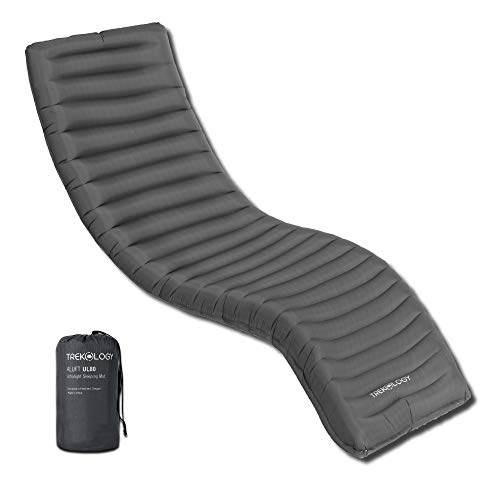 Best for minimalist backpackingTREKOLOGY Ultralight Backpacking Sleeping Pad, Inflatable Camping MatView on Amazon
Our Top Picks
| Product | Best for | Key feature |
|---|---|---|
| Therm-a-Rest Z Lite Original | All-around trail use | Closed-cell foam construction |
| FUN PAC Camping Sleeping Pad | Budget hikers | Built-in foot pump and pillow |
| Foam Camping Pads for Sleeping | Rough terrain | Puncture-proof closed-cell foam |
| Gear Doctors ApolloAir 5.2 | Cold-weather trips | Insulated inflatable design |
| Gear Doctors Ether 17.5oz | Weight-conscious hikers | Ultralight packed weight |
| WANNTS Sleeping Pad | Convenience | Built-in pump and repair kit |
| TREKOLOGY Ultralight Backpacking Sleeping Pad | Minimalist backpacking | Compact blow-up design |
Therm-a-Rest Z Lite Original Camping and Backpacking Sleeping Pad
Therm-a-Rest Z Lite Original Camping and Backpacking Sleeping Pad | Ultralight, durable trail comfort with Z Lite Sleeping Pad
Best for: All-around trail use
This is a closed-cell foam pad aimed at hikers who want dependable comfort without worrying about punctures. It suits three-season trips where the ground is uneven and the pack needs to stay simple.
Key specs
- Closed-cell foam construction
- Designed for camping and backpacking use
- Compact foldable format
Pros
- No inflation or leak risk
- Consistent insulation regardless of altitude or temperature changes
- Durable enough for repeated trail use
Cons
- Bulkier than inflatable options when packed
- Less cushioning for side sleepers
Bottom line: A strong choice for hikers who value reliability and do not mind carrying a little extra bulk.
View on AmazonFUN PAC Camping Sleeping Pad, Ultralight Camping Mat with Pillow
FUN PAC Camping Sleeping Pad, Ultralight Camping Mat with Pillow, Built-in Foot Pump Inflatable Sleeping Pads Compact for Camping Backpacking Hiking Traveling Tent,Single,Green
Best for: Budget hikers
This inflatable pad includes a built-in foot pump and pillow, making it a practical entry point for casual hikers who want fewer loose accessories to manage.
Key specs
- Built-in foot pump
- Integrated pillow
- Single-person sizing
Pros
- Pump and pillow are included
- Compact when deflated
- Simple setup for short trips
Cons
- Owners often report it is less insulated than dedicated cold-weather pads
- Inflatable pads require care to avoid punctures
Bottom line: Good for weekend hikers and warm-season trips who want convenience on a budget.
View on AmazonFoam Camping Pads for Sleeping, Foldable Closed Cell Foam Camping Mattress
Foam Camping Pads for Sleeping, Foldable Closed Cell Foam Camping Mattress, Waterproof Outdoor Sleeping Mat for Ultralight Backpacking Thru-Hiking
Best for: Rough terrain and punctures
A foldable closed-cell foam mat suits hikers who regularly camp on rocky or root-heavy ground, where an inflatable pad carries more risk.
Key specs
- Closed-cell foam construction
- Foldable design
- Waterproof surface
Pros
- Cannot go flat from a puncture
- Works as a sit pad during breaks
- Low maintenance
Cons
- Bulkier when packed than inflatable pads
- Less plush for side sleepers
Bottom line: Ideal for thru-hikers and anyone who prioritizes durability over packed size.
View on AmazonGear Doctors ApolloAir 5.2 R-Value [22oz] Ultralight Insulated Inflatable Camping Sleeping Pad
Gear Doctors® ApolloAir 5.2 R-Value [22oz] Ultralight Insulated Inflatable Camping Sleeping Pad — Backpacking Sleeping Pad— Camping Mattress Compact Lightweight for Hiking—Air Mattress for Backpacking
Best for: Cold-weather trips
This insulated inflatable pad is built for hikers who sleep in cooler conditions, including shoulder-season and higher-elevation trips.
Key specs
- Listed weight of 22 oz
- Insulated inflatable construction
- Listed R-value of 5.2
Pros
- Higher insulation than most ultralight pads
- Light for its warmth rating
- Compact packed size
Cons
- Inflatable pads need careful handling around sharp rocks
- Premium cold-weather performance comes with a higher price tier
Bottom line: A good match for hikers who need real warmth without a heavy pad.
View on AmazonGear Doctors Ether 17.5oz Ultralight Camping Sleeping Pad
Gear Doctors® Ether 17.5oz Ultralight Camping Sleeping Pad – Backpacking Air Mattress – Camping Mattress Pad – Compact Inflatable Sleeping Mat for Backpacking, Comfortable Outdoor Hiking, Tent, Travel
Best for: Weight-conscious hikers
At 17.5 ounces as listed, this pad is aimed at hikers counting every gram, especially on long-distance routes where pack weight adds up quickly.
Key specs
- Listed weight of 17.5 oz
- Ultralight inflatable construction
- Compact stuff size
Pros
- Very light for backpacking
- Packs small
- Suits fast-and-light itineraries
Cons
- Thinner pads generally offer less insulation and cushioning
- Requires care to avoid punctures
Bottom line: Best for experienced hikers who accept less padding in exchange for a lighter load.
View on AmazonWANNTS Sleeping Pad, Ultralight Inflatable Sleeping Pad for Camping, Built-in Pump
WANNTS Sleeping Pad, Ultralight Inflatable Sleeping Pad for Camping, Built-in Pump, Ultimate for Camping, Hiking – Airpad, Carry Bag, Repair Kit – Compact & Lightweight Camping Pad(Green)
Best for: Convenience
This inflatable pad bundles a built-in pump, carry bag and repair kit, which appeals to hikers who want everything in one package.
Key specs
- Built-in pump
- Includes carry bag and repair kit
- Lightweight inflatable design
Pros
- Repair kit included
- Easy inflation
- Good for group gear organization
Cons
- Owners often mention pump effort varies with use
- Insulation is modest for cold nights
Bottom line: A convenient pick for three-season hikers who want accessories included.
View on AmazonTREKOLOGY Ultralight Backpacking Sleeping Pad, Inflatable Camping Mat
TREKOLOGY Ultralight Backpacking Sleeping Pad, Inflatable Camping Mat | Lightweight hiking sleep pad, backpacking air mattress for tent, compact blow up camp pad for travel
Best for: Minimalist backpacking
This compact inflatable pad fits hikers who want a streamlined setup and minimal gear for short backpacking trips.
Key specs
- Ultralight inflatable design
- Compact blow-up format
- Designed for backpacking and travel
Pros
- Small packed size
- Simple to use
- Suits tent and hammock-adjacent setups
Cons
- Less insulation for shoulder-season nights
- Thin construction calls for careful site choice
Bottom line: Suited to minimalists on warm, short backpacking trips.
View on AmazonBuying Guide
Insulation and R-value
R-value measures a pad’s resistance to heat flow. Higher numbers mean more insulation. Summer and three-season hikers typically do well with lower values, while cold or high-elevation trips call for higher ratings. Check the manufacturer’s listed R-value rather than guessing from thickness.
Good picks for this: Gear Doctors ApolloAir 5.2 R-Value, Therm-a-Rest Z Lite Original
Weight and packed size
Every ounce counts on a multi-day route. Foam pads are bulkier, while inflatable pads pack smaller. Compare the listed weight and stuff size against how much room you have in your pack.
Good picks for this: Gear Doctors Ether 17.5oz Ultralight Camping Sleeping Pad, TREKOLOGY Ultralight Backpacking Sleeping Pad
Construction type: inflatable versus foam
Inflatable pads offer more comfort per ounce but can puncture. Closed-cell foam pads never go flat but provide less cushioning. Your choice depends on the terrain you cover and how much you value comfort.
Good picks for this: Foam Camping Pads for Sleeping, Therm-a-Rest Z Lite Original
Size and fit
Measure your height and sleeping style. Side sleepers often need a wider or thicker pad, while back sleepers can manage thinner options. Check that the pad length covers you from head to heel with a little margin.
Good picks for this: FUN PAC Camping Sleeping Pad, WANNTS Sleeping Pad
Durability and puncture resistance
Look for tough fabric denier ratings and reinforced corners where the listing provides them. Owners often report that foam pads hold up best on rough ground, while inflatables need a footprint or tent floor underneath.
Good picks for this: Foam Camping Pads for Sleeping, Therm-a-Rest Z Lite Original
Inflation method
Built-in foot pumps and hand pumps reduce effort, while manual inflation gives more control over firmness. Consider how much time you want to spend at camp after a long day.
Good picks for this: WANNTS Sleeping Pad, FUN PAC Camping Sleeping Pad
Care and storage
Dry the pad fully before storing it, keep it away from sharp objects, and avoid compressing it for long periods. Inflatable pads should be stored loosely rolled. Follow the manufacturer’s care instructions for your specific model.
Good picks for this: Gear Doctors ApolloAir 5.2 R-Value, TREKOLOGY Ultralight Backpacking Sleeping Pad
FAQ
What is the best hiking sleeping pad for beginners?
A simple inflatable pad with a built-in pump, such as the FUN PAC or WANNTS models, is a practical starting point. These are easy to set up and cost less to get started with than specialized cold-weather pads.
How much R-value do I need for backpacking?
Three-season hiking often works with moderate R-values, while winter or high-elevation trips call for higher ratings. Check the manufacturer’s listed number and match it to the coldest temperatures you expect.
Are foam pads better than inflatable pads?
Neither is universally better. Foam pads are puncture-proof and reliable, while inflatable pads are more comfortable and pack smaller. Your terrain and comfort priorities should guide the choice.
How do I prevent my sleeping pad from leaking air?
Inspect the valve and seams before each trip, carry a repair kit, and avoid placing the pad directly on sharp rocks or sticks. Deflate slightly in warm weather to prevent overinflation.
Can I use a hiking sleeping pad for car camping?
Yes. Many hiking pads work well for car camping, though heavier or thicker models may offer more comfort if weight is not a concern.
How should I clean my sleeping pad?
Wipe the surface with a damp cloth and mild soap, rinse lightly, and air-dry completely before storing. Avoid harsh detergents and machine washing unless the manufacturer allows it.
Conclusion
For most hikers, the best hiking sleeping pad balances warmth, weight and durability for the trips you actually take. The Therm-a-Rest Z Lite Original suits all-around trail use, while the Gear Doctors ApolloAir 5.2 fits colder nights. Budget-minded hikers may prefer the FUN PAC, and weight-focused backpackers will likely lean toward the Gear Doctors Ether or TREKOLOGY. If you want something you can fully trust on rough ground, consider the closed-cell foam option. For more background, see Sleeping Pad R-Value Explained: How Much Insulation You Need and What R-Value for Sleeping Pad? 3-Season vs Winter Pads (2026).
Sources
- Guidance on cold exposure and staying warm outdoors (cdc.gov)
- Backcountry camping and Leave No Trace principles for campsite selection (nps.gov)
- Product safety information relevant to outdoor equipment (cpsc.gov)
Related reading
- Top 6 Best Camp Sleeping Pad Picks for Every Trip
- Best Sleeping Pads for Camping
- Best Sleeping Pad for Side Sleepers: What to Look For (2026)
About Audrey Hayes
Audrey Hayes is part of our editorial team and reviews and edits our camping equipment guides, checking product details against manufacturer specifications and owner feedback.






