
 By Audrey Hayes
Updated November 2026
Choosing the best sleeping pad for bikepacking comes down to a few trade-offs: how much warmth you need, how small it packs into a frame bag, how much it weighs on a loaded bike, and how well it holds up to rough camps. Bikepackers carry everything they own, so every ounce and cubic inch counts. This guide compares seven pads against those criteria, looking at insulation (R-value), packed size, weight, comfort, durability and inflation method. Specifications come from manufacturer listings and common owner feedback patterns. None of these pads were tested by us; treat the notes as a research summary to help you narrow the field.
Our top picks at a glance
- 1
 TOP CHOICEBest overallSea to Summit Ether Light XR Insulated Sleeping Pad, Tapered – RegularView on Amazon
- 2
 TOP CHOICEBest for cold-weather shoulder seasonsGear Doctors ApolloAir 5.2 R-Value Ultralight Insulated Inflatable Camping Sleeping PadView on Amazon
- 3
 TOP CHOICEBest for side sleepersOramoose 4 Inch Ultralight Sleeping Pad with Foot Pump and PillowView on Amazon
- 4
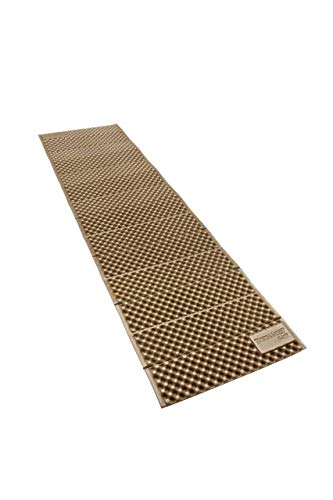 Best for long trail durabilityTherm-a-Rest Z Lite Original Camping and Backpacking Sleeping PadView on Amazon
- 5
 Best for comfort on rough groundCamping Sleeping Pad 6" Thick Non-Slip Faux Suede 4.5 R Sleeping MatView on Amazon
- 6
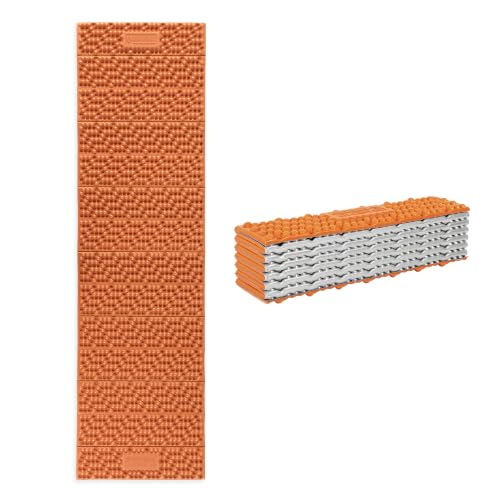 Best for puncture-proof backupNEMO Equipment Switchback Foam Sleeping PadView on Amazon
- 7
 Best budget pickUltralight Foam Sleeping Pad, Waterproof Closed Cell Foam Pad for Superior InsulationView on Amazon
Our Top Picks
| Product | Best for | Key feature |
|---|---|---|
| Sea to Summit Ether Light XR Insulated Sleeping Pad, Tapered – Regular | Best overall | ThermalCore reflective insulation |
| Gear Doctors ApolloAir 5.2 R-Value Ultralight Insulated Inflatable Camping Sleeping Pad | Cold-weather shoulder seasons | 5.2 R-value rating in an ultralight build |
| Oramoose 4 Inch Ultralight Sleeping Pad with Foot Pump and Pillow | Side sleepers | 4-inch loft with built-in foot pump |
| Therm-a-Rest Z Lite Original Camping and Backpacking Sleeping Pad | Long trail durability | Closed-cell foam that does not depend on air |
| Camping Sleeping Pad 6″ Thick Non-Slip Faux Suede 4.5 R Sleeping Mat | Comfort on rough ground | 6-inch thickness with non-slip faux suede top |
| NEMO Equipment Switchback Foam Sleeping Pad | Puncture-proof backup | Closed-cell foam that folds accordion-style |
| Ultralight Foam Sleeping Pad, Waterproof Closed Cell Foam Pad | Budget pick | Waterproof closed-cell foam, compact fold |
Sea to Summit Ether Light XR Insulated Sleeping Pad, Tapered – Regular
Sea to Summit Ether Light XR Insulated Sleeping Pad, Tapered – Regular | Lightweight insulated sleeping pad with ThermalCore reflective insulation delivers plush comfort for backcountry travel
Best for: Best overall
This is a fit for bikepackers who want a balance of warmth, weight and comfort across three-season trips. The tapered shape suits riders who want to save weight at the feet while keeping the torso well insulated.
Key specs:
- Insulation: ThermalCore reflective insulation (per listing)
- Design: Tapered, regular length
- Category: Lightweight insulated backpacking pad
Pros
- Reflective insulation adds warmth without much added bulk
- Tapered shape saves weight and pack space
- Comfortable loft for most sleeping positions
Cons
- Regular length may be short for taller riders
- Premium pricing category, so it is not a budget choice
Bottom line: A strong first choice for riders who want a single pad that works across most three-season bikepacking routes.
View on AmazonGear Doctors ApolloAir 5.2 R-Value Ultralight Insulated Inflatable Camping Sleeping Pad
Gear Doctors® ApolloAir 5.2 R-Value [22oz] Ultralight Insulated Inflatable Camping Sleeping Pad — Backpacking Sleeping Pad— Camping Mattress Compact Lightweight for Hiking—Air Mattress for Backpacking
Best for: Best for cold-weather shoulder seasons
Riders who ride in spring or fall, or who camp at higher elevations, will value the 5.2 R-value rating. It is aimed at people who need more insulation than a thin summer pad provides.
Key specs:
- R-value: 5.2 (per listing)
- Weight: about 22 oz (per listing)
- Type: Inflatable, insulated
Pros
- High R-value for cooler nights
- Light for an insulated inflatable
- Compact when deflated
Cons
- Inflatables need more care to avoid punctures
- Inflation takes more breath or a pump than foam
Bottom line: Good for riders who need real warmth and accept that they will carry a patch kit.
View on AmazonOramoose 4 Inch Ultralight Sleeping Pad with Foot Pump and Pillow
Oramoose 4 Inch Ultralight Sleeping Pad with Foot Pump and Pillow | Compact Water-Resistant Air Mattress for Backpacking, Hiking, Travel, and Camping
Best for: Best for side sleepers
Side sleepers often find thin pads uncomfortable on hips and shoulders. This pad’s 4-inch loft and bundled pillow are aimed at that need, and the foot pump removes some of the effort of inflating at camp.
Key specs:
- Thickness: 4 inches (per listing)
- Includes: foot pump and pillow (per listing)
- Type: Inflatable, water-resistant
Pros
- Generous loft for side sleeping
- Foot pump is useful after a long day
- Pillow included, which saves pack space
Cons
- Thicker pads pack larger than slim options
- Pump adds some weight to the kit
Bottom line: A comfort-first pick for riders who sleep on their sides and do not mind a slightly larger pack footprint.
View on AmazonTherm-a-Rest Z Lite Original Camping and Backpacking Sleeping Pad
Therm-a-Rest Z Lite Original Camping and Backpacking Sleeping Pad | Ultralight, durable trail comfort with Z Lite Sleeping Pad
Best for: Best for long trail durability
Closed-cell foam pads are a long-running choice for riders who worry about punctures. The Z Lite is a well-known example of the type and is frequently recommended for multi-week routes.
Key specs:
- Type: Closed-cell foam, no inflation needed
- Category: Ultralight backpacking pad (per listing)
Pros
- Cannot go flat from a puncture
- Inexpensive to replace if worn
- Works as a seat or sit pad at camp
Cons
- Bulkier when strapped to the outside of a bike
- Less comfortable on hard ground than thicker air pads
Bottom line: Ideal for riders on remote routes where repairs are not an option.
View on AmazonCamping Sleeping Pad 6″ Thick Non-Slip Faux Suede 4.5 R Sleeping Mat
Camping Sleeping Pad 6" Thick Non-Slip Faux Suede 4.5 R Sleeping Mat | 4.5 R Faux Suede-Quiet & Comfort,Non-Slip for Side-Sleep,210D Nylon-Tough, Abrasion-Proof,Connectable Air Mattress Camping
Best for: Best for comfort on rough ground
This pad targets riders who prioritize sleep quality over pack size. The faux suede top is designed to keep sleeping bags from sliding, which helps on sloped or uneven campsites.
Key specs:
- Thickness: 6 inches (per listing)
- R-value: 4.5 (per listing)
- Fabric: 210D nylon (per listing)
Pros
- Thick profile for comfort
- Non-slip top helps stability
- Abrasion-resistant nylon shell
Cons
- Thickness makes it harder to fit in small frame bags
- Heavier than slim ultralight pads
Bottom line: Best for riders with room on the bike who want a cushioned night’s sleep.
View on AmazonNEMO Equipment Switchback Foam Sleeping Pad
NEMO Equipment Switchback Foam Sleeping Pad – Sunset Orange – Regular | Ultralight, Insulated, Packable, Durable, for Backpacking & Mountaineering
Best for: Best for puncture-proof backup
The Switchback is a closed-cell foam pad that folds into a compact accordion shape. It suits riders who want a dependable pad with no inflation risk, and who value a durable backup.
Key specs:
- Type: Closed-cell foam, folding (per listing)
- Category: Insulated, packable, durable (per listing)
Pros
- No punctures or leaks to repair
- Folds down to a simple, easy-to-strap shape
- Good as a backup or for shoulder-season use
Cons
- Less comfortable than air pads for many sleepers
- Bulky when strapped on the outside of a frame
Bottom line: A solid choice for riders who want maximum reliability and accept less plush comfort.
View on AmazonUltralight Foam Sleeping Pad, Waterproof Closed Cell Foam Pad for Superior Insulation
Ultralight Foam Sleeping Pad, Waterproof Closed Cell Foam Pad for Superior Insulation, Folding Sleeping Mat for Compact Storage, Foldable and Portable for Hiking and Camping (Blue)
Best for: Best budget pick
Riders who want a simple, low-maintenance pad without a premium price tag may prefer this waterproof closed-cell foam option. It is also a practical second pad for a group or a bike-touring partner.
Key specs:
- Type: Closed-cell foam, waterproof (per listing)
- Design: Folding (per listing)
Pros
- Waterproof and easy to wipe clean
- No inflation needed
- Foldable for compact storage
Cons
- Less cushioning than inflatable pads
- Foam can feel firm on hard ground
Bottom line: A sensible pick for riders on a budget who prioritize durability and simplicity.
View on AmazonBuying Guide
Insulation and R-value
R-value measures resistance to heat flow through the pad. Higher numbers mean more insulation against cold ground. For summer bikepacking, an R-value in the low single digits is often enough. Shoulder seasons and high-elevation routes typically call for more. The sleeping pad R-value explained guide on this site covers the numbers in more detail.
Good picks for this: Gear Doctors ApolloAir 5.2 R-Value and Sea to Summit Ether Light XR Insulated Sleeping Pad
Packed size and weight
Check the packed dimensions and weight against your frame bag, handlebar roll or seat pack. Every ounce matters on climbs. Compare the listed weight for the size you will buy, since regular and long lengths differ.
Good picks for this: Ultralight Foam Sleeping Pad and Therm-a-Rest Z Lite Original Camping and Backpacking Sleeping Pad
Size and fit
Measure your height and sleep position. Regular lengths often suit riders up to about 5 feet 10 inches. Taller riders should look for long versions or confirm the listed length before buying. Side sleepers usually need more loft than back sleepers.
Good picks for this: Oramoose 4 Inch Ultralight Sleeping Pad and Camping Sleeping Pad 6″ Thick
Inflation method
Inflatable pads offer more comfort per ounce but need more effort and carry puncture risk. Foam pads never go flat but are bulkier. Consider whether you will inflate with your breath, a pump or a built-in foot pump.
Good picks for this: Oramoose 4 Inch Ultralight Sleeping Pad and NEMO Equipment Switchback Foam Sleeping Pad
Durability and puncture resistance
Bikepacking exposes gear to sharp rocks, thorns and rough handling. Look at the fabric denier and whether the pad is closed-cell foam or a sealed inflatable. Owners often report that foam pads survive harsh trips with fewer problems, while inflatables need a repair kit.
Good picks for this: Therm-a-Rest Z Lite Original Camping and Backpacking Sleeping Pad and NEMO Equipment Switchback Foam Sleeping Pad
Comfort and surface
Thicker pads and textured tops improve comfort and stability. A non-slip surface helps keep a sleeping bag in place, especially on sloping ground. Comfort is personal, so consider your sleep habits.
Good picks for this: Camping Sleeping Pad 6″ Thick Non-Slip Faux Suede and Sea to Summit Ether Light XR Insulated Sleeping Pad
Care and storage
Dry the pad completely before packing to avoid mildew. Store it loosely rather than compressed for long periods. Inflatable pads should be checked for leaks before a trip, as explained in the guide on finding and patching leaks in an air sleeping pad.
Good picks for this: Gear Doctors ApolloAir 5.2 R-Value and Ultralight Foam Sleeping Pad
FAQ
What is the best sleeping pad for bikepacking in cold weather?
Look for a higher R-value, ideally above 4, and an insulated design. The Gear Doctors ApolloAir 5.2 R-Value is listed with one of the higher ratings in this group.
Is a foam pad or an inflatable better for bikepacking?
Foam never punctures and is simple to maintain, but it is bulkier. Inflatables are more comfortable and pack smaller, but need repair kits. Your route and risk tolerance should guide the choice.
How thick should a bikepacking sleeping pad be?
Thin pads around 2 inches work for many riders, while side sleepers often prefer 4 inches or more. Thickness also affects packed size, so weigh comfort against space.
How do I keep a sleeping pad from sliding on a tent floor?
Choose a pad with a non-slip top surface, and make sure the pad is centered on the tent floor. Some riders also use a strap or a sleeping bag with a snug fit.
Can I use a sleeping pad as a seat at camp?
Closed-cell foam pads are often used this way because they stay flat and dry. Inflatable pads can be used as seats too, but they may puncture more easily on rough ground.
How do I maintain an inflatable pad on a long tour?
Inflate and check for leaks before each trip, keep a repair kit, and avoid overinflating. Store the pad dry and loosely packed. For a physical or medical safety question about sleep or comfort, consult a professional.
Conclusion
For most riders, the Sea to Summit Ether Light XR Insulated Sleeping Pad is a sensible starting point, balancing warmth, weight and comfort. Riders facing cold shoulder seasons should look at the Gear Doctors ApolloAir 5.2 R-Value. Side sleepers may prefer the Oramoose 4 Inch pad. Those who want zero puncture risk should consider the Therm-a-Rest Z Lite or the NEMO Switchback. The Camping Sleeping Pad 6″ Thick suits riders with bike room to spare, and the Ultralight Foam Sleeping Pad fits a tighter budget. Match the pad to your route temperature, pack space and sleep style.
Sources
- Guidance on sleeping pad insulation and choosing the right size
- Backcountry camping and leave-no-trace guidance for campsites (nps.gov)
- Consumer product safety information for inflatable and foam products (cpsc.gov)
Related reading
- Best Sleeping Pads for Camping
- Sleeping Bag for Bikepacking: 6 Best Picks Compared (2026)
- 7 Best Bikepacking Sleeping Bags for Every Route (2026)
About Audrey Hayes
Audrey Hayes is part of our editorial team and reviews and edits our camping equipment guides, checking product details against manufacturer specifications and owner feedback.



