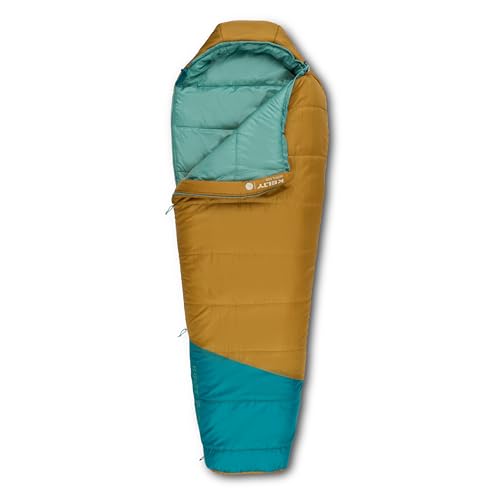
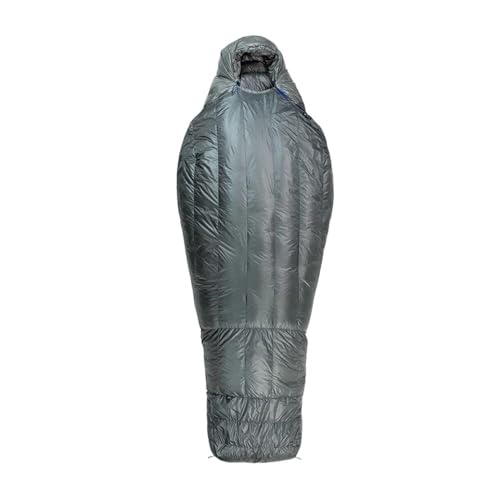
By Audrey Hayes
Updated November 2026
Choosing a light 0 degree sleeping bag means balancing two things that pull against each other: warmth for near-freezing nights and a pack weight you can carry all day. This guide compares six models built around that tradeoff. Our selection criteria were published specifications such as temperature ratings, fill type and fill weight, packed size, and whether the bag includes a compression sack. We also looked at brand reputation and the patterns owners describe in long-term reviews, especially about fit, zipper durability and whether the stated rating feels accurate in real cold. This is a research-based comparison, not a set of personal field tests.
Our top picks at a glance
- 1
 TOP CHOICEBest overallTeton LEEF Lightweight Mummy Sleeping BagView on Amazon
- 2
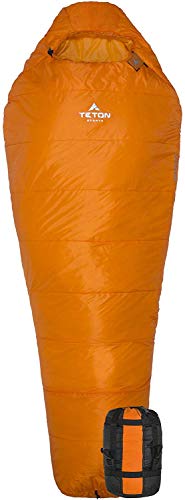 TOP CHOICEBest for dedicated cold-weather campingTeton Altos-S 0 Degree Sleeping BagView on Amazon
- 3
 TOP CHOICEBest for shoulder-season tripsTeton Trailhead 20 Degree Sleeping BagView on Amazon
- 4
 Best for larger campersColeman North Rim 0°F Sleeping BagView on Amazon
- 5
 Best for minimum pack weightQEZER 0 Degree Down Sleeping BagView on Amazon
- 6
 Best for families and mixed useTeton Celsius Regular 0 Degree Sleeping BagView on Amazon
Our Top Picks
Quick Comparison
| Product | Best for | Key feature |
|---|---|---|
| Teton LEEF Lightweight Mummy Sleeping Bag | Overall balance of warmth and weight | Cold-weather option with compression sack included |
| Teton Altos-S 0 Degree Sleeping Bag | Dedicated cold-weather camping | 0-degree rating in a lightweight mummy shape |
| Teton Trailhead 20 Degree Sleeping Bag | Shoulder-season trips | Lighter, warm mummy design for milder nights |
| Coleman North Rim 0°F Sleeping Bag | Larger campers | Big and tall fit with a no-snag zipper |
| QEZER 0 Degree Down Sleeping Bag | Minimum pack weight | 650 fill power down with compact carry |
| Teton Celsius Regular 0 Degree Sleeping Bag | Families and mixed use | All-weather build for adults and kids |
Teton LEEF Lightweight Mummy Sleeping Bag
Teton LEEF Lightweight Mummy Sleeping Bag Perfect for Camping, Hiking, and Backpacking; Cold Weather Option, Compression Sack Included – Black & Sage, 0F
Best for: Overall balance of warmth and weight
This suits campers who want one bag for cold camping and general backpacking without carrying a heavy shell. The listing offers a cold-weather option and includes a compression sack, which helps with packing.
Key specs
- Temperature rating: 0°F (per listing)
- Shape: lightweight mummy
- Includes compression sack
- Colorways: Black and Sage
Pros
- Designed for both camping and backpacking
- Compression sack included for smaller packed size
- Mummy shape keeps warmth close to the body
Cons
- Mummy cut can feel snug for broad-shouldered sleepers
- Heavier than down models in the same rating class
Bottom line: A strong first pick for someone who wants a single 0°F bag that works on weekend trips and longer hikes.
View on AmazonTeton Altos-S 0 Degree Sleeping Bag
Teton Altos-S 0 Degree Sleeping Bag for Adults; Lightweight Warm Mummy Sleeping Bag for Camping, Hiking, Backpacking
Best for: Dedicated cold-weather camping
Built for adults who plan to camp in genuinely cold conditions and still want a bag that packs down reasonably small for a hike in.
Key specs
- Temperature rating: 0 degrees (per listing)
- Shape: mummy
- Designed for adults
Pros
- Rated for near-freezing nights
- Lightweight construction for its rating class
- Suitable for camping, hiking and backpacking
Cons
- Mummy fit is restrictive for side sleepers
- Owners often recommend a liner or sleeping pad with good R-value to get the full rating
Bottom line: Best for campers who know they will face hard frost and want a rated 0-degree bag without a large pack.
View on AmazonTeton Trailhead 20 Degree Sleeping Bag
Teton Trailhead, 20 Degree Sleeping Bag; Lightweight, Warm Mummy Sleeping Bag, Camping, Backpacking, Hiking
Best for: Shoulder-season trips
This model is not a 0-degree bag, but it is included because many buyers of a light 0 degree sleeping bag also need something for spring and fall. It is a lighter, warm mummy option for milder nights.
Key specs
- Temperature rating: 20 degrees (per listing)
- Shape: mummy
- Lightweight construction
Pros
- Lower weight and bulk than a 0-degree bag
- Good match for mild backpacking seasons
- Simple mummy design is easy to pack
Cons
- Not suitable for true 0-degree conditions
- Limited warmth reserve compared with rated cold-weather bags
Bottom line: Pick this if your trips rarely drop below freezing and you want to save weight rather than add warmth.
View on AmazonColeman North Rim 0°F Sleeping Bag
Coleman North Rim 0°F Sleeping Bag, Cold-Weather Mummy Sleep Sack | Large cold-weather sleeping bag with no snag zipper, adjustable hood, big & tall fit, ideal for camping
Best for: Larger campers
Owners who are tall or broad often find standard mummy bags too tight. This model is sized for big and tall sleepers and adds an adjustable hood for heat control.
Key specs
- Temperature rating: 0°F (per listing)
- Shape: mummy, big and tall fit
- Adjustable hood
- No-snag zipper
Pros
- Roomier cut for larger body sizes
- No-snag zipper reduces fabric catches
- Adjustable hood helps retain heat
Cons
- Bulkier and heavier than backpacking-focused models
- Better suited to car camping than long hikes
Bottom line: The right choice for larger campers who value room and comfort over pack weight.
View on AmazonQEZER 0 Degree Down Sleeping Bag
QEZER 0 Degree Down Sleeping Bag for Adults,Cold Weather Backpacking | 36°F-63°F, 3-Season Use, 650 Fill Power Down, Lightweight Compact Carry, Camping Hiking Backpacking
Best for: Minimum pack weight
Down insulation gives a high warmth-to-weight ratio, which is why this bag suits backpackers who count every ounce. The listing describes 650 fill power down and a 3-season use range.
Key specs
- Temperature rating: 0 degrees (per listing)
- Fill: 650 fill power down
- Listed comfort range: 36°F–63°F
- Compact carry design
Pros
- Down offers high loft for its weight
- Compact packed size for backpacking
- Listed for three-season use
Cons
- Down loses insulation when wet and needs careful storage
- Listed comfort range suggests the 0 rating is an extreme limit
Bottom line: A good fit for weight-focused backpackers who keep dry gear and pack a proper pad.
View on AmazonTeton Celsius Regular 0 Degree Sleeping Bag
Teton Celsius Regular, 0 Degree Sleeping Bag, All Weather Bag for Adults and Kids Camping Made Easy and Warm Stuff Sack Included
Best for: Families and mixed use
This bag is marketed as an all-weather option for adults and kids, which makes it useful for households that share gear across different trip types.
Key specs
- Temperature rating: 0 degrees (per listing)
- Regular length
- Stuff sack included
Pros
- Versatile for adults and children
- Stuff sack included for storage
- Suitable for camping in varied conditions
Cons
- Heavier than dedicated backpacking bags
- Regular length may be short for taller users
Bottom line: Best for families who want one 0-degree bag that works for car camping and occasional cold trips.
View on AmazonBuying Guide
Temperature rating and comfort rating
Most manufacturers list a limit rating, a comfort rating and sometimes an extreme rating. The limit rating is roughly the lowest temperature a standard sleeper can survive for a few hours, while the comfort rating is closer to where most people sleep comfortably. A 0-degree bag will feel warm at around 0 only for some sleepers, so read the fine print before assuming it covers your worst night.
Good picks for this: Teton Altos-S 0 Degree Sleeping Bag, Coleman North Rim 0°F Sleeping Bag
Fill type: down versus synthetic
Down compresses smaller and weighs less for the same warmth, but it loses loft when damp. Synthetic fill is heavier and bulkier but keeps some insulation when wet. If your trips involve rain, snow or condensation, synthetic may be the safer choice. Down suits dry, cold trips where weight matters most.
Good picks for this: QEZER 0 Degree Down Sleeping Bag, Teton LEEF Lightweight Mummy Sleeping Bag
Shape and fit
Mummy bags trap more heat around the head and shoulders, which is why they dominate cold-weather designs. Rectangular bags offer more room but lose warmth efficiency. Check whether the bag is sized for your height and shoulder width, and note whether the cut leaves room to turn over.
Good picks for this: Coleman North Rim 0°F Sleeping Bag, Teton Celsius Regular 0 Degree Sleeping Bag
Packed size and weight
Check the listed weight and packed dimensions. For multi-day backpacking, a difference of a pound or more matters over long distances. A compression sack, if included, can shrink packed volume considerably, though it should not be used for long-term storage.
Good picks for this: Teton LEEF Lightweight Mummy Sleeping Bag, Teton Trailhead 20 Degree Sleeping Bag
Zipper and hood design
Look for a zipper that lies flat along the body and a hood with a drawcord you can adjust with gloves on. Snag-resistant zippers reduce frustration over time. Baffles along the zipper edge help prevent cold air entering at the seam.
Good picks for this: Coleman North Rim 0°F Sleeping Bag, Teton Altos-S 0 Degree Sleeping Bag
Durability and care
Store the bag loose or in a large storage sack rather than compressed for long periods, since compression can reduce loft over time. Wash according to the manufacturer’s instructions, and air-dry thoroughly before storing. Owners of down bags often report that regular airing restores loft after trips.
Good picks for this: QEZER 0 Degree Down Sleeping Bag, Teton Celsius Regular 0 Degree Sleeping Bag
Pairing with a sleeping pad
Much of the warmth you feel at night comes from below you, not from the bag. Ground contact pulls heat away from the body. A pad with a sufficient R-value matters as much as the bag rating for cold-weather sleep.
Good picks for this: Teton Altos-S 0 Degree Sleeping Bag, Teton LEEF Lightweight Mummy Sleeping Bag A related read: 7 Best Water Resistant Sleeping Bags for Camping and Backpacking (2026).
FAQ
Is a 0 degree sleeping bag warm enough for winter camping?
It can be, for many people, but it depends on the conditions, your metabolism, your sleeping pad and whether you wear dry base layers. Winter camping in true sub-zero conditions often calls for a bag with an extreme rating well below 0 degrees. For guidance on cold-weather safety, consult an experienced outdoor professional or a local guide service.
What is the difference between a limit rating and a comfort rating?
The limit rating is the lowest temperature at which a typical sleeper may survive, often for a few hours. The comfort rating is the temperature at which most sleepers feel comfortable. For a light 0 degree sleeping bag, plan around the comfort rating if you want a good night’s sleep.
Is down or synthetic better for a 0 degree bag?
Down offers more warmth for less weight and packs smaller, but it performs poorly when wet. Synthetic is heavier but insulates better in damp conditions. Choose based on how dry or wet your trips usually are.
How much does a 0 degree sleeping bag weigh?
Weight varies by fill type, shell fabric and size. Check the listed weight for each model, since manufacturers specify it per product. Down models in this class generally weigh less than synthetic ones.
Can I use a 0 degree bag in summer?
Yes, but it may be too warm. You can unzip it partially or use it as a comforter. Some campers use a liner instead to avoid overheating on mild nights.
Do I need a sleeping pad with a 0 degree bag?
Yes. A pad insulates you from the cold ground, and its R-value affects how warm you stay. A rated bag will underperform if the pad is inadequate.
How should I store a 0 degree sleeping bag?
Store it loosely in a large breathable sack rather than compressed for long periods. Keep it dry and away from heat sources. Owners often report that loft lasts longer with this approach.
Conclusion
For most campers wanting one light 0 degree sleeping bag, the Teton LEEF Lightweight Mummy Sleeping Bag offers a practical balance of warmth, packability and versatility. Dedicated cold-weather campers should look at the Teton Altos-S 0 Degree Sleeping Bag, while larger sleepers may prefer the Coleman North Rim 0°F Sleeping Bag. Weight-focused backpackers can consider the QEZER 0 Degree Down Sleeping Bag, provided they keep it dry. Families who share gear may find the Teton Celsius Regular 0 Degree Sleeping Bag most useful. The Teton Trailhead 20 Degree Sleeping Bag suits milder trips rather than true 0-degree nights.
Sources
- Consumer product safety information relevant to outdoor gear and sleep products (cpsc.gov)
- Guidance on cold-weather preparedness and camping conditions in national park settings (nps.gov)
- Workplace and outdoor cold-stress guidance that helps explain how body temperature is affected overnight (osha.gov)
Related reading
- Is a Zero Degrees Sleeping Bag Warm Enough? What to Know
- Down Sleeping Bag 0 Degree: 3 Best Picks Compared for Cold Camping (2026)
- 6 Best Ultralight 0 Degree Sleeping Bags for Backpacking in 2026
- 5 Best Lightweight Sleeping Bag 0 Degree Options for Cold Camping
- Summer Sleeping Bags, Quilts and Liners
About Audrey Hayes
Audrey Hayes is part of our editorial team and reviews and edits our camping equipment guides, checking product details against manufacturer specifications and owner feedback.