By Audrey Hayes
Updated November 2026
Shopping for a kelty youth sleeping bag means balancing three things: how cold the nights will be, how much room a growing child needs, and how easy the bag is to live with on repeated trips. Kids run hot and cold in unpredictable ways, and a bag that is too large wastes heat while one that is too small is uncomfortable within a season. The picks below were chosen by comparing manufacturer temperature ratings, length and fit information, construction, brand reputation, and the patterns owners tend to mention in feedback. None of these were tested in our own hands; the comparisons rely on published specifications and what buyers commonly report.
Our top picks at a glance
- 1
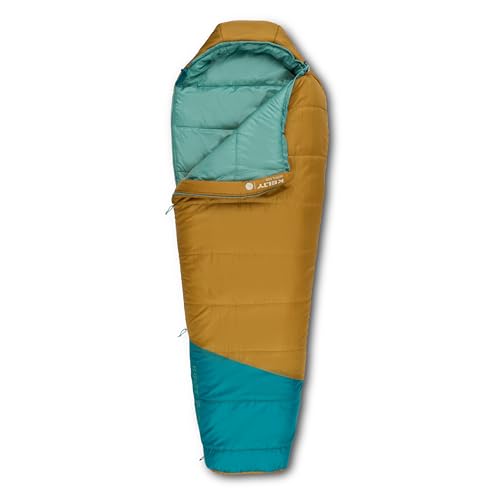 TOP CHOICEBest overallKelty Mistral Kids 20° Degree WoodthrushView on Amazon
- 2
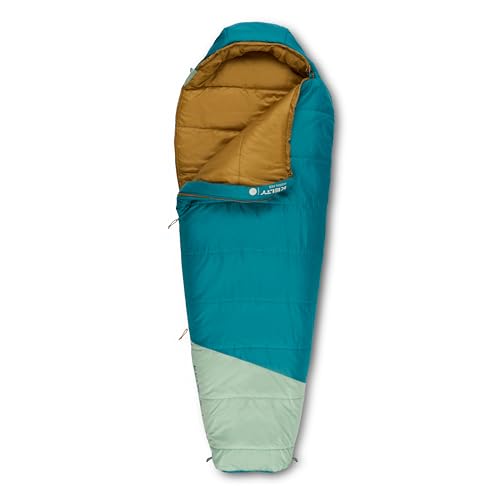 TOP CHOICEBest for warm-weather campingKelty Mistral Kids 30° Degree Deep LakeView on Amazon
- 3
 TOP CHOICEBest for shoulder-season soft shell comfortKelty Callisto Kids 30 Degree Synthetic Insulated Sleeping Bag, Soft SView on Amazon
- 4
 Best for sharing or older kidsKelty Solstice 40F Oversized Sleeping BagView on Amazon
- 5
 Best budget pickColeman Kids 45°F Sleeping BagView on Amazon
- 6
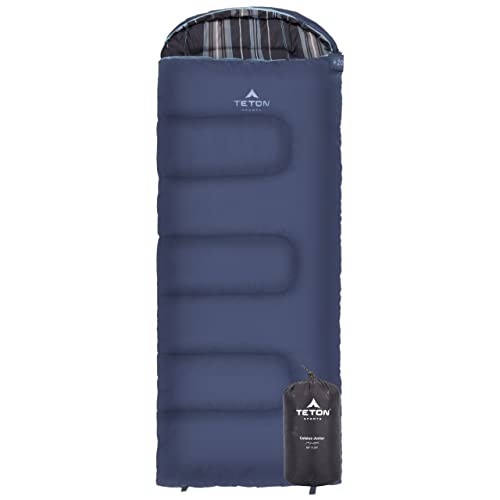 Best for cold-weather versatilityTeton Junior 20 Degree Sleeping BagView on Amazon
Our Top Picks
Quick Comparison
| Product | Best for | Key feature |
|---|---|---|
| Kelty Mistral Kids 20° Degree Woodthrush | Cool nights and all-around family camping | 20°F rated synthetic fill for cold-weather trips |
| Kelty Mistral Kids 30° Degree Deep Lake | Warm-weather camping | 30°F rating suited to summer and mild nights |
| Kelty Callisto Kids 30 Degree Synthetic Insulated Sleeping Bag | Shoulder-season soft shell comfort | Soft shell exterior and included stuff sack |
| Kelty Solstice 40F Oversized Sleeping Bag | Sharing or older, taller kids | Oversized rectangular shape that zips together |
| Coleman Kids 45°F Sleeping Bag | Budget-minded campers and sleepovers | Lightweight design for kids up to 5’5″ |
| Teton Junior 20 Degree Sleeping Bag | Cold-weather versatility | 20°F rating with a sturdy, durable build |
Kelty Mistral Kids 20° Degree Woodthrush
Kelty | Mistral Kids 20° Degree Woodthrush – Comfortable and Warm
Best for: Cool nights and all-around family camping
This is the most cold-capable option in the Mistral kids line and suits children who will sleep in cooler conditions, such as spring and fall trips or higher-elevation campsites. Parents who want one bag that covers most of the year will find the lower temperature rating gives them more margin.
Key specs
- Temperature rating: 20°F (manufacturer-specified)
- Designed for children’s proportions
Pros
- Lower temperature rating gives more warmth margin on cold nights
- Kid-sized cut keeps the bag from carrying excess air volume
- Good fit for a range of trip types
Cons
- Warmth can feel like too much for kids who run hot in summer
- Heavier and bulkier than a summer-rated bag
Bottom line: Pick this if you want one bag for cooler weather and are willing to trade some packability for warmth.
View on AmazonKelty Mistral Kids 30° Degree Deep Lake
Kelty | Mistral Kids 30° Degree Deep Lake – Warm Weather Comfort
Best for: Warm-weather camping
The 30°F rating is better matched to summer campouts, backyard sleepovers and mild nights. Families camping in warmer regions or during the peak of summer may find it more comfortable than the colder-rated model.
Key specs
- Temperature rating: 30°F (manufacturer-specified)
- Kid-sized construction
Pros
- Less bulk and weight than a 20°F rated bag
- Better suited to kids who overheat easily
- Works well for sleepovers and car camping
Cons
- Not intended for near-freezing nights
- Some owners add a liner or blanket for chilly shoulder-season trips
Bottom line: A strong choice for summer and warm-climate families who want a lighter, cooler-sleeping bag.
View on AmazonKelty Callisto Kids 30 Degree Synthetic Insulated Sleeping Bag, Soft Shell, Stuff Sack Included for Boys and Girls
Kelty Callisto Kids 30 Degree Synthetic Insulated Sleeping Bag, Soft Shell, Stuff Sack Included for Boys and Girls
Best for: Shoulder-season soft shell comfort
The soft shell exterior and synthetic fill suit kids who want a cozier feel against the skin. The included stuff sack makes it easy to pack for school trips, scouting outings and car camping.
Key specs
- Temperature rating: 30°F (manufacturer-specified)
- Synthetic insulation
- Soft shell exterior
- Stuff sack included
Pros
- Soft exterior is comfortable for younger kids
- Synthetic fill keeps some insulation when damp
- Stuff sack included for easy packing
Cons
- Synthetic fill is generally bulkier than down
- Not rated for deep-winter conditions
Bottom line: Good for families who want a soft, easy-to-pack bag for mild to moderate nights.
View on AmazonKelty Solstice 40F Oversized Sleeping Bag
Kelty Solstice 40F Degree Oversized Sleeping Bag, 2 Season (Black Forest) | Spacious Rectangular Shape, Zip Together for 2P, Anti-Snag Zips, Internal Pocket, Oversized
Best for: Sharing or older, taller kids
The oversized rectangular shape gives room for taller children and allows two bags to zip together for a shared sleep setup. It is a practical pick for siblings or for kids who have outgrown kid-sized cuts.
Key specs
- Temperature rating: 40°F (manufacturer-specified)
- Oversized rectangular shape
- Zips together with a compatible bag
- Anti-snag zippers and internal pocket
Pros
- Generous room for taller or growing kids
- Can be zipped to a second bag for shared warmth
- Internal pocket keeps small items within reach
Cons
- The 40°F rating is not suited to cold nights
- Large footprint makes it harder to pack
Bottom line: Best for warm-weather trips where space and zip-together flexibility matter more than packed size.
View on AmazonColeman Kids 45°F Sleeping Bag
Coleman Kids 45°F Sleeping Bag, Lightweight Youth Camping Sleep Sack | Designed for kids up to 5'5" tall with cozy 45°F warmth for camping, sleepovers, and outdoor adventures
Best for: Budget-minded campers and sleepovers
This lightweight youth bag is aimed at kids up to about 5’5″ and is suited to mild conditions, sleepovers and first camping experiences. Its higher temperature rating makes it best reserved for warm nights.
Key specs
- Temperature rating: 45°F (manufacturer-specified)
- Designed for children up to 5’5″ tall
- Lightweight construction
Pros
- Light and easy for kids to carry
- Good entry-level choice for first trips
- Works well for indoor sleepovers
Cons
- Not suited to cool or cold nights
- Limited insulation compared with higher-rated bags
Bottom line: A sensible budget pick for warm-weather camping and sleepovers, not for cold conditions.
View on AmazonTeton Junior 20 Degree Sleeping Bag
Teton Junior, 20 Degree Sleeping Bag. Finally, Sleeping Bag for Boys, Girls, All Kids, Warm and Comfortable; for All Camping Weather and Built to Last
Best for: Cold-weather versatility
The 20°F rating gives this bag a wide comfort range, and owners often describe it as a sturdy option for repeated use. It fits families who camp in varied conditions and want one bag that can handle cooler nights.
Key specs
- Temperature rating: 20°F (manufacturer-specified)
- Designed for boys and girls
Pros
- Cold-rated for a wide range of conditions
- Built for repeated use, according to common owner feedback
- Suitable for all-season family camping
Cons
- Bulkier and heavier than summer-rated options
- May run warm for kids in mild weather
Bottom line: Pick this for families who want a durable, cold-capable bag for camping in changeable weather.
View on AmazonBuying Guide
Temperature rating
The temperature rating is the single most useful number on a youth bag. Manufacturers often state a comfort rating, a limit rating and sometimes an extreme rating, so check which one is being quoted. For kids, a comfort rating is the more realistic guide, since children feel cold differently than adults and may not report it. A 20°F bag suits cold nights, 30°F suits mild nights and 40°F or 45°F suits warm conditions.
Good picks for this: Kelty Mistral Kids 20° Degree Woodthrush, Teton Junior 20 Degree Sleeping Bag
Size and fit
A bag that is too large wastes heat because the child has to warm more air. Check the stated height range and compare it to your child’s height. Kid-sized cuts are narrower through the shoulders and hips, which reduces dead space. Older or taller children may need an oversized shape instead.
Good picks for this: Kelty Solstice 40F Oversized Sleeping Bag, Coleman Kids 45°F Sleeping Bag
Insulation type
Synthetic insulation is common in youth bags because it keeps some warmth when damp and is generally less expensive to manufacture than down. It tends to be bulkier when packed. Choose synthetic fill for kids who may get wet or for trips where the bag will be stuffed and unstuffed often.
Good picks for this: Kelty Callisto Kids 30 Degree Synthetic Insulated Sleeping Bag, Teton Junior 20 Degree Sleeping Bag
Use case
Think about where the bag will actually be used. Backyard sleepovers and summer car camping have very different demands from fall campouts at elevation. Matching the bag to the most common use case matters more than chasing an extreme rating.
Good picks for this: Kelty Mistral Kids 30° Degree Deep Lake, Coleman Kids 45°F Sleeping Bag
Durability and zippers
Kids are hard on gear. Look for reinforced stitching, durable shell fabric and zippers that resist snagging. Owners often mention zipper quality as a long-term pain point, so anti-snag zippers and a stuff sack for storage are worth looking for.
Good picks for this: Kelty Solstice 40F Oversized Sleeping Bag, Teton Junior 20 Degree Sleeping Bag
Packability and storage
If the bag will travel to school trips or scouting events, packed size and weight matter. Compression or stuff sacks make a big difference in how easily a child can carry the bag. Heavier insulation and larger shapes take up more room.
Good picks for this: Kelty Callisto Kids 30 Degree Synthetic Insulated Sleeping Bag, Coleman Kids 45°F Sleeping Bag
Care and cleaning
Youth bags get dirty quickly. Check the care label before buying and look for a bag that can be machine washed on a gentle cycle or spot cleaned. Storing the bag loosely rather than compressed helps the insulation recover its loft over time.
Good picks for this: Kelty Mistral Kids 20° Degree Woodthrush, Kelty Mistral Kids 30° Degree Deep Lake
FAQ
What temperature rating does a kid need?
For most camping, a 30°F rated bag covers mild nights, a 20°F rated bag covers cold nights, and a 40°F to 45°F bag suits warm conditions. Choose based on the coldest night you expect rather than the warmest.
Should I buy a kids bag or an adult bag?
A kid-sized bag is usually warmer per pound because it has less empty space to heat. If your child is outgrowing a youth size, an oversized bag can bridge the gap.
Can two kids share a bag?
Some bags, including the Kelty Solstice 40F Oversized Sleeping Bag, are designed to zip together with a compatible second bag, which can be practical for siblings.
Is synthetic insulation better than down for kids?
Synthetic fill keeps more of its insulating ability when wet and is easier to care for, while down packs smaller and is lighter. Many youth bags use synthetic fill for these reasons.
Do I need a sleeping pad with a kids bag?
A pad adds insulation from the ground and often makes a bigger difference to warmth than the bag rating alone. Consider a pad rated for the same season as your bag.
How should I store a youth sleeping bag?
Store it loosely in a large cotton or mesh bag rather than compressed in its stuff sack for long periods. This helps the insulation keep its loft.
Should I check with a doctor before camping with a child in cold weather?
If your child has a health condition or you are camping in extreme cold, consult a pediatrician or medical professional for guidance on safe sleep conditions.
Conclusion
For cold nights and all-around use, the Kelty Mistral Kids 20° Degree Woodthrush and Teton Junior 20 Degree Sleeping Bag give the most warmth margin. For summer and warm-climate camping, the Kelty Mistral Kids 30° Degree Deep Lake or the Coleman Kids 45°F Sleeping Bag are better matched. The Kelty Callisto Kids 30 Degree suits soft-shell comfort and easy packing, while the Kelty Solstice 40F Oversized Sleeping Bag is the choice for taller kids or sharing. Match the temperature rating to your coldest expected night and the size to your child’s height for the best result.
Sources
- Product safety guidance and recalls relevant to children's sleep products (cpsc.gov)
- Pediatric guidance on safe sleep and temperature for children (aap.org)
- Camping and backcountry preparedness for families (nps.gov)
Related reading
- Kelty Cosmic Down 20 Sleeping Bag: Is It Warm Enough, and Who Should Buy It?
- Is the Ridgeway Sleeping Bag by Kelty Warm Enough? Ratings and Fit Explained
- 6 Best Kelty Tru.Comfort Doublewide Sleeping Bag Picks for Two (2026)
- Summer Sleeping Bags, Quilts and Liners
- Sleeping Bag Temperature Ratings Explained: Comfort, Limit and Extreme
About Audrey Hayes
Audrey Hayes is part of our editorial team and reviews and edits our camping equipment guides, checking product details against manufacturer specifications and owner feedback.