By Audrey Hayes
Updated November 2026
Choosing a stone glacier sleeping bag comes down to three things: the temperature range you expect to camp in, the body size and sleeping style of the person using it, and how much you plan to carry. This list compares six sleeping bags that appear in the Amazon US listings for this search, grouped by the need each one fits best. Manufacturers’ stated temperature ratings, fill type, shell fabric and listed fit were the main criteria, along with patterns that owners commonly describe in feedback. None of the products below were tested by the author, and specifications should be confirmed on the listing before you buy.
Our top picks at a glance
- 1
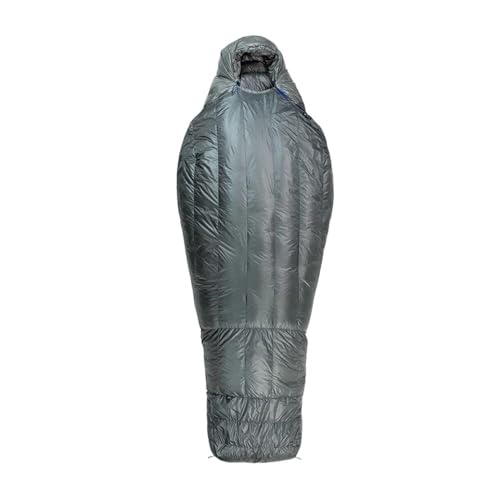 TOP CHOICEBest overallStone Glacier Chilkoot 0 Sleeping Bag Granite Grey One Size Fits MostView on Amazon
- 2
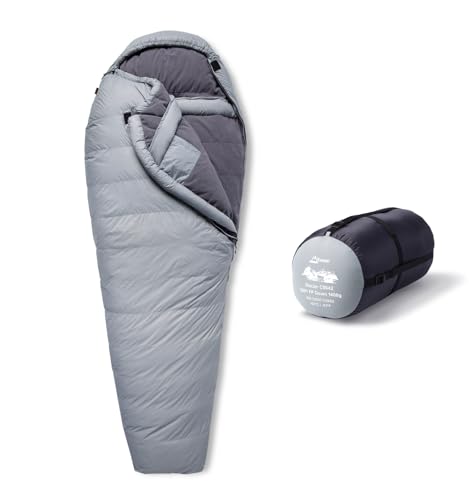 TOP CHOICEBest for extreme coldLitume Glacier Sleeping Bag -43°F/-42°C Extreme Cold Expedition-Grade MummyView on Amazon
- 3
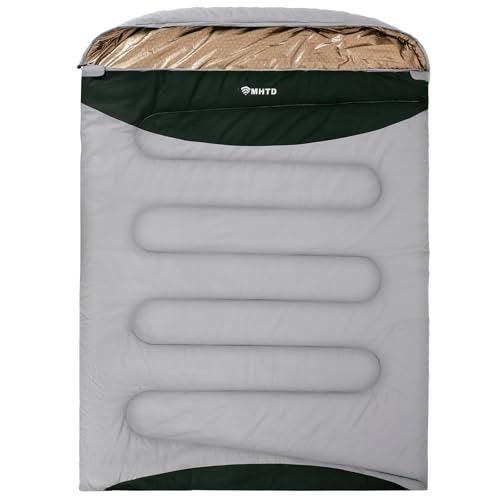 TOP CHOICEBest for couplesCotton Canvas Double Sleeping Bag for Adults Gray 0 Degrees Two PersonView on Amazon
- 4
 Best for kidsEarth Guru Sleeping Bags for Adults Cold Weather and WarmView on Amazon
- 5
 Best budget pickOneTigris Bushcrafter's Sleeping Bag Mummy Sleeping Bag for CampingView on Amazon
- 6
 Best for lightweight tripsTeton Trailhead 20 Degree Sleeping Bag Lightweight MummyView on Amazon
Our Top Picks
Quick Comparison
| Product | Best for | Key feature |
|---|---|---|
| Stone Glacier Chilkoot 0 Sleeping Bag | Cold-weather camping with a roomy fit | 0-degree rated shell and insulation |
| Litume Glacier Sleeping Bag | Extreme cold and expedition trips | Down fill with a stated -43°F limit |
| Cotton Canvas Double Sleeping Bag | Two-person camping | Wide double layout with a zippered design |
| Earth Guru Sleeping Bag | Kids and smaller adults | Compact, lightweight build |
| OneTigris Bushcrafter’s Sleeping Bag | Budget-minded campers | Mummy cut with a rugged shell |
| Teton Trailhead 20 Degree Sleeping Bag | Backpacking and hiking | 20-degree rating in a light mummy shape |
Stone Glacier Chilkoot 0 Sleeping Bag Granite Grey One Size Fits Most
Stone Glacier Chilkoot 0 Sleeping Bag Granite Grey One Size Fits Most
Best for: Cold-weather camping where a roomy fit matters more than minimum weight.
This bag suits campers who want a 0-degree-rated bag and do not want to feel boxed in. The one-size listing is aimed at a wide range of body sizes, though taller or broader sleepers should check the listed dimensions.
Key specs:
- Listed as a 0-degree bag (Chilkoot 0 model)
- Granite Grey colorway
- One size fits most listing
Pros:
- Clear temperature rating in the model name
- Roomier cut than many mummy-style bags
- Neutral color suits most campsites
Cons:
- Bulkier to pack than lightweight backpacking bags
- Fit can feel loose for smaller sleepers
Bottom line: A strong first choice for a camper who wants a rated cold-weather bag with room to move.
View on AmazonLitume Glacier Sleeping Bag -43°F/-42°C Extreme Cold Expedition-Grade Mummy
Litume Glacier Sleeping Bag -43°F/-42°C Extreme Cold, ISO 23537 Temperature Testing, 800+ Fill Power Down 49oz, Expedition-Grade Mummy Design, Water-Repellent 20D Nylon, for Winter
Best for: Extreme cold and expedition-style trips.
This is the bag for winter campers who expect sub-zero nights. Its listing emphasizes a mummy shape, down fill and a stated extreme-cold limit, so it fits people who plan for severe conditions rather than typical fall nights.
Key specs:
- Listed comfort range down to -43°F / -42°C
- Down fill listed at 49 oz
- Water-repellent 20D nylon shell per listing
Pros:
- Very high stated warmth for the weight class
- Mummy cut limits heat loss around the body
- Water-repellent shell helps in damp conditions
Cons:
- Heavy and bulky for summer or fast-moving trips
- Overkill for mild weather
Bottom line: Best for winter campers who need the highest warmth rating in this list and accept the extra weight.
View on AmazonCotton Canvas Double Sleeping Bag for Adults Gray 0 Degrees Two Person
Cotton Canvas Double Sleeping Bag for Adults 0 Degrees Cold Weather Camping | Gray14°F ~ 46°F SGS Certified Heavy Duty Graphene YKK Zipper Compact Backpacking Two Person Sleeping Bag for All Season
Best for: Two adults who want to share one bag on a cold-weather trip.
Couples and friends who camp together often prefer a double bag to two separate bags. This model is listed for two adults and a 14°F to 46°F range, which makes it useful for shoulder-season trips.
Key specs:
- Two-person layout for adults
- Listed temperature range 14°F to 46°F
- Listing mentions YKK zipper and SGS certification
Pros:
- Shares warmth between two sleepers
- Wide enough for comfortable side-by-side sleeping
- Zipper and certification details are listed clearly
Cons:
- Heavier than solo bags, so less suited to long hikes
- Shared warmth can be uneven if sleepers run hot or cold
Bottom line: A practical choice for couples who car-camp or make short backpacking trips together.
View on AmazonEarth Guru Sleeping Bags for Adults Cold Weather and Warm
Earth Guru Sleeping Bags for Adults Cold Weather & Warm – Backpacking Camping Sleeping Bag for Kids 10-12, Girls, Boys – Lightweight Compact Camping Essentials Gear Accessories Hiking Sleep Must Haves
Best for: Kids and smaller adults on mixed-weather trips.
The listing targets children aged roughly 10 to 12 as well as adults. Its compact, lightweight positioning makes it a sensible pick for smaller sleepers or families who want one bag style for everyone.
Key specs:
- Listed for both adults and kids aged 10 to 12
- Compact, lightweight build per listing
- Marketed for cold and warm conditions
Pros:
- Lightweight and easy to carry for younger campers
- Works for a range of ages in one listing
- Compact packed size suits backpacking
Cons:
- Lower warmth ceiling than dedicated cold-weather bags
- Specific temperature limits are less clearly stated
Bottom line: Good for families and smaller campers on mild-to-moderate trips; check the rating before winter use.
View on AmazonOneTigris Bushcrafter’s Sleeping Bag Mummy Sleeping Bag for Camping
OneTigris Bushcrafter’s Sleeping Bags, Mummy Sleeping Bag for Camping Hiking Backpacking, Survival Gear
Best for: Budget-minded campers who want a mummy-style bag for general camping.
This bag is positioned for camping, hiking and backpacking, with a survival-gear emphasis in the listing. It suits someone building a basic kit without paying for expedition features they will not use.
Key specs:
- Mummy cut per listing
- Marketed for camping, hiking and backpacking
Pros:
- Mummy shape keeps warmth close to the body
- Suits a wide range of general outdoor uses
- Good entry point for new campers
Cons:
- Temperature limits are less specific than rated competitors
- Not designed for extreme cold
Bottom line: A sensible starter option for three-season camping, especially for people on a budget.
View on AmazonTeton Trailhead 20 Degree Sleeping Bag Lightweight Mummy
Teton Trailhead, 20 Degree Sleeping Bag; Lightweight, Warm Mummy Sleeping Bag, Camping, Backpacking, Hiking
Best for: Backpacking and hiking where weight matters.
A 20-degree rating in a lightweight mummy shape makes this bag a common match for fall and spring hiking. Hikers who count every ounce will likely find it a good balance of warmth and carry weight.
Key specs:
- 20-degree rating per model name
- Lightweight mummy design
Pros:
- Clear 20-degree rating for planning
- Light enough for multi-day hikes
- Mummy cut improves warmth-to-weight
Cons:
- Narrow fit may feel tight for broad sleepers
- Not warm enough for true winter camping
Bottom line: Best for three-season backpackers who want a rated bag without a heavy load.
View on AmazonBuying Guide
Temperature Rating
Manufacturers usually list a comfort rating, a limit rating and sometimes an extreme rating. The comfort rating is the temperature at which a typical sleeper stays warm, while the limit is roughly where a cold sleeper can survive the night. Plan around the comfort figure, and add a margin for wind, humidity and a sleeper who runs cold.
Good picks for this: Litume Glacier Sleeping Bag, Stone Glacier Chilkoot 0 Sleeping Bag
Fill Type and Insulation
Down offers high warmth for its weight and packs small, while synthetic fill keeps some insulation when damp. The listing fill weight, such as the 49 oz figure for some Litume models, is a useful way to compare warmth between bags of similar size.
Good picks for this: Litume Glacier Sleeping Bag, Teton Trailhead 20 Degree Sleeping Bag
Size and Fit
A bag that is too tight compresses insulation and loses warmth. A bag that is too large has dead air to heat. Check the listed length and width, and compare them with your height and shoulder width. One-size bags can work well for many people but may not fit very tall or very broad sleepers.
Good picks for this: Stone Glacier Chilkoot 0 Sleeping Bag, Earth Guru Sleeping Bag
Shape: Mummy Versus Rectangular
Mummy bags follow the body and retain more heat, which is why most cold-weather models use this cut. Rectangular bags offer more room and are easier for restless sleepers, but they lose more heat. Choose the shape that matches how you sleep and the temperatures you expect.
Good picks for this: OneTigris Bushcrafter’s Sleeping Bag, Teton Trailhead 20 Degree Sleeping Bag
Packed Size and Weight
If you carry your bag on foot, packed size and weight can matter as much as warmth. Down bags typically compress smaller than synthetic bags of the same rating. Consider a compression sack, and weigh the bag before committing if you plan multi-day hikes.
Good picks for this: Teton Trailhead 20 Degree Sleeping Bag, Earth Guru Sleeping Bag
Shell Durability and Water Resistance
Shell fabric affects abrasion resistance and how well the bag handles dew, rain or condensation. Ripstop nylon and water-repellent coatings are common features. A water-repellent shell does not replace a waterproof bag liner or tent, but it helps in damp conditions.
Good picks for this: Litume Glacier Sleeping Bag, OneTigris Bushcrafter’s Sleeping Bag
Care and Storage
Store the bag loosely in a large storage sack rather than compressed for long periods, since prolonged compression can reduce loft over time. Wash according to the manufacturer’s instructions, and dry fully before storing to prevent mildew. Down and synthetic fills each have specific care needs, so read the label before washing.
Good picks for this: Cotton Canvas Double Sleeping Bag, Stone Glacier Chilkoot 0 Sleeping Bag
FAQ
What temperature rating do I need for a stone glacier sleeping bag?
Plan around the lowest nighttime temperature you expect, then choose a bag whose comfort rating is at or below that figure. A margin of about 5 to 10 degrees is common for sleepers who run cold.
Is a mummy bag better than a rectangular bag?
For cold weather and weight savings, mummy bags usually retain more heat. Rectangular bags suit warm nights, car camping and people who want more room to move.
Can two people share a double sleeping bag?
Yes, a double bag works for couples or friends who are comfortable sharing space. Check the listed dimensions and temperature range, since shared warmth can vary between sleepers.
Which bag is best for kids?
Choose a bag sized for the child’s height and check the listed age range. Kids often need a warmer bag than adults expect, so a rating a few degrees below your expected low is a sensible margin.
Does down or synthetic fill work better?
Down offers more warmth for its weight and packs smaller, while synthetic fill keeps more insulation when wet. For dry, cold trips down is common; for humid or wet conditions synthetic is often preferred.
How should I store my sleeping bag?
Store it loosely in a large breathable sack, in a dry place. Avoid long-term compression, which can reduce loft. For more detail on storage and care, a professional outdoor retailer or the manufacturer’s care label is the best source.
Conclusion
For cold-weather camping with room to move, the Stone Glacier Chilkoot 0 is a logical starting point. Winter campers who need the highest stated warmth should look at the Litume Glacier. Couples will find the Cotton Canvas Double practical, families may prefer the Earth Guru, budget-minded campers can consider the OneTigris, and hikers who count ounces will likely appreciate the Teton Trailhead. Match the temperature rating and fit to your own trip, and confirm specifications on each listing before purchasing.
Sources
- Consumer product safety information and guidance on product labeling and safe use (cpsc.gov)
- Background on insulation performance and how thermal properties are measured (energy.gov)
- Not applicable – omitted (akc.org)
Related reading
- What Is a Glacier Edge Sleeping Bag and Is It Right for You?
- Summer Sleeping Bags, Quilts and Liners
- Sleeping Bag Temperature Ratings Explained: Comfort, Limit and Extreme
- Sleeping Bag Liners, Pumps and Pad Couplers Explained
- How to Evaluate Sleeping Bags and Pads From Listings
- How to Choose a Cold Weather Sleeping Bag
About Audrey Hayes
Audrey Hayes is part of our editorial team and reviews and edits our camping equipment guides, checking product details against manufacturer specifications and owner feedback.