
 By Audrey Hayes
Updated November 2026
A foam sleeping pad for camping is one of the simplest and most dependable ways to get off cold, hard ground. Closed-cell foam pads don’t rely on air valves or inflation, so they can’t leak, and they usually cost less to replace than an inflatable. The picks below are compared on the criteria that matter most: insulation, weight, packed size, durability and how well each suits a specific kind of trip.
Best overall: View on Amazon
Best for ultralight backpacking: View on Amazon
Best for car camping comfort: View on Amazon
Best for winter-leaning insulation: View on Amazon
Best for cots and tents: View on Amazon
Best for sleepovers and guest use: View on Amazon
Best budget-minded pick: View on Amazon
Our Top Picks
| Product | Best for | Key feature |
|---|---|---|
| Therm-a-Rest Z Lite Original | Ultralight trail use | Proven closed-cell design |
| Foam Camping Pads (B0C84Z17CV) | Thru-hiking | Foldable, waterproof, light |
| CYMULA Memory Foam Pad | Car and tent comfort | Memory foam top layer |
| Ultralight Foam Sleeping Pad (Blue) | Cold-weather insulation | Closed-cell insulation layer |
| Wakeman Outdoors Foam Pad | Cots and tents | 72 x 24 inch carry straps |
| SINWEEK Egg Crate Topper | Sleepovers and guests | Egg crate memory foam |
| Stansport Pack Lite | Budget-minded campers | Roll-up, puncture-resistant |
Therm-a-Rest Z Lite Original Camping and Backpacking Sleeping Pad

Therm-a-Rest Z Lite Original Camping and Backpacking Sleeping Pad | Ultralight, durable trail comfort with Z Lite Sleeping Pad
Best for: Ultralight trail use with a proven closed-cell design.
This is a widely recognized closed-cell pad for hikers who want reliable insulation without inflation. It suits people who carry their own gear and want a dependable, low-maintenance pad.
Pros
- Closed-cell foam that cannot lose air
- Compact fold for pack carry
Cons
- Firmer feel than memory foam
Foam Camping Pads for Sleeping, Foldable Closed Cell Foam Camping Mattress

Foam Camping Pads for Sleeping, Foldable Closed Cell Foam Camping Mattress, Waterproof Outdoor Sleeping Mat for Ultralight Backpacking Thru-Hiking
Best for: Ultralight backpacking and thru-hiking.
A lightweight, foldable closed-cell pad aimed at backpackers who prioritize low weight and water resistance on long routes.
Pros
- Foldable and light for packing
- Waterproof surface
Cons
- Thinner profile offers less cushioning
CYMULA CertiPUR-US Memory Foam Camping Mattress Pad

CYMULA CertiPUR-US Memory Foam Camping Mattress Pad, Portable Foam Sleeping Pad for Camping, Roll up Sleeping Mat for Adults Floor Mattress Guest Floor Bed for Sleepover, Car, Tent SUV Cot Mattress
Best for: Car camping and tent comfort.
A plusher, memory foam option for campers who value cushioning over packed size, often used in vehicles or on cots.
Pros
- Soft, cushioned top layer
- Roll-up for storage
Cons
- Bulkier when packed than closed-cell pads
Ultralight Foam Sleeping Pad, Waterproof Closed Cell Foam Pad (Blue)

Ultralight Foam Sleeping Pad, Waterproof Closed Cell Foam Pad for Superior Insulation, Folding Sleeping Mat for Compact Storage, Foldable and Portable for Hiking and Camping (Blue)
Best for: Cold-weather insulation on a budget-friendly closed-cell pad.
Suited to campers in cooler conditions who want a closed-cell barrier between the ground and the body.
Pros
- Closed-cell insulation layer
- Folds for compact storage
Cons
- Insulation is modest for deep winter use
Wakeman Outdoors Foam Sleeping Pad for Camping, Blue, 72x24x0.75in
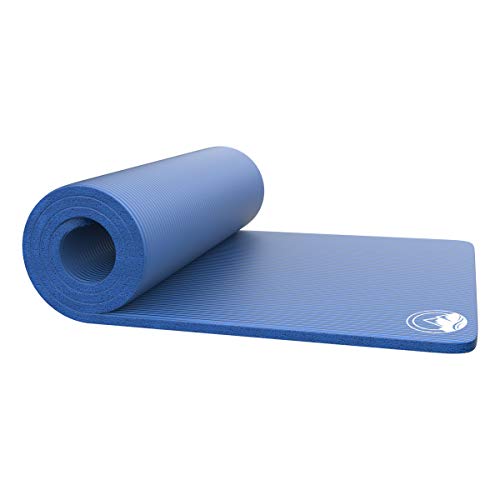
Wakeman Outdoors Foam Sleeping Pad for Camping, Blue, 72x24x0.75in | Thick Waterproof Sleep Pad with Carry Straps for Cots, Tents, Sleepovers or Camping Essentials
Best for: Cots, tents and general camp use at full length.
At 72 by 24 inches, this pad fits many adult bodies and works well on cots or inside a tent.
Pros
- Full-length dimensions
- Includes carry straps
Cons
- Heavy to carry on foot
SINWEEK 2 Inch Egg Crate Memory Foam Mattress Topper Twin Size

SINWEEK 2 Inch Egg Crate Memory Foam Mattress Topper Twin Size, Soft Mattress Pad for Back Pain Relief, Bed Topper, CertiPUR-US Certified
Best for: Sleepovers and guest use rather than backcountry trips.
This is a home-style egg crate topper, best for car, cabin or guest setups where weight and packing matter less. For a deeper look, 6 Best Blow Up Sleeping Pads for Camping in 2026 covers this in detail.
Pros
- Soft egg crate comfort
- CertiPUR-US certified foam
Cons
- Not designed for backpacking weight
Stansport Pack Lite Camping and Backpacking Sleeping Pad
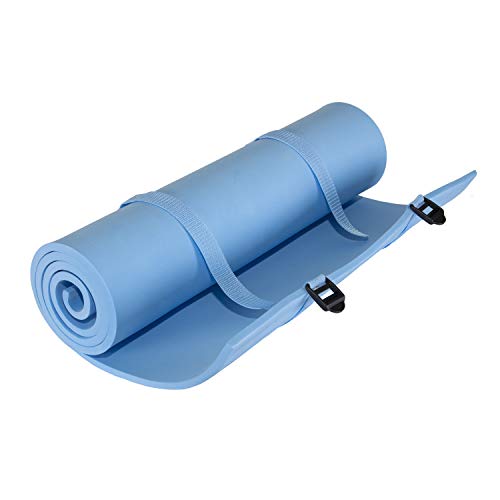
Stansport Pack Lite Camping & Backpacking Sleeping Pad – Lightweight Closed Cell Foam Mat – Waterproof & Puncture-Proof – Roll-Up Portable Design for Hiking & Outdoor Sleep – Straps Included
Best for: Budget-minded campers who want a simple closed-cell pad. 5 Best Double Sleeping Pads for Camping for Two (2026) goes further into this.
A basic, roll-up closed-cell pad for weekend campers and kids’ camps.
Pros
- Puncture-resistant closed-cell foam
- Straps included
Cons
- Basic cushioning
Buying Guide
Insulation and R-Value
Insulation matters more than cushioning once temperatures drop, because the ground pulls heat from your body. Closed-cell foam pads are generally good insulators, and thicker pads trap more warmth. Check the manufacturer’s stated R-value when it is listed, and match it to the coldest nights you expect to face.
Weight and Packed Size
If you carry your gear on your back, every ounce counts. Roll-up and folding foam pads are bulkier than inflatable options, so think about where the pad will ride in your pack. Pads designed for backpacking are often thinner and lighter, while car camping pads can be heavier and more padded.
Thickness and Comfort
Thicker foam feels softer but may be harder to pack and less stable on uneven ground. Thinner pads are firmer and more compact. Consider your sleeping position and whether you need extra cushioning for hips and shoulders.
Durability and Water Resistance
Look for a closed-cell structure and a tough outer surface if you camp on rocky or rough terrain. Waterproof construction helps keep the pad dry when you set it down on damp ground. A durable pad can last through many seasons, which often makes it a better value than replacing cheaper gear. If you want more background, see 7 Best Self Inflatable Sleeping Pad Picks for Camping (2026).
FAQ
Is a foam sleeping pad as comfortable as an inflatable one?
Foam pads are usually firmer and less plush than inflatable pads, but many campers find them comfortable enough for a good night’s sleep. Thicker foam or a layered setup can add extra cushioning. Your personal preference and body type will shape how comfortable a pad feels.
Can I use a foam sleeping pad in cold weather?
Yes, foam pads can insulate well in cold conditions, especially thicker closed-cell models. For very cold nights, pairing a foam pad with a second pad or a warm sleeping bag can improve warmth. Choose a pad with a suitable R-value for the temperatures you expect.
How do I clean a foam sleeping pad?
Wipe the surface with a damp cloth and mild soap, then let it air dry completely before rolling or folding it. Avoid harsh chemicals that could damage the foam or outer fabric. Storing the pad dry and uncompressed for long periods helps it keep its shape.
Do foam pads need to be inflated or set up?
Most foam pads are ready to use right after you unroll or unfold them, with no pump or valves required. Some models expand slightly over time as the foam recovers its shape. This simplicity is one reason many campers prefer them.
Can a foam pad be used indoors or as a guest bed?
Many foam pads and roll-up mats work well as temporary guest beds, sleepover pads, or cot toppers. Thicker memory foam options can add comfort indoors, though they may not offer the same insulation as a camping pad. Choose the model that fits the purpose you have in mind.
Conclusion
If you are backpacking or thru-hiking and need the lightest option, a thinner closed-cell pad designed for trail use is usually the best fit. For car camping, cots, or sleepovers where comfort and cushioning matter more than packed size, a thicker or memory-foam style pad will likely suit you better. 5 Best Closed-Cell Foam Sleeping Pads for Backpacking (2026) goes further into this.
Campers who expect cold nights should prioritize insulation and thickness, while those who value easy setup and long-term durability can focus on a tough, waterproof foam pad. Matching the pad to your trip type will give you the most reliable and comfortable result.
Related reading
- Sleeping Pad or Air Mattress (2026): Which Is Better for Camping?
- Sleeping Pad R-Values (2026): Which Is Better for Winter Camping?
- Cot vs Air Mattress vs Sleeping Pad for Camping
- Closed-Cell Foam Sleeping Pads: Pros, Cons and Uses
- Best Sleeping Pads for Camping
- 6 Best Ultralight Camping Sleeping Pads for Backpacking (2026)
About Audrey Hayes
Audrey Hayes is part of our editorial team and reviews and edits our camping equipment guides, checking product details against manufacturer specifications and owner feedback.






