
 By Audrey Hayes
Updated November 2026
A closed-cell foam sleeping pad is one of the simplest and most dependable ways to get insulation off cold ground. Because the foam cells do not absorb water or lose loft the way air-filled pads can, these pads are popular with backpackers, scouts, and anyone who wants a pad that will not go flat. This list compares five models on weight, packed size, thickness, and the trips each one suits best.
Our top picks at a glance
- 1
 TOP CHOICEBest overallTherm-a-Rest Z Lite Original Camping and Backpacking Sleeping PadView on Amazon
- 2
 TOP CHOICEBest for ultralight backpackingFoam Camping Pads for Sleeping, Foldable Closed Cell Foam Camping MattressView on Amazon
- 3
 TOP CHOICEBest for rugged, puncture-prone tripsStansport Pack Lite Camping & Backpacking Sleeping PadView on Amazon
- 4
 Best for car camping and cotsWakeman Outdoors Foam Sleeping Pad for CampingView on Amazon
- 5
 Best for compact, budget-minded hikingUltralight Foam Sleeping Pad, Waterproof Closed Cell Foam PadView on Amazon
Our Top Picks
Quick Comparison
| Product | Best for | Key feature |
|---|---|---|
| Therm-a-Rest Z Lite Original | Backpacking | Well-known accordion fold |
| Foam Camping Pads for Sleeping | Ultralight thru-hiking | Low packed weight |
| Stansport Pack Lite | Rough terrain | Puncture-resistant foam |
| Wakeman Outdoors Foam Pad | Car camping and cots | Generous 72-inch length |
| Ultralight Foam Sleeping Pad | Budget hiking | Compact folding design |
Therm-a-Rest Z Lite Original Camping and Backpacking Sleeping Pad
Therm-a-Rest Z Lite Original Camping and Backpacking Sleeping Pad | Ultralight, durable trail comfort with Z Lite Sleeping Pad
Best for: Backpacking with a reliable, well-known design
This is a widely recognized closed-cell pad for people who want a dependable trail companion without much fuss. Owners often report that the accordion folding design makes it easy to strap to the outside of a pack.
Pros
- Lightweight and easy to deploy
- Durable foam that holds up to regular trail use
Cons
- Less cushioning than thicker inflatable options
Foam Camping Pads for Sleeping, Foldable Closed Cell Foam Camping Mattress
Foam Camping Pads for Sleeping, Foldable Closed Cell Foam Camping Mattress, Waterproof Outdoor Sleeping Mat for Ultralight Backpacking Thru-Hiking
Best for: Ultralight backpacking and thru-hiking
Built for hikers who count every ounce, this pad is aimed at people covering long distances where pack weight matters most. Its foldable design keeps the packed size small.
Pros
- Light enough for long-distance carry
- Waterproof surface resists moisture from wet ground
Cons
- Thinner profile may feel firm on hard surfaces
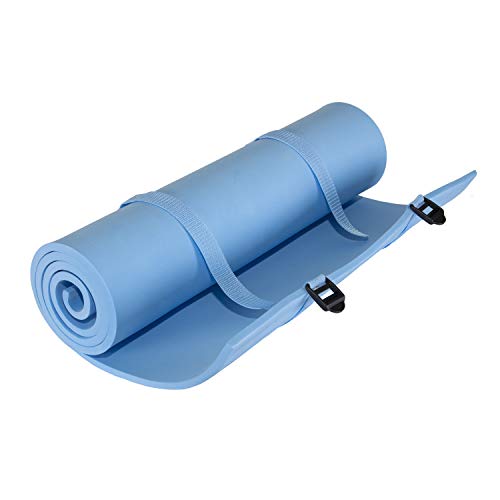
Stansport Pack Lite Camping & Backpacking Sleeping Pad
Stansport Pack Lite Camping & Backpacking Sleeping Pad – Lightweight Closed Cell Foam Mat – Waterproof & Puncture-Proof – Roll-Up Portable Design for Hiking & Outdoor Sleep – Straps Included
Best for: Rugged trips where puncture resistance matters
This pad suits campers who expect rocky ground, rough tent floors, or kids and dogs sharing the space. The roll-up design and included straps keep it simple to carry.
Pros
- Puncture-resistant closed-cell foam
- Straps included for carrying
Cons
- Bulkier when rolled than ultralight folding pads
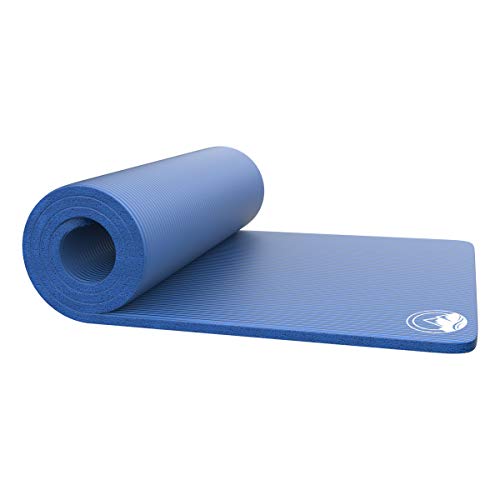
Wakeman Outdoors Foam Sleeping Pad for Camping
Wakeman Outdoors Foam Sleeping Pad for Camping, Blue, 72x24x0.75in | Thick Waterproof Sleep Pad with Carry Straps for Cots, Tents, Sleepovers or Camping Essentials
Best for: Car camping, cots, and sleepovers
At 72 by 24 inches, this pad offers extra length and width for campers who want more room than a backpacking pad provides. It also works well as a guest sleeping surface.
Pros
- Generous size for side sleepers
- Thick, waterproof foam with carry straps
Cons
- Too bulky for most backpacking loads
Ultralight Foam Sleeping Pad, Waterproof Closed Cell Foam Pad
Ultralight Foam Sleeping Pad, Waterproof Closed Cell Foam Pad for Superior Insulation, Folding Sleeping Mat for Compact Storage, Foldable and Portable for Hiking and Camping (Blue)
Best for: Compact, budget-minded hiking
This option is aimed at hikers and campers who want a simple foam pad that folds small enough for a daypack. It suits first-time backpackers testing their setup.
Pros
- Compact folded size
- Waterproof foam construction
Cons
- Thinner padding than premium models
Buying Guide
Thickness and insulation
Thickness affects comfort more than anything else. Most closed-cell pads are between 0.5 and 0.75 inches thick, and thicker pads generally feel softer on the body. For insulation from cold ground, check the pad’s R-value, which manufacturers usually specify on the listing.
Good picks for this: Therm-a-Rest Z Lite Original, Wakeman Outdoors Foam Sleeping Pad
Weight and packed size
Foldable designs pack smaller, while roll-up pads tend to be bulkier but tougher. If you carry your gear on your back for long distances, weigh the pad against the rest of your load before buying.
Good picks for this: Foam Camping Pads for Sleeping, Ultralight Foam Sleeping Pad A related read: 5 Best Sleeping Pad Klymit Static V Models for Backpacking (2026).
Durability and puncture resistance
Closed-cell foam resists punctures better than most inflatable pads, but surface toughness still varies. If you camp on gravel or rocky ground, look for a pad with a reinforced or denser foam surface.
Good picks for this: Stansport Pack Lite, Therm-a-Rest Z Lite Original
FAQ
Is a closed-cell foam sleeping pad good enough for winter camping?
Closed-cell foam can add useful insulation in cold conditions, especially when it is layered under an air pad for extra warmth. Many winter campers use a foam pad as a base layer because it keeps working even if the air pad leaks. For very cold trips, pairing it with a rated sleeping bag and a proper insulated top layer is the safest approach.
Will a foam pad work for side sleepers?
Side sleepers may find foam pads firmer than they would like, since foam offers less cushioning at the hips and shoulders than an inflatable pad. Thicker models tend to feel more comfortable, and folding the pad under the hip area can add a bit of extra padding. If comfort is a priority, many people prefer to combine a foam pad with a lightweight air mattress.
Do closed-cell foam pads need to be inflated or set up?
No, these pads are ready to use as soon as you unroll or unfold them, which makes them quick to deploy at camp. There is no pump, valve, or leak to worry about. You may need to shake out the pad or wipe off any dirt before you lie down.
How do I clean a foam sleeping pad?
Wipe the surface with a damp cloth and mild soap, then let it air dry fully before storing it. Avoid harsh chemicals and high heat, which can degrade the foam over time. Keeping the pad dry and clean will help it last through many seasons of use.
Can I use a foam pad inside a tent, or does it need special care?
A foam pad works well inside a tent and is often placed directly on the floor under the sleeping bag. Because it is waterproof, it can also serve as a barrier against damp ground. Just make sure the tent floor is clear of sharp debris to protect the pad surface.
How long does a closed-cell foam pad typically last?
With reasonable care, a closed-cell foam pad can last for many years because the material does not depend on valves or seams that wear out. Over time the foam may lose a small amount of firmness, but it generally keeps its shape and insulating ability. Storing it loosely rolled or folded rather than compressed for long periods can help extend its life.
Conclusion
For most backpackers who want a simple, reliable, and nearly indestructible pad, the top overall pick is the strongest all-around choice. Those counting every ounce should look at the ultralight options, while budget-minded campers will find good value in the more affordable models.
Families, scouts, and casual campers who mainly need extra cushioning and insulation can choose a thicker, roll-up style pad with carry straps. Whichever you pick, a closed-cell foam pad offers dependable comfort that will not fail you on the trail.
Related reading
- Closed-Cell Foam Sleeping Pads: Pros, Cons and Uses
- How Does Self Inflating Sleeping Pad Work? Open-Cell vs Closed-Cell (2026)
- What R-Value for Sleeping Pad? 3-Season vs Winter Pads (2026)
About Audrey Hayes
Audrey Hayes is part of our editorial team and reviews and edits our camping equipment guides, checking product details against manufacturer specifications and owner feedback.






