
 By Audrey Hayes
Updated November 2026
Shopping for a coleman self-inflating sleeping pad usually comes down to a handful of trade-offs: how much insulation you need, whether you want a built-in pillow, how much the pad weighs, and how thick a cushion your back and hips will appreciate. This guide compares six Coleman models that are widely sold for car camping, tent camping and casual backpacking. Each one is judged against the same criteria: insulation and warmth, thickness and comfort, packed size and weight, inflation method, durability of the cover, and the kind of trips it suits best. Specifications below are the ones the listings and manufacturer materials commonly state; anything we could not confirm is left out.
Our top picks at a glance
- 1
 TOP CHOICEBest overallColeman Silver Springs Self-Inflating Camping Sleep PadView on Amazon
- 2
 TOP CHOICEBest for cold-weather car campingColeman Cloudland Self-Inflating Sleeping PadView on Amazon
- 3
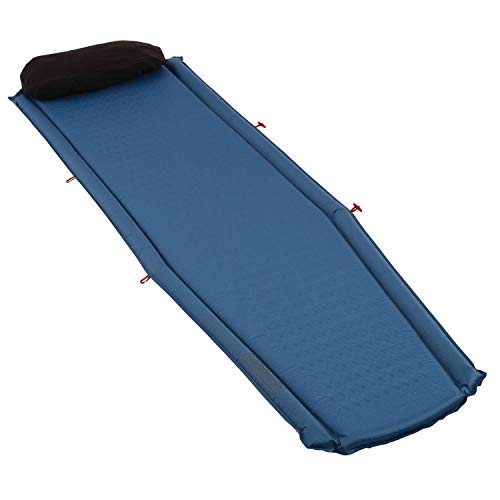 TOP CHOICEBest for side sleepersColeman Silverton Self-Inflating Sleeping Pad with PillowView on Amazon
- 4
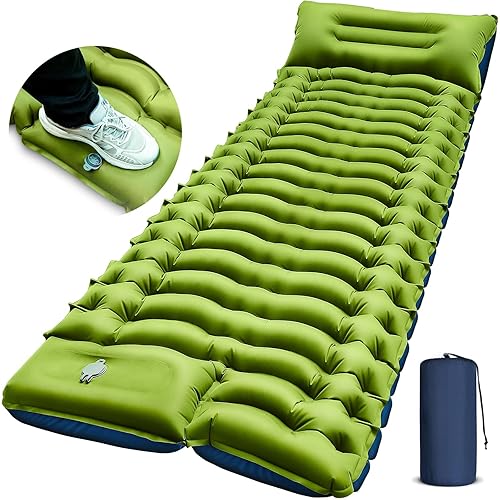 Best for backpacking weightFUN PAC Camping Sleeping PadView on Amazon
- 5
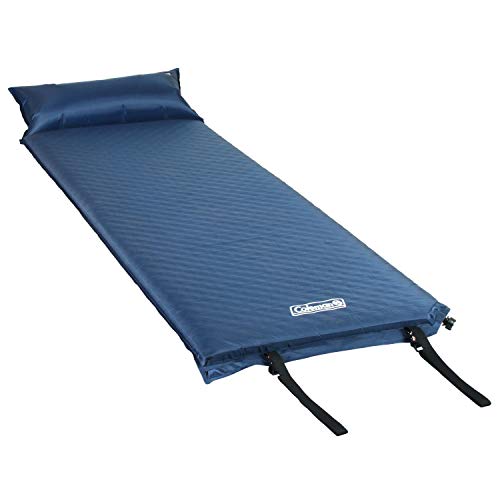 Best budget pickColeman Self-Inflating Sleeping Pad with PillowView on Amazon
- 6
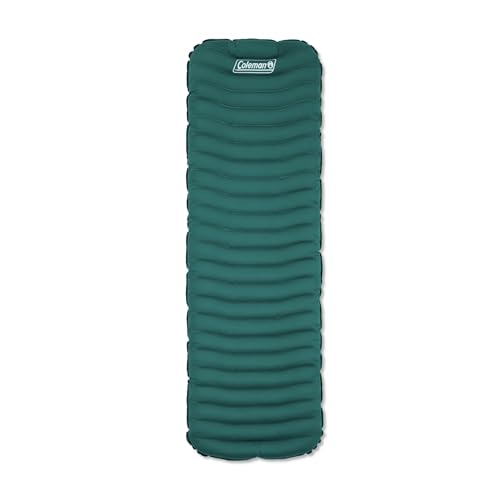 Best for warmth and soft surfaceColeman Cozy Inflatable Sleeping PadView on Amazon
Our Top Picks
The table below summarizes the six models at a glance. Read the individual sections for specs and trade-offs before deciding. A related read: Best Sleeping Pads for Camping: 6 Pads Compared.
| Product | Best for | Key feature |
|---|---|---|
| Coleman Silver Springs Self-Inflating Camping Sleep Pad | All-round camping | Insulated foam core with durable PVC-coated cover |
| Coleman Self-Inflating Sleeping Pad with Pillow | Budget-minded campers | Integrated pillow and quick-deflation compression straps |
| Coleman Silverton Self-Inflating Sleeping Pad with Pillow | Side sleepers and restless sleepers | Side bumpers that help keep you on the pad |
| Coleman Cloudland Self-Inflating Sleeping Pad | Cold-weather car camping | Extra-thick insulating foam |
| FUN PAC Camping Sleeping Pad | Backpacking and hiking | Ultralight build with built-in foot pump |
| Coleman Cozy Inflatable Sleeping Pad | Warmth and a softer surface | Brushed knit top surface and insulated R-value 3+ |
Coleman Silver Springs Self-Inflating Camping Sleep Pad
Coleman Silver Springs Self-Inflating Camping Sleep Pad | Insulated Foam for Warmth, Durable PVC Coating, Lightweight, Great for Camping
Best for: All-round camping with a balance of warmth, comfort and durability
This is the pad most campers will find easiest to recommend. It suits people who camp in a tent or from a car across a range of seasons and want one reliable pad rather than a specialist. The insulated foam core adds warmth above the ground, and the PVC-coated cover is designed to resist scuffs from gravel and picnic tables.
Key specs
- Self-inflating open-cell foam core with insulated foam layer
- Durable PVC-coated outer cover
- Designed for single-person camping
Pros
- Insulated foam adds warmth without a large increase in bulk
- Coated cover handles rough ground better than thin fabrics
- Inflates on its own once the valve is opened
Cons
- Heavier than ultralight pads, so it is less suited to long hikes
- Needs a few extra breaths or a pump to top up firmness
Bottom line: A strong first choice for campers who want one pad that works in most conditions without specialized features.
View on AmazonColeman Self-Inflating Sleeping Pad with Pillow
Coleman Self-Inflating Sleeping Pad with Pillow | Lightweight Inflatable Camp Pad, No Air Pump Needed, Quick Deflation with Compression Straps
Best for: Budget-friendly comfort with a built-in pillow
This model fits campers who want a complete sleep setup without buying a separate pillow. It is a sensible option for occasional campers, families outfitting several sleepers, or anyone who prefers to keep gear spending modest.
Key specs
- Self-inflating design with no pump required for basic inflation
- Attached pillow
- Compression straps for faster, tidier packing
Pros
- Pillow is built in, so there is one less item to pack
- Compression straps make rolling and storing the pad simpler
- Generally the most approachable entry point in this lineup
Cons
- Insulation is more modest than the thicker foam models
- Owners often note it is better for three-season use than cold nights
Bottom line: Pick this if you camp in mild weather and want a pillow included without paying for extra features.
View on AmazonColeman Silverton Self-Inflating Sleeping Pad with Pillow
Coleman Silverton Self-Inflating Sleeping Pad with Pillow | Self-Inflating Valve, No Pump Needed, With Side Bumpers that Prevents Rolling Off, Lightweight
Best for: Side sleepers and restless sleepers who roll during the night
The side bumpers on this pad are the defining feature. They are meant to reduce the chance of rolling off in the night, which matters more than people expect when sleeping on a narrow pad on uneven ground. It works well for couples who share a pad or for anyone who tends to move around.
Key specs
- Self-inflating valve system
- Raised side bumpers
- Attached pillow
Pros
- Side bumpers help keep you centered on the pad
- Pillow is included and simple to inflate
- Light enough for most car and tent trips
Cons
- Bumpers add a little bulk when packing
- Not designed for serious cold-weather insulation
Bottom line: Best for sleepers who want a pad that stays put, especially for side sleeping on the ground.
View on AmazonColeman Cloudland Self-Inflating Sleeping Pad
Coleman Cloudland Self-Inflating Sleeping Pad, Extra Thick Insulating Foam for Maximum Comfort, Air Fills in Minutes
Best for: Cold-weather car camping where thickness and insulation matter most
The extra-thick insulating foam is the reason to consider this model. Campers who sleep in cool shoulder seasons or in the mountains often find that thickness gives a noticeable difference in comfort and warmth. Because it is thicker, it takes up more room in a vehicle.
Key specs
- Extra-thick insulating foam
- Self-inflating design
- Suited to car and cabin-style camping
Pros
- Thicker foam gives more cushioning under hips and shoulders
- Insulation helps block cold from the ground
- Inflates in minutes without a pump for the main fill
Cons
- Bulkier and heavier than thinner Coleman pads
- Less practical for hiking or carrying any distance
Bottom line: Choose this for comfort-first car camping in cooler weather, not for packing on your back.
View on AmazonFUN PAC Camping Sleeping Pad
FUN PAC Camping Sleeping Pad, Ultralight Camping Mat with Pillow, Built-in Foot Pump Inflatable Sleeping Pads Compact for Camping Backpacking Hiking Traveling Tent,Single,Green
Best for: Lightweight backpacking and hiking trips
This is the one model in the list that leans toward portability. It is not a Coleman product, but it is included here because campers comparing self-inflating pads often weigh it against the Coleman options. It suits hikers who need a pad that compresses small and carries easily.
Key specs
- Ultralight construction
- Built-in foot pump for inflation
- Includes a pillow
Pros
- Packs down smaller than most car-camping pads
- Built-in pump reduces the need for separate inflation gear
- Well suited to trail use where weight counts
Cons
- Thinner profile gives less cushioning on hard ground
- Insulation is limited, so cold-ground use is less comfortable
Bottom line: A good pick for hikers who prioritize pack size over plush comfort.
View on AmazonColeman Cozy Inflatable Sleeping Pad
Coleman Cozy Inflatable Sleeping Pad, Lightweight & Insulated | Soft Brushed Knit Surface, Quick Inflation Valve, Insulated R-Value 3+ Helps Keep Body Warm, Green
Best for: Warmth and a softer sleeping surface
The brushed knit top surface gives this pad a different feel from standard PVC or nylon tops. Campers who run cold, or who find slick pad surfaces hard to sleep on, may prefer it. The listed insulated R-value of 3+ places it in the three-season range.
Key specs
- Insulated R-value listed as 3+
- Soft brushed knit surface
- Quick inflation valve
Pros
- Brushed top reduces the slippery feel of many pads
- Insulated R-value 3+ suits mild to moderate temperatures
- Quick valve speeds up inflation
Cons
- Not rated for deep winter conditions
- Soft surfaces can feel less firm for some side sleepers
Bottom line: Suited to three-season campers who want extra warmth and a cozier top surface.
View on AmazonBuying Guide
Insulation and R-value
R-value measures how well a pad resists heat loss into the ground. Higher numbers mean more insulation. Pads in the 2 to 3 range generally suit summer and mild shoulder-season camping, while higher values are better for cold ground. Check the listed R-value before assuming a pad will keep you warm.
Good picks for this: Coleman Cozy Inflatable Sleeping Pad, Coleman Cloudland Self-Inflating Sleeping Pad
Thickness and comfort
Thickness is the main driver of cushioning. A thicker pad keeps hips and shoulders off hard ground, but it also takes more room in a vehicle or pack. For most car campers, a pad of around 2 inches or more gives a comfortable night.
Good picks for this: Coleman Cloudland Self-Inflating Sleeping Pad, Coleman Silver Springs Self-Inflating Camping Sleep Pad
Packed size and weight
Self-inflating pads are heavier and bulkier than air pads or closed-cell foam. If you hike, weigh the pad and check its packed dimensions against your pack volume. Car campers can usually accept more bulk.
Good picks for this: FUN PAC Camping Sleeping Pad, Coleman Self-Inflating Sleeping Pad with Pillow
Inflation method
Self-inflating pads draw air in through an open valve, then need a few breaths or a pump to reach full firmness. Some models include a foot pump. Note whether you want to inflate by valve alone or need a pump for extra firmness.
Good picks for this: FUN PAC Camping Sleeping Pad, Coleman Cozy Inflatable Sleeping Pad
Sleep position and stability
Side sleepers and restless sleepers benefit from raised edges or wider pads that reduce rolling. Check whether the pad has side bumpers or a width that suits your sleeping style.
Good picks for this: Coleman Silverton Self-Inflating Sleeping Pad with Pillow
Durability of the cover
The outer cover takes the most abuse from gravel, roots and sharp objects. Coated covers such as PVC resist abrasion better than thin nylon. Expect a self-inflating pad to need careful handling if it will see rough campsites.
Good picks for this: Coleman Silver Springs Self-Inflating Camping Sleep Pad, Coleman Silverton Self-Inflating Sleeping Pad with Pillow
Care and storage
Store the pad uncompressed and dry, with the valve open. Clean it with mild soap and water, and dry it fully before rolling it up. Avoid leaving it compressed for long periods, which can shorten foam life. If you find a leak, check for it with soapy water and patch as needed.
Good picks for this: Coleman Self-Inflating Sleeping Pad with Pillow, Coleman Cloudland Self-Inflating Sleeping Pad
FAQ
Do Coleman self-inflating sleeping pads need a pump?
Most self-inflating pads fill mostly on their own once you open the valve. Owners commonly add a few breaths or use a pump to reach full firmness. Models with a foot pump, like the FUN PAC option here, let you finish inflation without extra gear.
How do I choose the right R-value for a Coleman pad?
Match the R-value to your coldest expected night. Lower values work for summer, while higher values suit cool nights and cold ground. Check the manufacturer’s stated figure, since foam thickness and insulation both affect warmth.
Are Coleman self-inflating pads good for side sleepers?
Side sleepers often prefer a pad with raised edges or extra width. The Silverton model includes side bumpers designed to help keep you on the pad. Thicker pads also tend to offer more hip and shoulder cushioning.
How long does a self-inflating pad take to inflate?
Inflation time depends on the model and on how much air needs to enter the foam. Owners often report that a pad fills mostly within several minutes, with the last bit of firmness added by hand or by pump.
How do I keep a self-inflating pad from losing air overnight?
Self-inflating pads rely on the foam to hold air, so a slow leak usually shows up as a softer pad by morning. Check the valve seal first, then look for punctures using soapy water. Tighten the valve cap and avoid sleeping on sharp debris.
Can I use a self-inflating pad in winter?
Most of the models listed are better suited to three-season or mild cold-weather use. For sub-freezing ground temperatures, look for a pad with a higher R-value and consider adding a closed-cell foam layer underneath. Consult your gear manufacturer’s guidance for specific winter ratings.
Should I buy a pillow-included pad or a separate pillow?
Built-in pillows save packing space and reduce the number of items you need to track. A separate camp pillow can offer better comfort if you are particular about loft and shape.
Conclusion
Among these six, the Coleman Silver Springs Self-Inflating Camping Sleep Pad is the most balanced choice for general camping. The Cloudland suits cold-weather car camping where thickness matters most, while the Silverton is the better fit for side sleepers. The budget-minded Coleman with Pillow covers the basics, the FUN PAC model leans toward hiking, and the Cozy pad adds warmth with a soft top. Match the pad to your trip type, your sleep position and the coldest night you expect, and check the listed specs before you buy.
Sources
- Background on how insulation and thermal resistance work, useful for understanding R-value (energy.gov)
- Consumer product safety guidance on inflatable products and recalls (cpsc.gov)
- Camping and backcountry guidance from the National Park Service on sleep gear and campsite safety (nps.gov)
Related reading
- Self-Inflating Sleeping Pads: How They Work and How to Care for Them
- Sea to Summit Self-inflating Sleeping Pad (2026): Which Should You Choose?
- Is It Tips for Using Self Inflating Sleeping Pad? 6 Practical Tips
- How Does Self Inflating Sleeping Pad Work? Open-Cell vs Closed-Cell (2026)
- 6 Best Self-Inflating Sleeping Pad Camping Picks for Every Trip (2026)
- 5 Best Self-Inflating Sleeping Pad Double Options for Camping in 2026
- 7 Best Self Inflatable Sleeping Pad Picks for Camping (2026)
- Sleeping Pad R-Value Explained: How Much Insulation You Need
About Audrey Hayes
Audrey Hayes is part of our editorial team and reviews and edits our camping equipment guides, checking product details against manufacturer specifications and owner feedback.





