
 By Audrey Hayes
Updated November 2026
Shopping for the best sleeping pad ultralight enough to carry all day but warm and comfortable enough to sleep on is harder than it looks. Most backpackers balance three things: packed weight and volume, insulation (R-value), and comfort for their sleeping style. This guide compares seven pads from the Amazon listings we reviewed, sorted by how well each matches those criteria. We checked listed specifications, brand reputation, and patterns in owner feedback, and we list the trade-offs so you can match a pad to your own trips.
Our top picks at a glance
- 1
 TOP CHOICEBest overallTherm-a-Rest Z Lite OriginalView on Amazon
- 2
 TOP CHOICEBest for cold-weather tripsGear Doctors ApolloAir 5.2 R-ValueView on Amazon
- 3
 TOP CHOICEBest for side sleepersOramoose 4 Inch Ultralight Sleeping PadView on Amazon
- 4
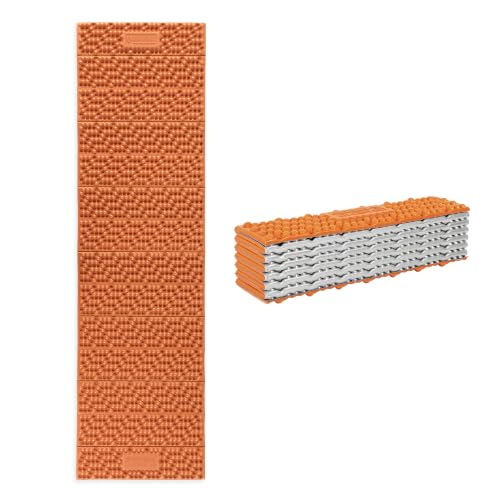 Best for puncture-proof tripsNEMO Switchback Foam Sleeping PadView on Amazon
- 5
 Best lightweight air padGear Doctors Ether 17.5ozView on Amazon
- 6
 Best built-in pumpWANNTS Ultralight Sleeping PadView on Amazon
- 7
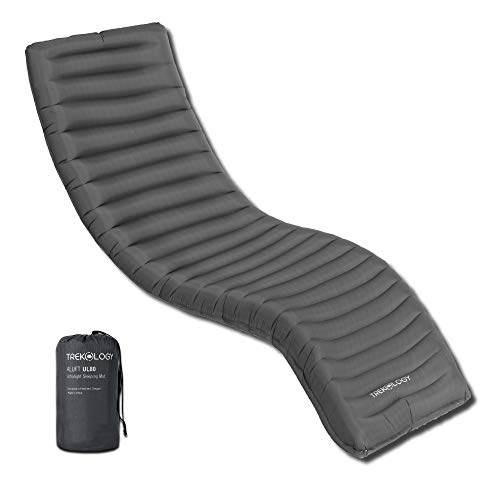 Best budget pickTREKOLOGY Ultralight Backpacking Sleeping PadView on Amazon
Our Top Picks
Quick Comparison
| Product | Best for | Key feature |
|---|---|---|
| Therm-a-Rest Z Lite Original | Overall backpacking | Closed-cell foam that never needs inflating |
| Gear Doctors ApolloAir 5.2 R-Value | Cold-weather trips | Insulated inflatable with a 5.2 R-value listed |
| Oramoose 4 Inch Ultralight Sleeping Pad | Side sleepers | 4-inch thickness with foot pump and pillow |
| NEMO Switchback Foam Sleeping Pad | Rough terrain | Durable foam construction |
| Gear Doctors Ether 17.5oz | Minimalist packers | Very low packed weight |
| WANNTS Ultralight Sleeping Pad | Quick setup | Built-in pump and repair kit |
| TREKOLOGY Ultralight Backpacking Sleeping Pad | Budget-conscious backpackers | Compact inflatable for travel and tent use |
Therm-a-Rest Z Lite Original
Therm-a-Rest Z Lite Original Camping and Backpacking Sleeping Pad | Ultralight, durable trail comfort with Z Lite Sleeping Pad
Best for: Overall backpacking and reliability
This closed-cell foam pad suits backpackers who want a pad that never fails from a slow leak. It is a good fit for people who sleep on their backs or stomachs and who value simplicity over maximum comfort.
Key specs
- Closed-cell foam construction
- Ultralight, backpacking-oriented design
- Durable trail-ready build
Pros
- No inflation or leak risk
- Durable foam resists punctures
- Simple to deploy at camp
Cons
- Less cushioning than inflatable pads
- Bulkier when strapped to a pack
Bottom line: A dependable choice for anyone who prioritizes durability and zero maintenance over plush comfort.
View on AmazonGear Doctors ApolloAir 5.2 R-Value
Gear Doctors® ApolloAir 5.2 R-Value [22oz] Ultralight Insulated Inflatable Camping Sleeping Pad — Backpacking Sleeping Pad— Camping Mattress Compact Lightweight for Hiking—Air Mattress for Backpacking
Best for: Cold-weather trips
The insulated design is aimed at campers who expect cooler nights, including shoulder-season and early-spring backpacking. Side sleepers who run cold will likely appreciate the added warmth.
Key specs
- Listed R-value of 5.2
- Insulated inflatable construction
- Ultralight packed size for backpacking
Pros
- Higher R-value for colder conditions
- Insulation helps block ground chill
- Packs down small
Cons
- Heavier than the thinnest air pads
- Requires inflation and careful valve use
Bottom line: Choose this if you camp in cold weather and need more warmth than a summer-only pad provides.
View on AmazonOramoose 4 Inch Ultralight Sleeping Pad
Oramoose 4 Inch Ultralight Sleeping Pad with Foot Pump and Pillow | Compact Water-Resistant Air Mattress for Backpacking, Hiking, Travel, and Camping
Best for: Side sleepers
The four-inch loft gives more cushion than a thin pad, which helps hip and shoulder pressure for side sleepers. The included foot pump and pillow add convenience for car campers and backpackers alike.
Key specs
- 4-inch thickness
- Foot pump included
- Water-resistant air mattress design
Pros
- Thick loft for side-sleeping comfort
- Foot pump reduces effort
- Pillow included
Cons
- Thicker pads pack larger
- Air pads need a check for slow leaks
Bottom line: A strong pick for side sleepers who want comfort while staying in the ultralight category.
View on AmazonNEMO Switchback Foam Sleeping Pad
NEMO Equipment Switchback Foam Sleeping Pad – Sunset Orange – Regular | Ultralight, Insulated, Packable, Durable, for Backpacking & Mountaineering
Best for: Rough terrain and puncture resistance
NEMO is a well-established outdoor gear brand, and this foam pad is aimed at backpackers and mountaineers who expect hard ground, rocks, and sharp debris. It suits people who would rather accept slightly more weight than risk a leak far from town.
Key specs
- Foam construction
- Ultralight, insulated, and packable per the listing
- Regular length
Pros
- Puncture-resistant foam
- No inflation required
- Insulating for cold ground
Cons
- Less cushioning than inflatable options
- Bulkier to carry outside the pack
Bottom line: Best for mountaineers and rugged-terrain campers who value reliability over softness.
View on AmazonGear Doctors Ether 17.5oz
Gear Doctors® Ether 17.5oz Ultralight Camping Sleeping Pad – Backpacking Air Mattress – Camping Mattress Pad – Compact Inflatable Sleeping Mat for Backpacking, Comfortable Outdoor Hiking, Tent, Travel
Best for: Minimalist packers
At 17.5 oz as named in the listing, this is among the lightest options here. It suits thru-hikers and fast-and-light trips where every ounce counts and nights are mild.
Key specs
- Listed weight of 17.5 oz
- Compact inflatable backpacking design
Pros
- Very light for its class
- Packs small
- Suitable for mild-weather trips
Cons
- Limited insulation for cold nights
- Thin profile offers less padding
Bottom line: Pick this for three-season, lightweight trips where pack weight matters most.
View on AmazonWANNTS Ultralight Sleeping Pad
WANNTS Sleeping Pad, Ultralight Inflatable Sleeping Pad for Camping, Built-in Pump, Ultimate for Camping, Hiking – Airpad, Carry Bag, Repair Kit – Compact & Lightweight Camping Pad(Green)
Best for: Quick setup at camp
The built-in pump and repair kit are the main draws. Campers who arrive tired after a long day and want to inflate quickly will find this convenient.
Key specs
- Built-in pump
- Includes carry bag and repair kit per the listing
- Compact camping pad design
Pros
- Built-in pump saves effort
- Repair kit included
- Good for camping and hiking
Cons
- Built-in pumps add some weight
- Owners often recommend checking seals before first use
Bottom line: A convenient choice for campers who value fast setup and included accessories.
View on AmazonTREKOLOGY Ultralight Backpacking Sleeping Pad
TREKOLOGY Ultralight Backpacking Sleeping Pad, Inflatable Camping Mat | Lightweight hiking sleep pad, backpacking air mattress for tent, compact blow up camp pad for travel
Best for: Budget-conscious backpackers
This is a budget pick for hikers who want an ultralight inflatable without premium pricing. It also works as a general-purpose pad for tent camping and travel.
Key specs
- Ultralight inflatable design
- Compact packed size
- Suitable for tent and travel use
Pros
- Good value for a lightweight pad
- Compact when deflated
- Versatile across uses
Cons
- Lower insulation than premium insulated pads
- Build quality varies by owner reports
Bottom line: Suitable for occasional backpackers who want a solid lightweight pad without spending heavily.
View on AmazonBuying Guide
Weight and Packed Size
Ultralight pads typically fall well under two pounds, but manufacturers list weights differently, so compare packed weight directly. Measure the packed diameter too, since a pad that fits inside your pack’s sleeping bag compartment saves frustration.
Good picks for this: Gear Doctors Ether 17.5oz, Therm-a-Rest Z Lite Original
R-Value and Insulation
R-value measures resistance to heat loss through the pad. Summer-only pads often sit in the lower range, while cold-weather pads list higher values. Check the listed R-value before trusting a pad for shoulder-season or winter trips. For a deeper explanation, see Sleeping Pad R-Value Explained: How Much Insulation You Need.
Good picks for this: Gear Doctors ApolloAir 5.2 R-Value, NEMO Switchback Foam Sleeping Pad
Pad Type: Foam Versus Inflatable
Closed-cell foam pads never leak and are very durable, but they offer less cushioning. Inflatable pads feel more comfortable and pack smaller, but they can puncture or leak. Many backpackers consider this the single biggest decision. For a fuller comparison, read Sleeping Pad or Air Mattress (2026): Which Is Better for Camping? and 5 Best Closed-Cell Foam Sleeping Pads for Backpacking (2026).
Good picks for this: Therm-a-Rest Z Lite Original, NEMO Switchback Foam Sleeping Pad
Thickness and Comfort
Side sleepers generally need more loft than back sleepers to keep hips and shoulders from touching the ground. Thicker pads add comfort but increase packed size. A four-inch pad is a common comfort-oriented choice. See Best Sleeping Pad for Side Sleepers: What to Look For (2026) for more on this.
Good picks for this: Oramoose 4 Inch Ultralight Sleeping Pad, Gear Doctors ApolloAir 5.2 R-Value
Durability and Puncture Resistance
Rough campsites, rocks, and sharp sticks are the most common causes of pad failure. Foam pads resist punctures by design. Inflatable pads depend on the fabric denier and quality of the valve, so consider a repair kit. Owners often report that small leaks are easy to fix with patches if the kit is included.
Good picks for this: NEMO Switchback Foam Sleeping Pad, WANNTS Ultralight Sleeping Pad
Inflation Method
Pads inflate by mouth, by a foot pump, or by a built-in pump. Mouth inflation adds moisture to the inside of the pad over time, so many campers prefer a pump. Built-in pumps save effort but add weight.
Good picks for this: WANNTS Ultralight Sleeping Pad, Oramoose 4 Inch Ultralight Sleeping Pad
Care and Storage
Store inflatable pads loosely rolled or unrolled, never compressed for long periods, to preserve insulation and seals. Dry the pad completely before packing to prevent mildew. Clean the surface with mild soap and water, and avoid harsh solvents that can degrade fabric and coatings.
Good picks for this: Therm-a-Rest Z Lite Original, TREKOLOGY Ultralight Backpacking Sleeping Pad
FAQ
What is the best sleeping pad ultralight option for most backpackers?
For most backpackers, a closed-cell foam pad such as the Therm-a-Rest Z Lite Original offers a reliable balance of weight, durability, and zero leak risk. Inflatable options can be lighter or more comfortable, but they require more care.
How much R-value do I need?
Summer and warm-weather camping generally works with lower R-values, while cold-weather or winter camping calls for higher ones. Check the conditions you expect, not just the pad’s listed number. See What R-Value for Sleeping Pad? 3-Season vs Winter Pads (2026) for guidance.
Are inflatable ultralight pads comfortable enough?
Many are, especially thicker models. Side sleepers often prefer pads around four inches thick. Thinner inflatable pads trade comfort for weight savings.
Can I use an ultralight pad for car camping?
Yes, though pads designed for backpacking may feel thin for car camping. If comfort is the priority at a campsite, a thicker pad may be a better choice. Compare with 6 Best Camping Sleeping Pads Compared: Top Picks for Every Trip (2026).
How do I prevent my inflatable pad from leaking?
Inflate gently, avoid overinflating, keep the pad off sharp surfaces, and carry a repair kit. Check for slow leaks by inflating the pad at home and leaving it overnight before a trip.
Should I buy a pad with a built-in pump?
A built-in pump is useful if you arrive at camp tired or want to avoid moisture from mouth inflation. The added weight is the main trade-off, so weigh that against your typical trip length.
Conclusion
The best sleeping pad ultralight choice depends on your priorities. The Therm-a-Rest Z Lite Original suits anyone who wants a foam pad that never leaks. The Gear Doctors ApolloAir 5.2 R-Value fits cold-weather trips, while the Oramoose 4 Inch Ultralight Sleeping Pad serves side sleepers. The Gear Doctors Ether 17.5oz is best for minimalist packers, and the NEMO Switchback Foam Sleeping Pad handles rough terrain. The WANNTS pad suits campers who want fast setup, and the TREKOLOGY pad is a sensible budget option. Match the pad to your season, sleeping position, and terrain, and check the listed specifications before you buy.
Sources
- Consumer safety guidance on product recalls and safe use of outdoor equipment (cpsc.gov)
- Backcountry camping guidance and Leave No Trace principles for campsite selection (nps.gov)
- Information on forest conditions and terrain considerations for backcountry travel (usda.gov)
About Audrey Hayes
Audrey Hayes is part of our editorial team and reviews and edits our camping equipment guides, checking product details against manufacturer specifications and owner feedback.






