
 By Audrey Hayes
Updated November 2026
If you are looking at the thermarest z lite sleeping pad, you probably want a closed-cell foam pad that is light, durable and simple to use without worrying about punctures or inflation. This list compares the Z Lite family against three other pads in the same general lineup, using manufacturer specifications, brand reputation and the patterns owners commonly report. The selection criteria were packed weight, insulation (R-value), packed size, durability, comfort and how well each pad suits a particular kind of trip. No pad here was tested by us.
Our top picks at a glance
- 1
 TOP CHOICEBest overallTherm-a-Rest Z Lite Sol Camping and Backpacking Sleeping PadView on Amazon
- 2
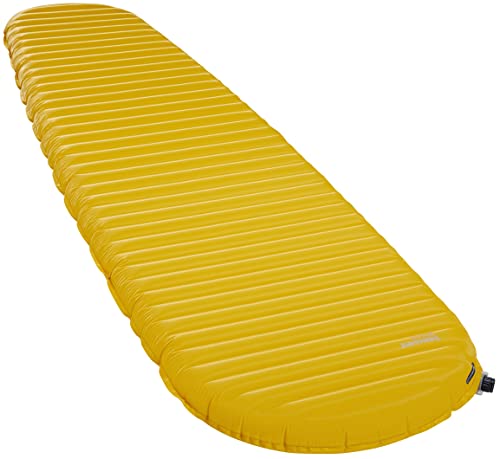 Best for ultralight backpackingTherm-a-Rest NeoAir Xlite NXT Ultralight Camping and Backpacking Sleeping PadView on Amazon
- 3
 Best for car camping and hybrid tripsTherm-a-Rest Trail Scout Self-Inflating Camping and Backpacking Sleeping PadView on Amazon
- 4
 Best budget pickAmazon Basics Camping Sleeping Pad with Quick-Inflate Built-in Foot PumpView on Amazon
Our Top Picks
Quick Comparison
| Product | Best for | Key feature |
|---|---|---|
| Therm-a-Rest Z Lite Sol Camping and Backpacking Sleeping Pad | Overall use, three-season backpacking | Closed-cell foam that cannot go flat |
| Therm-a-Rest NeoAir Xlite NXT Ultralight Camping and Backpacking Sleeping Pad | Ultralight backpacking | Very low weight and high insulation |
| Therm-a-Rest Trail Scout Self-Inflating Camping and Backpacking Sleeping Pad | Car camping and hybrid trips | Self-inflating foam core |
| Amazon Basics Camping Sleeping Pad with Quick-Inflate Built-in Foot Pump | Budget-conscious campers | Built-in foot pump |
Therm-a-Rest Z Lite Sol Camping and Backpacking Sleeping Pad
Therm-a-Rest Z Lite Sol Camping and Backpacking Sleeping Pad, Limon/Silver, Regular – 20 x 72 Inches
Best for: Overall use and three-season backpacking
This is the classic closed-cell foam pad that the thermarest z lite sleeping pad name refers to. It suits campers who want a dependable pad that never needs air, will not leak, and can be folded or rolled quickly at camp. It is a sound default for beginners and experienced hikers alike.
Key specs
- Regular length: 20 x 72 inches (per the listing name)
- Closed-cell foam construction, no inflation required
- Sold in a Limon/Silver colorway
Pros
- Puncture-proof because there is no air chamber to lose
- Simple to deploy and does not depend on a pump
- Owners often describe it as a dependable, long-lasting pad
Cons
- Bulkier when packed than inflatable pads, so it rides outside the pack
- Less cushioning than thicker air or self-inflating pads on hard ground
Bottom line: The best default choice if you want reliability and simplicity over the smallest possible pack size.
View on AmazonTherm-a-Rest NeoAir Xlite NXT Ultralight Camping and Backpacking Sleeping Pad
Therm-a-Rest NeoAir Xlite NXT Ultralight Camping and Backpacking Sleeping Pad, Solar Flare, Regular Wide
Best for: Ultralight backpacking
The NeoAir Xlite NXT is an air pad built for weight-conscious hikers who still want strong insulation. It is a good fit when every ounce matters and you are willing to carry a small repair kit and learn basic inflation habits.
Key specs
- Regular Wide sizing, per the listing name
- Ultralight air-chamber design intended for backpacking
- Solar Flare colorway
Pros
- Very low packed weight for its insulation level
- Compresses small enough for tight pack space
- Owners frequently praise its comfort on uneven ground
Cons
- Air chamber can puncture, so a patch kit is wise
- Requires inflation and deflation time at each campsite
Bottom line: Pick this over the Z Lite if pack weight is your top priority and you accept some extra care.
View on AmazonTherm-a-Rest Trail Scout Self-Inflating Camping and Backpacking Sleeping Pad
Therm-a-Rest Trail Scout Self-Inflating Camping and Backpacking Sleeping Pad, Regular – 72 x 20 Inches
Best for: Car camping and hybrid trips
The Trail Scout uses a self-inflating foam core that opens on its own and needs only a short top-off breath or pump. It suits car campers and weekend trippers who want comfort without the full fuss of a pure air pad.
Key specs
- Regular size: 72 x 20 inches (per the listing name)
- Self-inflating foam core
Pros
- Comfortable and easy to set up at camp
- Foam core adds some insulation and cushioning
- Good for users who want a middle ground between foam and air
Cons
- Heavier and bulkier than ultralight air pads
- Foam core can take a while to fully expand in cold conditions
Bottom line: A strong choice for comfort-focused campers who do not mind a heavier pad.
View on AmazonAmazon Basics Camping Sleeping Pad with Quick-Inflate Built-in Foot Pump
Amazon Basics Camping Sleeping Pad with Quick-Inflate Built-in Foot Pump, Water Resistant, Ultralight, Portable for Hiking and Backpacking, Olive Green
Best for: Budget-conscious campers
This budget pick is aimed at occasional campers, families and anyone who wants a basic camping pad without a premium brand price tag. The built-in foot pump removes the need to carry a separate pump.
Key specs
- Built-in foot pump for quick inflation
- Water-resistant and listed as ultralight and portable
- Olive Green colorway
Pros
- Built-in pump simplifies setup
- Good entry point for trying camping without a big commitment
- Portable enough for hiking and short backpacking trips
Cons
- Lacks the long-term durability and insulation reputation of Therm-a-Rest pads
- Owners sometimes report it needs more frequent top-off during the night
Bottom line: Choose this if you camp occasionally and want a simple, low-commitment pad.
View on AmazonBuying Guide
Insulation and R-value
R-value measures resistance to heat loss through the pad. Warmer weather pads usually sit in a lower range, while winter-rated pads run higher. Check the manufacturer’s stated R-value before buying, since it is the most reliable way to compare insulation across brands. For a deeper explanation, see Sleeping Pad R-Value Explained: How Much Insulation You Need.
Good picks for this: Therm-a-Rest Z Lite Sol Camping and Backpacking Sleeping Pad, Therm-a-Rest NeoAir Xlite NXT Ultralight Camping and Backpacking Sleeping Pad
Foam versus air versus self-inflating construction
Closed-cell foam pads do not lose air and are very durable, but they are bulkier. Air pads pack small but can puncture. Self-inflating pads sit between the two. Knowing these tradeoffs helps you match the construction to your trips. For more background, see Closed-Cell Foam Sleeping Pads: Pros, Cons and Uses and Self-Inflating Sleeping Pads: How They Work and How to Care for Them.
Good picks for this: Therm-a-Rest Z Lite Sol Camping and Backpacking Sleeping Pad, Therm-a-Rest Trail Scout Self-Inflating Camping and Backpacking Sleeping Pad
Packed size and weight
If you carry your gear on your back, packed size and weight matter more than in car camping. Compare the listed weight and packed dimensions against your pack volume. Ultralight air pads typically win on weight, while closed-cell foam pads often ride strapped to the outside of the pack.
Good picks for this: Therm-a-Rest NeoAir Xlite NXT Ultralight Camping and Backpacking Sleeping Pad, Amazon Basics Camping Sleeping Pad with Quick-Inflate Built-in Foot Pump
Length, width and fit
Measure your height and sleeping style before buying. Regular lengths around 72 inches suit most adults, while wide versions give side sleepers more room. Pads that are too short leave your feet or shoulders cold. For sleep-position guidance, see Best Sleeping Pad for Side Sleepers: What to Look For (2026).
Good picks for this: Therm-a-Rest NeoAir Xlite NXT Ultralight Camping and Backpacking Sleeping Pad, Therm-a-Rest Z Lite Sol Camping and Backpacking Sleeping Pad
Durability and puncture resistance
Closed-cell foam is inherently puncture-resistant. Air pads need careful handling on rocky ground and a patch kit on hand. Owners often report that a ground sheet or footprint extends the life of any pad. If a leak does occur, see How to Find and Patch a Leak in an Air Sleeping Pad.
Good picks for this: Therm-a-Rest Z Lite Sol Camping and Backpacking Sleeping Pad, Amazon Basics Camping Sleeping Pad with Quick-Inflate Built-in Foot Pump
Inflation and setup
Consider how you will inflate the pad. Built-in pumps save a step, while self-inflating designs need only a few breaths or a short wait to open. Pure air pads need a separate pump or your lungs. Accessories like pump sacks can help; see Sleeping Bag Liners, Pumps and Pad Couplers Explained.
Good picks for this: Therm-a-Rest Trail Scout Self-Inflating Camping and Backpacking Sleeping Pad, Amazon Basics Camping Sleeping Pad with Quick-Inflate Built-in Foot Pump
Care and storage
Store pads loosely rolled or unrolled rather than compressed for long periods, which can shorten the life of foam and fabric. Clean with mild soap and water, dry fully before storing, and keep the valve clean on air and self-inflating models.
Good picks for this: Therm-a-Rest Z Lite Sol Camping and Backpacking Sleeping Pad, Therm-a-Rest Trail Scout Self-Inflating Camping and Backpacking Sleeping Pad
FAQ
Is the thermarest z lite sleeping pad good for beginners?
Yes. Because it is closed-cell foam, it needs no inflation and cannot go flat from a puncture. That makes it a forgiving choice for people new to camping. You may also like 6 Best Floor Pads for Sleeping Options for Comfort on Hard Floors (2026).
How does the Z Lite compare to an air pad?
The Z Lite is more durable and simpler to use, but it packs bulkier. Air pads like the NeoAir Xlite NXT pack smaller and lighter but need inflation and care around sharp objects.
Can I use a thermarest sleeping pad z lite in winter?
Check the manufacturer’s stated R-value for the specific model and compare it with the temperatures you expect. Pads with higher R-values are better suited to cold conditions. For guidance, see What R-Value for Sleeping Pad? 3-Season vs Winter Pads (2026).
Do I need a separate pump for the Z Lite?
No. Closed-cell foam pads do not require air, so no pump is needed.
Which pad is best if I want the lightest option?
The Therm-a-Rest NeoAir Xlite NXT generally sits at the light end of this list, which is why it is recommended for ultralight backpacking.
Is a budget pad a reasonable substitute?
For occasional camping, a budget pad can work well. Owners often note that brand-name pads hold up longer under frequent use, so consider how often you camp.
Conclusion
For most campers, the Therm-a-Rest Z Lite Sol Camping and Backpacking Sleeping Pad is the most dependable overall choice, especially if you value durability and simplicity. Ultralight backpackers should look at the NeoAir Xlite NXT, car campers may prefer the Trail Scout, and occasional campers on a tighter budget can consider the Amazon Basics pad. Compare R-value and packed size against your trips before deciding.
Sources
- Consumer safety guidance on product use, storage and recalls that applies to outdoor gear (cpsc.gov)
- Backcountry camping guidance, including gear and campsite considerations (nps.gov)
- Background on how insulation and thermal resistance are measured and compared (energy.gov)
Related reading
About Audrey Hayes
Audrey Hayes is part of our editorial team and reviews and edits our camping equipment guides, checking product details against manufacturer specifications and owner feedback.







