By Audrey Hayes
Updated November 2026
If you are looking at the exped ultra 3r sleeping pad, you probably want a pad that packs small, weighs little and keeps you insulated on cool nights without adding bulk to your pack. This list compares five lightweight options against a few criteria: insulation (R-value), packed size and weight, fit for different body sizes, durability for backpacking use, and how well each suits 3-season camping. The picks below include the Ultra 3R itself and related models that cover different seasons and budgets.
Our top picks at a glance
- 1
 TOP CHOICEBest overallExped Ultra 3R Lightweight Sleeping Pad, Lime, MediumView on Amazon
- 2
 TOP CHOICEBest for cold-weather tripsExped Ultra 6.5R Lightweight Sleeping Pad, Lichen, Long WideView on Amazon
- 3
 TOP CHOICEBest for summer campingExped Ultra 1R Lightweight Sleeping Pad, Lichen, MediumView on Amazon
- 4
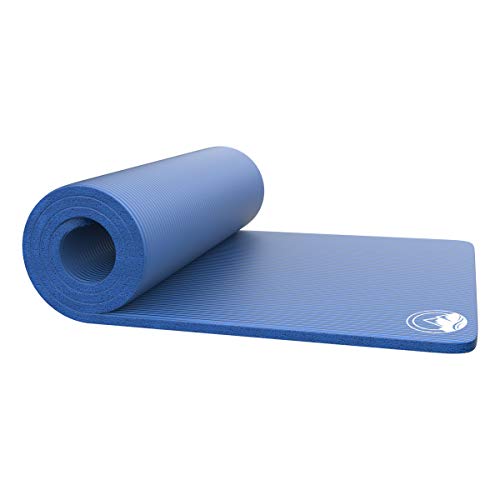
 Best budget pickTREKOLOGY Sleeping Pad for Camping, BlueView on Amazon
- 5
 Best for ultralight packingGear Doctors Ether 17.5oz Ultralight Camping Sleeping PadView on Amazon
Our Top Picks
Quick Comparison
| Product | Best for | Key feature |
|---|---|---|
| Exped Ultra 3R Lightweight Sleeping Pad, Lime, Medium | 3-season backpacking | Moderate R-value suited to spring, summer and fall nights |
| Exped Ultra 6.5R Lightweight Sleeping Pad, Lichen, Long Wide | Cold-weather and all-season trips | Higher R-value and a long, wide body |
| Exped Ultra 1R Lightweight Sleeping Pad, Lichen, Medium | Warm-weather camping | Light insulation for hot nights |
| TREKOLOGY Sleeping Pad for Camping, Blue | Budget-minded all-season use | 7.2 R-value with a 4-inch thickness |
| Gear Doctors Ether 17.5oz Ultralight Camping Sleeping Pad | Minimalist, weight-focused hikers | Very light packed weight |
Exped Ultra 3R Lightweight Sleeping Pad, Lime, Medium
Exped Ultra 3R Lightweight Sleeping Pad, Lime, Medium | Ultralight Backpacking Sleeping Mat for 3-Season Camping
Best for: 3-season backpacking
This is the model most backpackers searching for the exped ultra 3r sleeping pad are looking for. It suits hikers who camp in spring, summer and early fall and want a pad that balances comfort with a small packed size.
Key specs
- Model rating: 3R, indicating 3-season insulation
- Size listed as Medium
- Designed as an ultralight backpacking mat
Pros
- Packs down small for its class
- Suitable for the majority of 3-season nights
- Lightweight enough for long-distance carry
Cons
- May feel cool on very cold ground
- Medium size may not suit taller sleepers
Bottom line: Pick this if you want the standard 3-season version of the Ultra line and plan mostly mild-to-cool trips.
View on AmazonExped Ultra 6.5R Lightweight Sleeping Pad, Lichen, Long Wide
Exped Ultra 6.5R Lightweight Sleeping Pad, Lichen, Long Wide | Ultralight Backpacking Sleeping Mat for All-Season Camping
Best for: Cold-weather and all-season trips
This larger, higher-insulation model suits campers who face cold ground, shoulder-season frost or winter-adjacent conditions and who want extra length and width for restful sleep.
Key specs
- Model rating: 6.5R, indicating higher insulation than the 3R
- Long Wide sizing for taller or wider sleepers
- Ultralight construction in the Ultra family
Pros
- Higher R-value for colder nights
- Extra length and width improve comfort
- Still packs reasonably small for its size
Cons
- Heavier and bulkier than the 3R
- Overkill for summer-only use
Bottom line: Best for campers who need warmth more than minimal weight and who are over average height.
View on AmazonExped Ultra 1R Lightweight Sleeping Pad, Lichen, Medium
Exped Ultra 1R Lightweight Sleeping Pad, Lichen, Medium | Ultralight Backpacking Sleeping Mat for Comfortable Summer Camping
Best for: Warm-weather camping
The 1R is aimed at hot-weather use, where a thin pad is enough to keep you off the ground and make the most of a light setup.
Key specs
- Model rating: 1R, indicating minimal insulation
- Medium size
- Ultralight backpacking construction
Pros
- Very light and compact
- Good for hot nights and summer trips
- Low cost of carry in weight terms
Cons
- Offers little insulation for cool ground
- Not suitable for shoulder season or winter
Bottom line: A sensible choice for summer campers who never expect temperatures near freezing.
View on AmazonTREKOLOGY Sleeping Pad for Camping, Blue
TREKOLOGY Sleeping Pad for Camping– Ultra-Lightweight, 4" Thick Camping Mat with 7.2 R-Value for All Seasons (Blue)
Best for: Budget-minded all-season use
Shoppers comparing the Exped line against cheaper alternatives often look at this pad, which is marketed for use across multiple seasons and offers a thicker profile.
Key specs
- Listed R-value: 7.2
- Listed thickness: 4 inches
- Marketed as ultra-lightweight
Pros
- Higher listed R-value than the Ultra 3R
- Thick profile for side sleepers
- Budget-friendly option within the category
Cons
- Owners often report it is bulkier when packed
- Less established brand reputation in the backpacking niche
Bottom line: Worth considering if you want more insulation and a thicker pad without moving to premium pricing.
View on AmazonGear Doctors Ether 17.5oz Ultralight Camping Sleeping Pad
Gear Doctors® Ether 17.5oz Ultralight Camping Sleeping Pad – Backpacking Air Mattress – Camping Mattress Pad – Compact Inflatable Sleeping Mat for Backpacking, Comfortable Outdoor Hiking, Tent, Travel
Best for: Minimalist, weight-focused hikers
This air mattress-style pad targets hikers who count every ounce and are willing to accept a thinner, less insulating surface in exchange for minimal pack weight.
Key specs
- Listed weight: 17.5 oz
- Inflatable design for compact packing
- Marketed for backpacking and travel
Pros
- Very light packed weight
- Compact when deflated and rolled
- Useful as a backup or travel pad
Cons
- Insulation is limited compared with Exped models
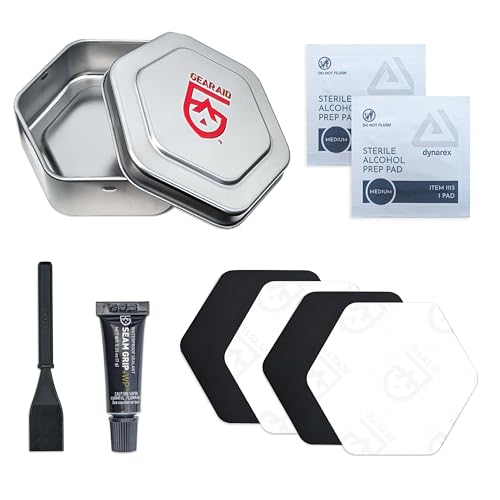
- Owners often recommend carrying a repair kit for punctures
Bottom line: Good for ultralight hikers in warm conditions; less suited to cold-ground camping.
View on AmazonBuying Guide
R-Value and Season Rating
R-value measures how well a pad resists heat flow to the ground. Higher numbers mean more insulation. For most 3-season trips, a moderate rating is enough, while colder conditions call for higher values. The exped ultra 3r sleeping pad sits in the 3-season range, so check the forecast low for your trip before buying. For more background, see Sleeping Pad R-Value Explained: How Much Insulation You Need.
Good picks for this: Exped Ultra 3R, Exped Ultra 6.5R
Weight and Packed Size
If you carry your gear on foot, weight and packed volume matter as much as comfort. Compare the listed weight and the stuff-sack size. Lighter pads reduce fatigue on long days but often trade away some insulation or durability.
Good picks for this: Gear Doctors Ether 17.5oz, Exped Ultra 1R
Size and Body Fit
Length and width affect sleep quality. Medium sizes suit average heights, while Long Wide options give taller or broader sleepers more room and less rolling off the edge. Measure yourself and compare against the listed dimensions.
Good picks for this: Exped Ultra 6.5R, TREKOLOGY Sleeping Pad
Intended Use Case
Think about where you will camp. Summer trips on dry ground have different needs from shoulder-season camps on frozen soil. Matching the pad to your typical conditions matters more than buying the highest-rated model. For a broader comparison, see Best Sleeping Pads for Camping.
Good picks for this: Exped Ultra 1R, Exped Ultra 3R
Durability and Materials
Ultralight pads use thin fabrics that are more prone to punctures. Owners often report that careful site selection and a repair kit extend a pad’s life considerably. Check the denier and fabric description when comparing models, and see How to Find and Patch a Leak in an Air Sleeping Pad for field repair steps.
Good picks for this: Gear Doctors Ether 17.5oz, TREKOLOGY Sleeping Pad
Inflation Method and Comfort
Most ultralight pads are inflated by mouth or with a small pump. Mouth inflation adds moisture, which can reduce insulation over time, so consider a pump or sack for frequent use. Firmness and cushioning also differ between models, so read the comfort notes carefully.
Good picks for this: TREKOLOGY Sleeping Pad, Exped Ultra 3R
Care and Storage
Store pads loosely rolled or unrolled rather than compressed for long periods. Clean grit from the surface before packing, and dry the pad fully to prevent mildew. Following the manufacturer’s care guidance will help the pad keep its loft and seal.
Good picks for this: Exped Ultra 6.5R, Exped Ultra 1R
FAQ
Is the exped ultra 3r sleeping pad good for winter camping?
Generally no. The 3R rating suits 3-season conditions. For colder nights, manufacturers recommend a higher R-value such as the 6.5R model or a dedicated winter pad.
What does the “3R” in the name mean?
The number refers to the pad’s insulation rating in the Exped Ultra line. Higher numbers indicate more warmth. Check the product specifications for exact figures.
How do I choose between a Medium and Long Wide size?
Measure your height and sleeping style. Medium works for average sleepers, while Long Wide suits taller people or those who move a lot at night.
Can I use a sleeping pad with a sleeping bag liner?
Yes. A liner adds a small amount of warmth and keeps the bag cleaner, but it does not replace pad insulation. For more on accessories, see Sleeping Bag Liners, Pumps and Pad Couplers Explained.
How do I prevent punctures?
Clear the sleeping area of sharp sticks and stones, use a footprint or groundsheet, and keep a repair kit handy. Owners often report that most leaks happen on the valve or at seams.
Are air pads or foam pads better for backpacking?
Air pads pack smaller and offer more comfort, while closed-cell foam is more durable and never fails. The choice depends on your priorities. For a comparison, see Sleeping Pad or Air Mattress (2026): Which Is Better for Camping?
Conclusion
For most 3-season backpackers, the Exped Ultra 3R is the natural starting point. Choose the Ultra 6.5R if you face cold ground, the Ultra 1R for hot summer trips, the TREKOLOGY pad if you want higher listed insulation on a budget, and the Gear Doctors Ether if weight is your top concern. Match the R-value and size to your actual conditions and body, and you will get the most from any of these options.
Sources
- Guidance on backcountry camping, site selection and Leave No Trace practices for overnight trips (nps.gov)
- Product safety information and recall notices for camping and outdoor consumer goods (cpsc.gov)
- Background on how ground temperature and moisture affect outdoor comfort and conditions (usda.gov)
Before you buy: helpful guides
About Audrey Hayes
Audrey Hayes is part of our editorial team and reviews and edits our camping equipment guides, checking product details against manufacturer specifications and owner feedback.