By Audrey Hayes
Updated November 2026
Choosing a rapide sl insulated sleeping pad comes down to three things: how much warmth you need, how much your pack can absorb, and how the pad will hold up on the trails you actually walk. This guide compares three insulated pads that cover a range of needs, from a lightweight all-season backpacking pad to a budget-friendly option and a 4-season design. Each one is judged against the same criteria: insulation (R-value), packed size and weight, construction, inflation method, and how well it suits real-world owner feedback patterns. The comparison is based on manufacturer specifications and common owner feedback, not on any personal testing.
Our top picks at a glance
- 1
 TOP CHOICEBest overallBig Agnes Rapide SL Insulated Sleeping Pad, Regular (20X72)View on Amazon
- 2
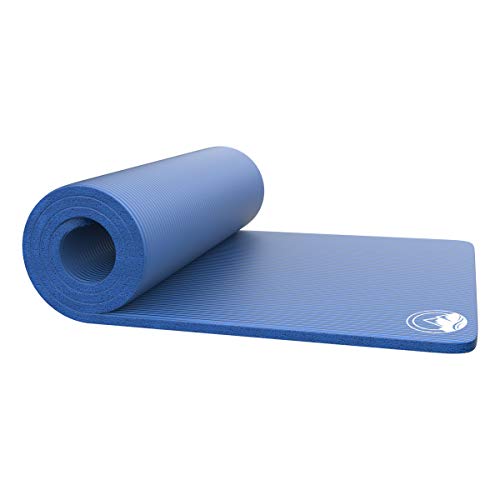
 Best for budget-conscious campersTREKOLOGY Sleeping Pad for Camping, BlueView on Amazon
- 3
 Best for cold-weather 4-season useKlymit Insulated Static V Lite ECO Sleeping Pad, AdobeView on Amazon
Our Top Picks
| Product | Best for | Key feature |
|---|---|---|
| Big Agnes Rapide SL Insulated Sleeping Pad | Backpacking and hiking in mixed seasons | Ultralight, compact design with a Pumphouse inflation sack |
| TREKOLOGY Sleeping Pad for Camping | Car camping and budget-minded campers | 4-inch thickness with a listed 7.2 R-value |
| Klymit Insulated Static V Lite ECO Sleeping Pad | Cold-weather and 4-season camping | Listed 4.2 ASTM R-value with V-chamber body mapping |
Big Agnes Rapide SL Insulated Sleeping Pad, Regular (20X72)
Big Agnes Rapide SL – Insulated Sleeping Pad, Regular (20X72) | Ultralight, compact design for all-season backpacking and hiking with a Pumphouse inflation sack and heat-reflective film
Best for: Backpacking and hiking in mixed seasons where pack weight matters most.
This pad suits hikers and backpackers who count every ounce and still want insulation for cool nights. Its regular size measures 20 by 72 inches, which fits most adults of average height comfortably.
Key specs
- Size: Regular, 20 x 72 inches
- Design: Ultralight, compact construction for all-season use
- Inflation: Pumphouse inflation sack
- Insulation feature: Heat-reflective film
Pros
- Light and compact for its insulation class
- The Pumphouse sack speeds up inflation without a separate pump
- Heat-reflective film helps hold warmth in cool conditions
Cons
- Regular length may be short for taller sleepers
- Ultralight pads generally have less cushioning than thicker foam or air designs
Bottom line: A strong pick for backpackers who want a light, packable insulated pad for three seasons or cool shoulder nights.
View on AmazonTREKOLOGY Sleeping Pad for Camping, Blue
TREKOLOGY Sleeping Pad for Camping– Ultra-Lightweight, 4" Thick Camping Mat with 7.2 R-Value for All Seasons (Blue)
Best for: Car camping and budget-minded campers who want thick cushioning and a solid warmth rating.
This pad is aimed at campers who sleep in a tent at a campsite or in a vehicle, where pack weight matters less than comfort. The 4-inch thickness gives more padding than most ultralight pads.
Key specs
- Thickness: 4 inches
- Listed R-value: 7.2
- Designed for all-season camping
- Color: Blue
Pros
- Thick cushioning for comfortable sleep on hard ground
- Listed R-value of 7.2 suits cool-weather use
- Good fit for budget-minded buyers
Cons
- Bulkier and heavier than ultralight backpacking pads
- Owners often note that the pad takes up significant space in a pack
Bottom line: Best for campers who prioritize comfort and warmth over weight and packed size.
View on AmazonKlymit Insulated Static V Lite ECO Sleeping Pad, Adobe
Klymit Insulated Static V Lite ECO Sleeping Pad – Adobe | Lightweight, 4-Season Insulation, 4.2 ASTM R-Value, V-Chamber Body Mapping, Centering Rails, Deep Weld Zones, Flip Valve
Best for: Cold-weather and 4-season camping where insulation is the top priority.
This pad is built for campers facing near-freezing nights. Its listed ASTM R-value makes it one of the more warmth-focused options in this comparison, and the body-mapping design aims to keep sleepers centered.
Key specs
- Listed ASTM R-value: 4.2
- Design: V-chamber body mapping
- Features: Centering rails and deep weld zones
- Valve: Flip valve
- Positioning: 4-season insulation
Pros
- Listed 4.2 ASTM R-value suits colder conditions
- Centering rails help keep the sleeper in place
- Lightweight for a 4-season pad
Cons
- Lower listed R-value than the TREKOLOGY pad, so it may feel less warm in some conditions than the number suggests
- Owners sometimes mention that the flip valve takes some practice to use smoothly
Bottom line: The right choice for campers who expect cold nights and want a lightweight 4-season design with a documented R-value.
View on AmazonBuying Guide
R-value and insulation
R-value measures a pad’s resistance to heat flow. Higher numbers mean more insulation. For three-season camping, many campers look for values in the moderate range, while winter use typically calls for higher values. Check whether the manufacturer lists an ASTM test result, since that gives a more consistent basis for comparison.
Good picks for this: Klymit Insulated Static V Lite ECO Sleeping Pad, TREKOLOGY Sleeping Pad for Camping
Packed size and weight
If you carry your gear, check the packed dimensions and weight before buying. Ultralight insulated pads pack small but may offer less cushioning. Thicker pads add comfort but take up more room in a pack.
Good picks for this: Big Agnes Rapide SL Insulated Sleeping Pad, Klymit Insulated Static V Lite ECO Sleeping Pad
Length and fit
Measure your height and compare it to the pad’s listed length. A regular length of 72 inches suits many adults, but taller sleepers may want a longer size. A pad that is too short leaves feet or shoulders on cold ground.
Good picks for this: Big Agnes Rapide SL Insulated Sleeping Pad, TREKOLOGY Sleeping Pad for Camping
Inflation method
Some insulated pads use built-in or sack-based inflation, while others rely on a pump or your breath. Consider how much effort you want at the campsite and whether you need a pump that packs small.
Good picks for this: Big Agnes Rapide SL Insulated Sleeping Pad, Klymit Insulated Static V Lite ECO Sleeping Pad
Use case and season
Think about where you camp. Backpacking favors light, compact pads. Car camping and base camps allow thicker, heavier designs. Cold-weather trips call for higher insulation regardless of weight.
Good picks for this: Klymit Insulated Static V Lite ECO Sleeping Pad, TREKOLOGY Sleeping Pad for Camping
Durability and puncture resistance
Thin fabrics and lightweight materials can be more prone to punctures. Look for denier ratings and read owner feedback about wear on rough ground. Using a footprint or ground cloth under the pad reduces abrasion.
Good picks for this: TREKOLOGY Sleeping Pad for Camping, Klymit Insulated Static V Lite ECO Sleeping Pad
Care and storage
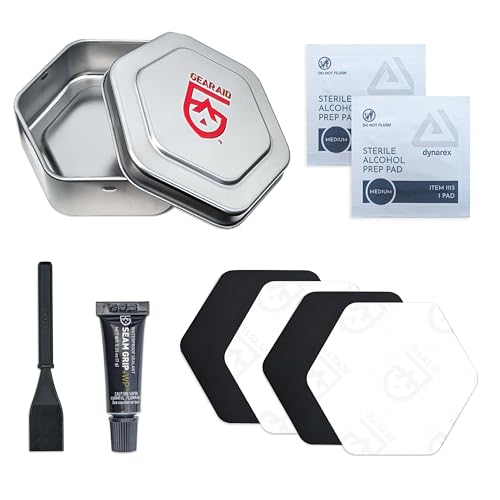
Store the pad uncompressed when possible, so the insulation keeps its loft. Dry it fully before packing to prevent mildew, and avoid storing it in hot vehicles for long periods. Patch small leaks promptly with the repair kit supplied by the manufacturer.
Good picks for this: Big Agnes Rapide SL Insulated Sleeping Pad, Klymit Insulated Static V Lite ECO Sleeping Pad
FAQ
What does an insulated sleeping pad do?
An insulated sleeping pad slows heat loss from your body to the cold ground, which is often the largest source of heat loss while camping. It also provides cushioning.
Is a higher R-value always better?
Higher R-values mean more insulation, which suits colder conditions. For mild weather, a lower R-value may be comfortable and lighter to carry. Choose based on the coldest temperatures you expect.
Can I use an insulated pad in winter?
Many pads are rated for three-season use, while 4-season designs are built for colder conditions. For winter camping, consult the manufacturer’s temperature guidance and consider consulting an experienced outdoor guide for trip-specific advice.
How do I choose the right length?
Compare your height to the listed length. Choose a pad that fully supports your body from shoulders to feet, or consider a longer size if you are tall.
Do insulated pads need a pump?
Some models include a sack-style or built-in inflation system, while others require a separate pump or manual inflation. Check the inflation design before buying.
How should I clean an insulated sleeping pad?
Wipe the surface with a damp cloth and mild soap, rinse lightly, and air-dry completely before storing. Avoid harsh chemicals that can damage the fabric or coatings.
How do I find a slow leak?
Inflate the pad, then listen and feel for escaping air around seams and the valve. A soapy water test can help reveal bubbles at the leak point.
Conclusion
For most backpackers who want a light, compact insulated pad, the Big Agnes Rapide SL Insulated Sleeping Pad is a strong fit. Campers who value thick cushioning and a solid warmth rating at a budget-friendly level may prefer the TREKOLOGY Sleeping Pad for Camping. For cold-weather and 4-season trips where insulation comes first, the Klymit Insulated Static V Lite ECO Sleeping Pad is the most warmth-focused of the three. Match the pick to your season, pack size and sleeping comfort needs.
Sources
- Product safety guidance and recall information relevant to camping gear (cpsc.gov)
- Outdoor safety and low-impact camping practices for national park visitors (nps.gov)
- Standards information, including the test methods behind listed R-values
Related reading
- Tensor All Season Ultralight Insulated Sleeping Pad (2026): Which Should You Choose?
- Nemo Tensor All-season Ultralight Insulated Sleeping Pad: A Practical Guide (2026)
- Klymit Insulated Hammock V Sleeping Pad (2026): Which Should You Choose?
- Sleeping Pad R-Value Explained: How Much Insulation You Need
- Sleeping Bag Liners, Pumps and Pad Couplers Explained
- Self-Inflating Sleeping Pads: How They Work and How to Care for Them
- How to Find and Patch a Leak in an Air Sleeping Pad
About Audrey Hayes
Audrey Hayes is part of our editorial team and reviews and edits our camping equipment guides, checking product details against manufacturer specifications and owner feedback.