The only safe way to light the inside of a tent is with battery-powered or rechargeable LED lights. Candles, fuel-burning lanterns, and heaters produce flames, heat, and carbon monoxide that can quickly turn a tent into a fire hazard. This guide covers the tent lights that work well, how to hang them, and how to keep batteries safe around children.
Why Battery-Powered LED Lights Are the Only Safe Choice
Tent fabric is combustible, and most tents carry a warning about keeping flames and heat sources away from the shelter. A single flame from a candle or fuel lantern can ignite the fabric, and fuel-burning devices release carbon monoxide, which is odorless and deadly in a confined space. Even a small alcohol stove or a heater meant for outdoor use can produce enough carbon monoxide to cause serious harm.
Battery-powered LED lights produce little heat and no fumes. They run cool, which means you can hang them close to the roof of the tent without worrying about melting or scorching the fabric. Always follow the manufacturer’s instructions for your tent and for any lighting device you plan to use inside.
Types of Tent Lighting to Consider
There are several styles of battery-powered and rechargeable lights, and each works well in a different way. You may want one type for general lighting and another for reading or finding items after dark.
Hanging Lanterns
A hanging lantern provides soft, all-around light and is the easiest option to attach to a gear loop or ceiling hook. Many models have a built-in loop, a folding hook, or a strap that wraps around a tent pole. They shine light downward and outward, which makes them ideal for lighting the whole tent. Look for a compact lantern with a low and high setting so you can adjust the glow. For more details on what to look for, see this guide to choosing a camping lantern.
String Lights
Battery-powered LED camping string lights are a popular choice for ambient lighting. They are lightweight, easy to drape along the ridgeline or across the ceiling, and they create a pleasant camping mood. Choose string lights with a small battery pack that can be clipped or tucked out of the way. Avoid any string lights that plug into household current, because extension cords and adapters can be a shock hazard in a damp tent.
Clip and Magnet Lights
Clip lights have a small clamp or alligator clip that attaches to a tent pole, a gear hammock, or a strap. Magnet lights are less common for tents, since most tent materials are not magnetic, but they can be useful if you have a metal table or a folding bike nearby. These lights work well as task lights for reading, sorting gear, or cooking outside the tent.
Headlamps and Flashlights
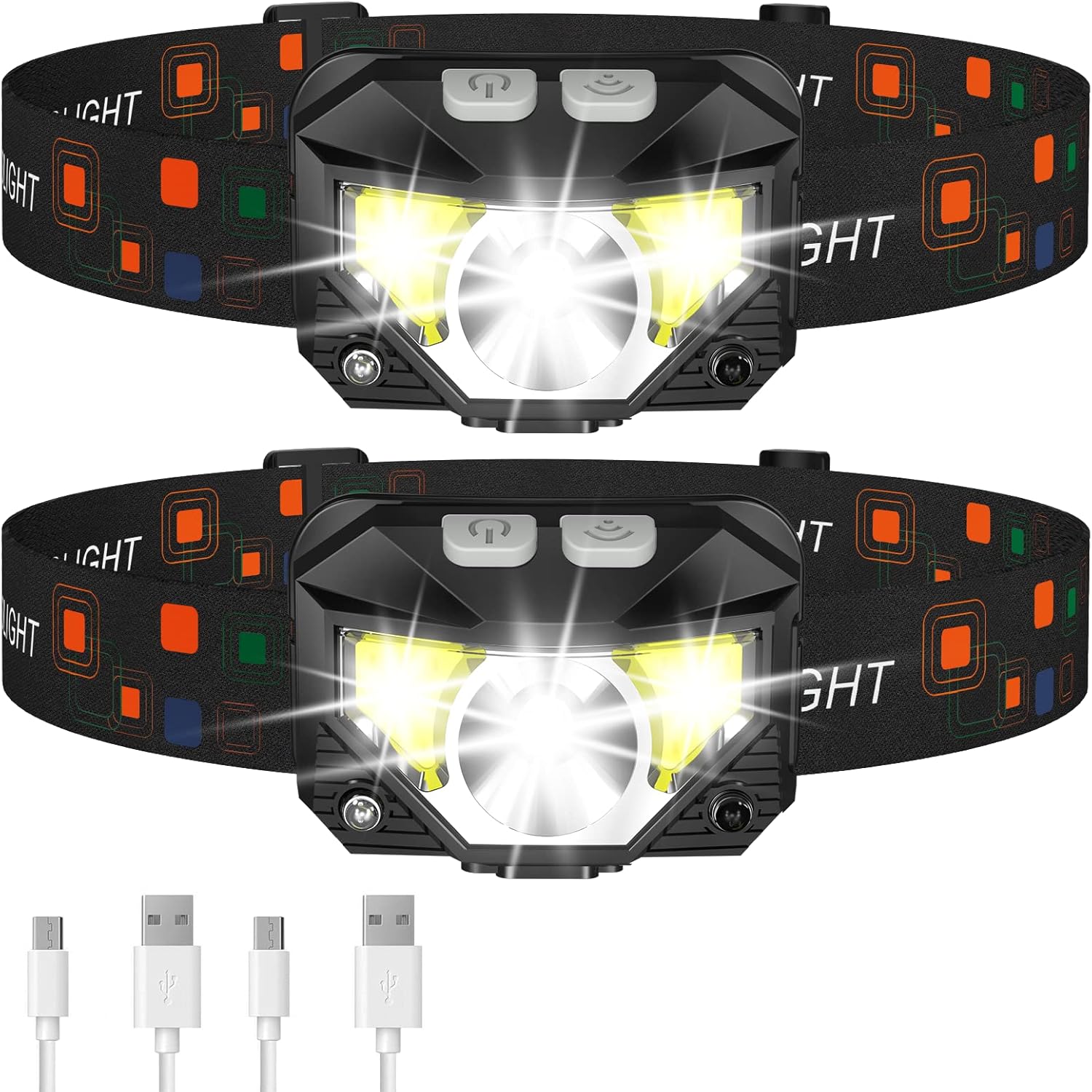
A headlamp is one of the most versatile lighting tools you can bring, even though it is not a tent light. Wear it for hands-free work, or hang it from a gear loop with a small carabiner to create a directional work light. Flashlights are also useful, especially ones with a wide beam and a low setting. For more information, check this guide to choosing a camping flashlight.
Features That Actually Matter
Not every light is equal, and a few simple features can make a big difference at night. The table below outlines which features matter and why.
| Feature | Why It Matters | What to Look For |
|---|---|---|
| Dimming | Bright light can be harsh at night and drain batteries quickly. | Multiple brightness levels or a smooth dimmer. |
| Warm color | Warm white light is easier on your eyes than a cool blue tint. | Color temperature in the warm range or a low setting. |
| Red mode | Red light preserves your night vision and draws fewer insects. | A dedicated red or night-light mode. |
| Battery indicator | Lets you know when to charge or change batteries before they fail. | Simple LED indicator or a low-battery warning. |
| Hanging loop | Makes it easy to attach the light to a gear loop or strap. | A built-in hook, D-ring, or loop that can hold the light securely. |
| Lock or switch cover | Prevents the light from turning on and draining batteries while packed. | A twist-lock switch, a recessed button, or a battery disconnect. |
Warm color and red mode are especially useful for families. A warm dim glow does not interrupt the dark-adapted eyes of other campers, and red mode helps you move around without waking everyone. When you shop, compare the spec sheet for brightness settings and run time, but trust your own judgment about the color and simplicity of the controls.
How to Hang Lights Safely Inside a Tent
Hanging lights correctly is just as important as choosing the right light. Here is a safe way to set up interior lighting.
- Locate the gear loops or ceiling loops that are stitched into your tent. Most tents have at least one near the center of the ceiling, and many have extra loops along the sides.
- Use a lightweight carabiner or a hook-and-loop strap to attach the light. Make sure the connection is secure so the light cannot swing loose or fall during the night.
- Keep the light away from direct contact with the tent fabric. Even though LED bulbs run cool, a hanging light can rub against the fabric if the tent moves in the wind, so give it a little clearance.
- Run string lights along the ridgeline or a pole, not directly across the fabric. Use the clips or loops that come with the string light set, and tuck the battery pack into a pocket or hang it from a gear loop.
- If you use adhesive hooks or clips, check the manufacturer’s instructions for both the hook and the tent. Some adhesives can damage tent coatings or leave sticky residue.
- Remove hanging lights before you take down the tent, so you do not accidentally tear a loop or pull a pole out of place.
For a simple overhead glow, a tent light with a built-in hanging loop is easy to attach to a gear loop and just as easy to remove in the morning.
Battery Safety Around Children
Batteries and small parts are a real concern when kids sleep in the same tent. Children may reach for a light out of curiosity, and a loose battery can be a choking hazard or worse. Keep a few straightforward habits in mind.
Keep Lights Out of Reach
Hang lights high enough that a young child cannot grab them from a sleeping bag or cot. Secure the hanging point above shoulder height when you are sitting or lying down. If a light falls, it could startle a child or create a mess, so check the attachment before sleep. During the day, keep spare lights and batteries stored in a sealed container inside a zipped pack.
Secure Battery Compartments
Choose lights that have a screw-locked battery compartment rather than a flimsy snap-on cover. This prevents small hands from prying open the compartment by accident. If you already own lights with slide-out battery holders, check the covers regularly to make sure they are not cracked or worn.
Button batteries are extremely dangerous if swallowed, and they can be found in some small LED lights and remote controls. Keep all button batteries in a child-resistant container, and never leave a loose battery anywhere inside the tent.
Charging Rechargeables
Charge rechargeable lights and power banks outside the sleeping area, preferably in a dry, well-ventilated spot at your campsite or vehicle. Do not charge a device inside a sleeping bag or under a pillow, because heat can build up. Follow the manufacturer’s charging instructions, and unplug the device once it is fully charged.
Storing and Disposing of Batteries
Store batteries in their original packaging or in a sealed battery holder. Do not carry loose batteries in a pocket with coins or metal keys, since that can create a short circuit. If a battery leaks, wear gloves, dispose of it according to the battery manufacturer’s instructions, and clean the light’s contact points with a dry cloth.
Common Mistakes to Avoid
- Using candles, fuel lanterns, or any flame inside a tent, even briefly.
- Letting lights rest directly against tent fabric or a sleeping bag for long periods.
- Hanging a heavy light from a weak loop that was designed for hanging clothes.
- Using lights with frayed cords, cracked plastic, or exposed wiring.
- Leaving a light on while you are outside the tent, which wastes batteries.
- Ignoring the tent’s warning labels and the manufacturer’s instructions for the light itself.
Care and Cleaning
With simple care, your LED tent lights can last for many trips. Wipe the exterior with a soft dry cloth to remove dust and condensation. Do not submerge the light or the battery pack in water. Remove batteries if you are storing the light for a long stretch, and recharge built-in battery lights when the indicator shows that the battery is low. Inspect the cord and connectors on string lights before each use, and retire any light that shows signs of damage.
FAQ
Can I use a regular flashlight as a tent light?
Yes. Prop it on a flat surface, hang it from a gear loop with a lanyard, or use the low and red settings if available. Make sure the flashlight has a wrist strap or small loop so you can attach it securely.
Is it safe to use string lights inside a tent?
Battery-powered LED string lights are safe when hung along the ridgeline or pole and kept away from fabric contact. Avoid string lights that run on household current, because the wiring and plug are not designed for the damp, flexible conditions inside a tent.
What about battery-powered candles or lanterns?
Battery-powered LED candles and lanterns are safe inside a tent as long as they remain cool to the touch and are kept out of children’s reach. Never burn a real candle or use a fuel-burning lantern indoors.
How do I keep batteries away from children?
Choose lights with screw-locked battery compartments, store batteries in a sealed container, keep the container zipped inside another bag, and supervise older children when they change batteries.
Safe tent lighting comes down to a few simple habits: choose battery-powered or rechargeable LED lights, hang them from sturdy loops, keep them clear of fabric, and store batteries securely. Follow the manufacturer’s instructions for every light you use, and your tent will stay comfortable and hazard free all night.