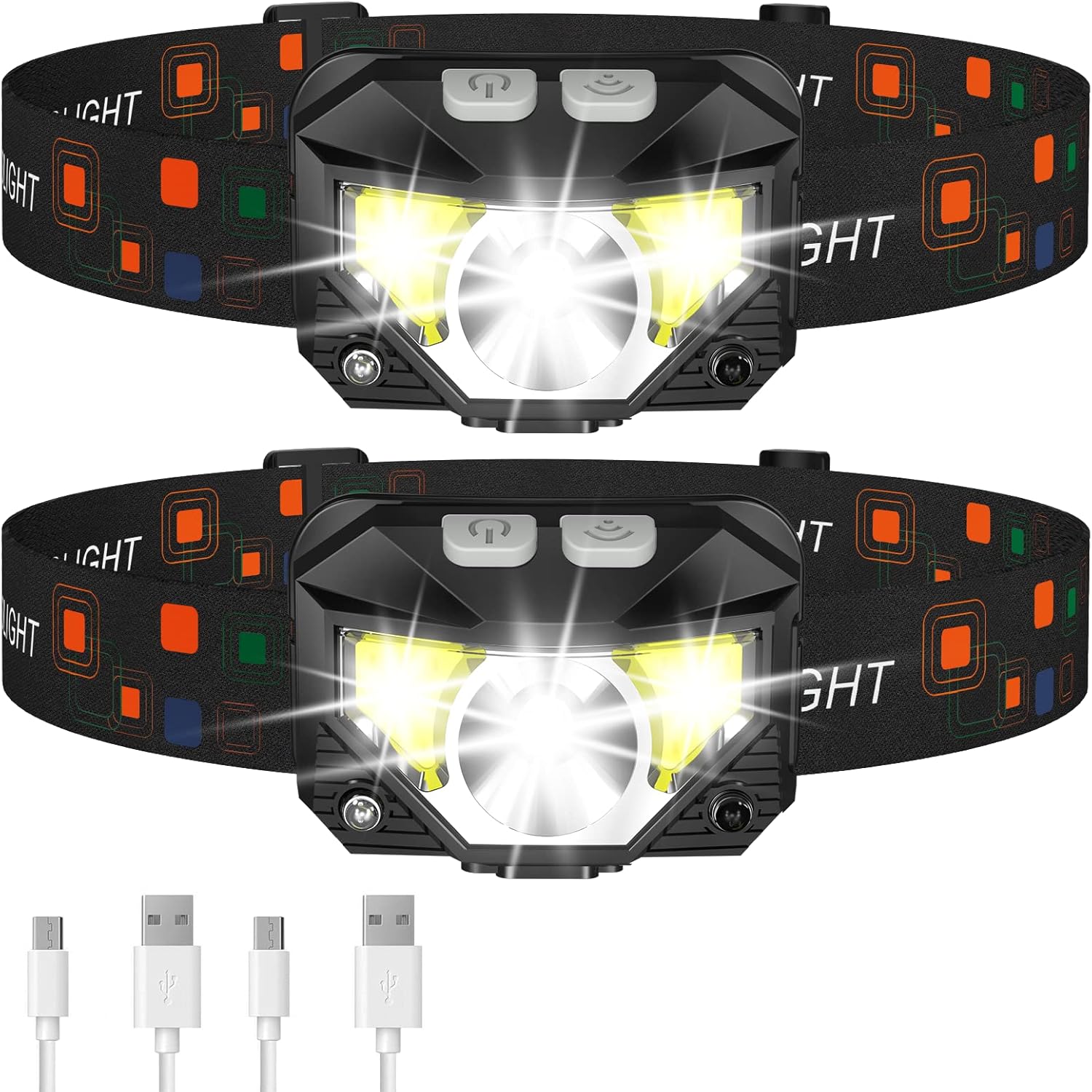
Choosing the right camping lantern means balancing brightness, light quality, and a power source that matches your trip. You need enough light for cooking and card games, a warm or neutral color that doesn’t strain your eyes, and a battery type that lasts as long as you need it. This article walks you through lumens and light spread, runtime and dimming, bulb color, battery options, charging features, physical design, and water resistance so you can pick a lantern that fits your camping style. You’ll also learn why fuel lanterns belong outside your tent.
How Bright Is Bright Enough
Brightness for camping lanterns is measured in lumens. For a typical campsite table where you eat, play games, or read, a common rule of thumb is that 100 to 300 lumens provides comfortable illumination. A 100-lumen lantern will light a small table and a few square feet around it, while 300 lumens can fill a larger area such as a picnic table and the ground nearby.
For inside a tent, you generally need less light. A range of 50 to 150 lumens is usually sufficient for changing clothes, reading, or organizing gear without creating harsh shadows. If you want to light up a larger common area, such as a camp kitchen or a group seating space, 400 to 600 lumens can work well.
Be aware that many lanterns advertise a maximum lumen output, but they run at that brightness only for a short time before dimming. The maximum setting may also create a concentrated hotspot rather than a broad, even glow. Diffused light, which spreads softly, often makes a campsite feel brighter than a tight beam with the same lumen number. When comparing models, look for real-world descriptions of light spread or beam angle rather than only the peak lumen figure.
Runtime Claims and Dimming
Runtime is the number of hours a lantern will produce light before the battery is depleted. Manufacturers often test runtime under the FL1 (Flashlight Standard) protocol, which helps you compare models fairly. Under this standard, runtime is measured from the start of operation until the light output drops to 10 percent of the initial brightness. That means a 300-lumen lantern with an advertised 20-hour runtime will not stay at 300 lumens for 20 hours; after some period it steps down to a lower output, and the timer keeps running until only 30 lumens remain.
Most LED lanterns have built-in dimming or step-down modes. Some automatically reduce brightness as the battery drains, while others let you manually choose between high, medium, and low settings. For a weekend trip, a lantern that offers at least 8 to 12 hours on medium (around 100-200 lumens) is practical. You can always carry spare batteries or a power bank for longer trips.
Step-down dimming is important for safety and convenience. If a lantern holds its full brightness until the battery suddenly dies, you could be left in total darkness without warning. A lantern that gradually dims gives you time to switch to a lower mode or swap in fresh batteries. When reading runtime numbers, check whether the figure is for the highest setting or for a medium or low mode. Higher settings consume battery power much faster.
Light Color and Glare
The color of light is measured in Kelvins. Cool white light (5000K to 6500K) looks crisp and bluish, similar to daylight on an overcast afternoon. Warm white light (2700K to 3500K) has a yellowish or amber tone, like an old incandescent bulb or candlelight. Neutral white (3500K to 4500K) falls in between.
For camping, warm to neutral light is generally more pleasant at night. Cool white light can feel harsh and may attract more bugs. Warm light creates a relaxed atmosphere around the campsite and makes skin tones look more natural. If you need to read fine print or do detailed tasks, a neutral white light often works better than very warm light because it provides better contrast.
Glare and diffusion matter as much as color temperature. A bare LED bulb creates a small, intense spot that hurts your eyes when you look directly at it. Good lanterns use a frosted globe, a plastic diffuser, or a fabric shade to spread the light evenly. Diffused light reduces shadows and makes it easier to see across a table. Some lanterns have a built-in dimmer that lets you reduce brightness for late-night use, which helps you preserve night vision and avoid disturbing others in your tent.
If a lantern has a hanging loop or a top handle, you can position it higher than the table to cast a broader glow. Hanging it from a tent ceiling or a tree branch helps eliminate harsh shadows and glare directly in your eyes.
Rechargeable or Disposable Batteries
Camping lanterns use one of three main battery types: rechargeable internal cells (lithium-ion or lithium-polymer), standard disposable alkaline cells (AA, AAA, C, or D), or a combination of both. Each has trade-offs.
Rechargeable lanterns offer convenience because you don’t need to buy batteries. Many can be charged via a USB-C cable, which can also work with a car charger or a solar panel. Look for models that have a built-in battery level indicator so you know when to recharge. A common limitation is that once the internal battery is exhausted, the lantern is dead until you find a power source. If you are car camping and have access to a vehicle charger, this is less of a concern. For backpacking or extended trips, a rechargeable lantern that also accepts disposable batteries gives you a backup option.
Disposable battery lanterns use AA, AAA, C, or D cells. AA and AAA sizes are lightweight and easy to find, but they may drain quickly on high settings. D-cell lanterns can last a very long time but are heavier. A good approach is to choose a lantern that runs on AA batteries, then carry spares in a waterproof container. You can also use rechargeable AA or AAA batteries in these lanterns, which gives you the flexibility to swap cells or recharge them with a common charger.
Some lanterns have a hybrid design: a built-in rechargeable battery that you can supplement with disposable AA or AAA cells if the internal battery runs out. This combination is useful for trips where you may not have reliable charging opportunities.
Lanterns That Charge Phones
Many modern camping lanterns include a built-in USB power bank function. These lanterns have a larger lithium-ion battery that can charge a smartphone, a headlamp, or other small USB devices. If you are car camping and your phone battery runs low, this can be a lifesaver without needing a separate power bank.
When considering a lantern with power bank capability, check its output (usually 1 amp or 2.4 amps). A 2.4-amp output charges phones faster than a 1-amp port. Also check the lantern’s total battery capacity. A lantern with a 5000 mAh battery holds roughly enough energy for about one smartphone charge once conversion losses are counted, and that leaves the lantern itself empty. If you drain the lantern’s battery to charge your phone, you lose light. Some lanterns allow you to use them as a light while also charging a device, but this will drain the battery even faster.
If you rely on your phone for navigation or communication, a power-bank lantern is a smart addition to your camping gear. For backpacking where weight matters, you might prefer a separate small power bank and a lightweight lantern without charging capability. For family car camping, the all-in-one solution can simplify your packing.
Hanging, Standing, and Collapsible Designs
A lantern’s physical design determines where you can place it and how easy it is to pack. Most camping lanterns have a hanging hook or loop so you can suspend them from a tent ridge pole, a tree branch, or a clothesline. Hanging is usually the best way to spread light across a wide area and keep the lantern off the table where it can be knocked over.
Standing lanterns have a flat base that sits on a table or the ground. Some have a built-in collapsible stand or legs that fold out for stability. The base should be wide enough to resist tipping on an uneven picnic table. A weighted base helps, but that adds weight. If you plan to use the lantern primarily on a table, a standing design with a low center of gravity is best.
Collapsible or folding lanterns are increasingly popular. They compress into a flat or compact shape for storage and expand when you need light. Some collapse like an accordion; others twist or slide into a smaller size. These are excellent for backpacking because they take up minimal space in your pack. The trade-off is that the diffuser may be thinner and more fragile than a rigid plastic globe.
Magnets on the base are another useful feature. A magnetic lantern can attach to the roof of your car, a metal picnic table frame, or a steel pole. This gives you hands-free placement without needing a hook or a flat surface.
When choosing a design, think about where you will use the lantern most. For a large family camp, a tall standing lantern that hangs from a central point works well. For a small tent, a compact collapsible lantern that can also stand on a camp mat is practical. If you often cook or set up gear in the dark, a lantern with a magnetic base can attach to your car’s liftgate.
For more on how a lantern compares to a headlamp for different camping tasks, see our guide on camping lantern vs headlamp.
Water Resistance
Water resistance is rated by the Ingress Protection (IP) code. A rating of IPX4 means the lantern is splash-proof from any direction, which is good for light rain or splashes from a nearby creek. IPX5 or IPX6 means it can withstand a water jet or heavy rain. IPX7 means it can be submerged in up to one meter of water for 30 minutes, which is useful if you drop it in a puddle or a river.
For typical camping use, IPX4 is sufficient. You can leave it on a picnic table in a drizzle without worry. If you camp in very wet conditions, or if you might drop it in a stream, an IPX7 rating gives you peace of mind. Keep in mind that the battery compartment seals can wear over time, so check the gaskets periodically and replace them if they are cracked.
Even with a water-resistant lantern, you should avoid submerging it intentionally and never use it in heavy rain without some shelter. If you are camping in a downpour, set the lantern under your tent fly or in a sheltered corner of your camp kitchen.
For anyone building their camping gear kit, you may also find our comprehensive Camping Equipment Checklist helpful to see how a lantern fits alongside other essentials.
Why Fuel Lanterns Stay Outside the Tent
Fuel-burning lanterns (propane, butane, or liquid fuel) produce a very bright, warm light, but they also emit carbon monoxide and consume oxygen. Using a fuel lantern inside a tent, a vestibule, a camper, or any enclosed vehicle can lead to carbon monoxide poisoning, which can be fatal. Always keep fuel lanterns outside the tent and well away from fabrics, sleeping bags, and tent walls. Set them on a stable, non-flammable surface at least several feet from anything that can burn. Never bring a fuel lantern inside to warm the tent or to use as a reading light.
If you want a lantern for inside the tent, choose an LED model that runs on batteries. LED lanterns produce no fumes and very little heat, making them safe for enclosed spaces. For more information on matching your light source to your activity, read about how to choose a headlamp for camping.
FAQ
How many lumens do I need for a campsite table?
For a typical campsite table, 100 to 300 lumens is usually enough for cooking, eating, and games. The actual brightness you need depends on the table size and how diffuse the light is. A diffused 150-lumen lantern often feels brighter than a focused 200-lumen beam.
What does runtime mean on a lantern spec?
Runtime is the total time the lantern produces light until the output drops to 10% of the initial brightness, measured under the FL1 standard. The lantern will not stay at its maximum brightness for the entire runtime; it gradually dims or steps down to conserve battery.
Should I get a rechargeable or battery-powered lantern?
A rechargeable lantern is convenient for car camping and short trips where you can recharge from a vehicle or wall outlet. A battery-powered lantern using AA cells is more flexible for extended trips because you can carry spare batteries. Hybrid models that accept both are a good compromise.
Can I take a fuel lantern inside my tent?
No. Fuel-burning lanterns produce carbon monoxide and can cause a fire. They must always be used outside the tent, away from flammable materials. For inside the tent, use an LED lantern that runs on batteries.
When you are ready to find the right lighting for your next camping trip, consider a LED lantern that matches your brightness needs and battery preferences. For a more versatile setup, a rechargeable lantern that also works as a power bank can streamline your gear.
Choosing a camping lantern is about matching brightness, light quality, and power to your specific camping style. Focus on a warm or neutral diffused light with an IPX4 rating or better, pick a battery format that suits your trip length, and always keep fuel lanterns outside. A well-chosen lantern makes your campsite more comfortable and safer after dark.