Camping string lights give a campsite a comfortable, homey glow after dark, and they come in three practical power styles: battery, USB-rechargeable, and solar. This buying guide compares those power sources, explains brightness and warm color, translates water resistance ratings in general terms, and covers tree-safe hanging plus campground quiet and light rules.
What camping string lights are and who they suit
These are strands of small LED bulbs, often globe, dome, or fairy shaped, connected by a flexible wire and designed for outdoor use. They suit car campers, families, and first-timers who want a defined outdoor living space at the picnic table, under the awning, or along the tent guylines. They are decoration as much as lighting, so treat them as an atmosphere layer rather than your main task light.
If you are weighing whether string lights fit into your setup, the overview of camping string lights explains the common styles and what to expect from each. A quick browse of camping string lights shows the range of lengths, bulb shapes, and power options available today.
Power sources: battery, USB and solar
Before anything else, decide how the lights will be powered. This choice affects where you can place them, how long they run, and what you need to carry.
| Power source | Best for | What to know |
|---|---|---|
| Battery | Quick setup anywhere, no cables | Runs on replaceable batteries; check the required type and carry spares |
| USB | Sites where you already bring a power bank | Rechargeable; plan your charging routine and keep the port covered |
| Solar | Sunny base camps and longer stays | No cords, but the panel needs direct sun during the day |
Battery sets are the most flexible because they do not depend on sunlight or a charging cable. You can hang them anywhere, move them between the table and tent, and replace cells when they run low. The downside is that you need to remember the right battery size and carry extras.
USB-rechargeable lights pair naturally with the power bank you already pack for your phone. They are convenient and often include a brightness control, but they rely on the same battery you may need for other gear, so top them up during the day. For a fuller picture of how lights fit into your whole setup, see the main camping lighting guide.
Solar lights are a good choice at a sunny site where you can set the panel in open sky. They need direct light to charge, and their runtime on an overcast day will be shorter, so treat them as a base-camp option rather than a guaranteed light source. Many solar models also accept USB charging as a backup, which gives you the best of both.
Brightness and warm color
Brightness is listed in lumens, but you do not need a specific number to choose well. For gentle ambiance around a table, a low-glow set is enough. If you also want to see cards, read a book, or sort gear, you need noticeably more output, or you should pair the string lights with a proper task light. Compare the lumen figures on the label rather than guessing from bulb size.
Color matters more than most people expect. Warm white, which sits around a color temperature of roughly 2700K, looks flattering and matches the glow of a campfire. Cool white can look stark and tends to attract more flying insects. Look for sets labeled warm white, amber, or soft white, and avoid anything that looks blue or harsh. Some sets offer multiple modes, including a dim setting, which is far more useful than a single bright mode.
For reading or cooking, pair string lights with a focused light source; the how to choose a camping lantern guide explains how to match a lantern to your campsite tasks.
Water resistance ratings in general terms
Outdoor lights are rated using an IP code with two numbers. The first describes protection from solid objects, like dust; the second describes protection from water. A rating such as IPX4 means the light can handle splashes from any direction, which is usually enough for a picnic table under an awning. A higher water rating, such as IPX5 or IPX6, means the light can withstand stronger water jets. Some sets carry a combined rating that means they are dust-tight and can survive being briefly submerged, which offers even more protection for exposed campsites.
You do not need a submarine-grade light for most campgrounds, but you do want the battery case, USB port, and connections sealed. Keep the plug connections off the ground and out of puddles, and dry any wet connectors before closing the covers. If the set has a removable battery compartment, make sure the gasket is clean and seated properly. When in doubt, check the manufacturer’s instructions for weather limits.
Hanging string lights without damaging trees
Never hammer nails, screws, or staples into a tree to hang lights. The damage can harm the tree and is against the rules in many parks. Instead, use wide fabric straps, soft hook-and-loop ties, or a rope line strung between two trees at a comfortable height. Loose loops around the trunk are better than a tight wrap, because a tight wrap can cut into the bark as the tree grows.
Keep the wire off the ground where people might trip over it, and route it away from walkways and tent doorways. At the end of your trip, take the lights down completely and remove every strap or tie. Some campgrounds and public lands restrict tying anything to trees, so check the campground or land manager rules before you set up. If tying to trees is not allowed, a freestanding pole or the awning structure of a canopy works well.
Campground quiet hours and light rules
Most campgrounds have quiet hours, typically from late evening until morning. Decorative lights left on all night can disturb neighbors, especially if they shine into a tent or trailer window. Keep string lights low, point them downward, and turn them off or dim them when you head to bed. A light that is easy to switch off at the string, not just at the power source, makes this much simpler.
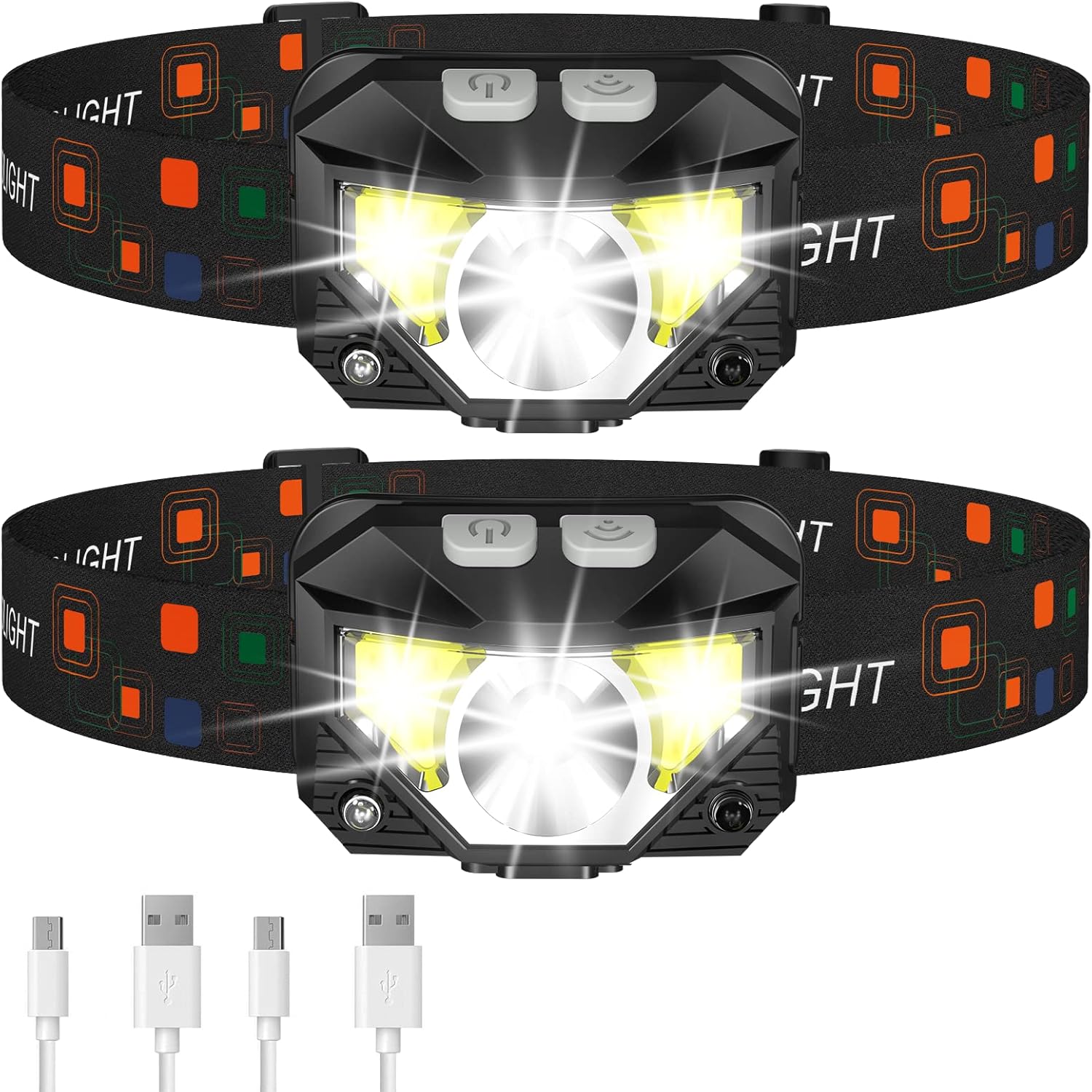
Rules about lighting vary. Some campgrounds limit the amount of decorative lighting or ban it near certain sites, and some campsites in bear country ask you to keep the area clean rather than lit. Electric string lights are not a fire source, but fire restrictions can affect other gear, so it is still worth checking current restrictions. When the campground enforces a dark-sky policy, use a single dim light near your table and switch everything else off. For moving around after quiet hours without waking anyone, a camping headlamp with a red or dim mode is a considerate choice.
Common buying mistakes
Most issues with string lights come down to a few simple oversights:
- Choosing a set only for its look without checking the power source. A beautiful solar model is useless at a shady site.
- Ignoring the weather rating and ending up with a set that cannot handle an evening drizzle.
- Assuming a short string will cover a large area. Check the described length and plan the run before you buy.
- Forgetting replacement batteries for a battery-powered set, or picking a USB model when you never carry a power bank.
- Hanging lights too tight, which stresses the wire and can damage trees when you wrap trunks.
- Plugging too many strings together or using an indoor-only set outdoors, which can create an electrical hazard.
When in doubt about the electrical side, read the packaging and follow the manufacturer’s instructions. A longer length is usually more versatile, but a set you can actually see and manage comfortably beats an oversized one that takes half the evening to hang.
Care, cleaning and upkeep
With simple care, a good set of string lights lasts through many trips. Store them loosely coiled in a dry container so the wire does not kink or tangle around other gear. Wipe the bulbs and wire with a dry cloth before packing, and let any damp sections air out fully before you close the lid.
Before each trip, inspect the wiring for cracks, exposed conductors, or a broken casing, and replace the set if you see damage. Keep the USB ports and battery compartments sealed when not in use. For solar models, wipe the panel gently with a soft, damp cloth so dirt does not block the sun. If the lights will be stored for a long stretch, remove the batteries and keep them somewhere cool and dry, following the manufacturer’s guidance for battery storage.
FAQ
Can I use string lights inside a tent?
Battery-powered or USB-rechargeable LED string lights are commonly used inside tents, because they run on low voltage and give off almost no heat. Keep the lights away from sleeping bags and tent fabric, route cords so nobody trips on them, and follow the manufacturer’s instructions. Never use a fuel-burning stove, heater, lantern, or grill inside a tent under any circumstances, and never bring a lit or cooling grill inside for warmth.
How bright should my camping string lights be?
It depends on the job. For atmosphere around the table, a soft glow is enough. For reading, card games, or cooking, compare the lumen rating and pair the string lights with a dedicated task light such as a lantern.
Why do my solar string lights go dark quickly?
Solar lights only store what the panel collects during the day. A shady site, an overcast sky, or a panel angled away from the sun will reduce the charge. Move the panel to full sun, keep the surface clean, and check the manufacturer’s instructions for the expected charging time.
Are string lights allowed in every campground?
No. Rules vary by campground, park, and season. Check with the campground host or land manager about quiet hours, decorative lighting limits, fire restrictions, and any rules against tying lights to trees.
Camping string lights are a simple way to make your site feel like your own after dark. Choose a power source that matches how you camp, look for warm light and a sensible weather rating, hang everything without harming trees, and respect your neighbors. With those basics covered, your string lights will do their job trip after trip.