
 By Audrey Hayes
Updated November 2026
Shopping for a closed cell sleeping pad usually comes down to three questions: how much insulation you need, how much the pad weighs and packs down, and whether you want to carry it on your back or leave it in the car. This guide compares six foam pads sold on Amazon US, sorted by how well each one fits those criteria. The selection method is research-based: we looked at manufacturer specifications, brand track record, and the patterns owners tend to report, rather than any hands-on testing.
Our top picks at a glance
- 1
 TOP CHOICEBest overallTherm-a-Rest Z Lite Original Camping and Backpacking Sleeping PadView on Amazon
- 2
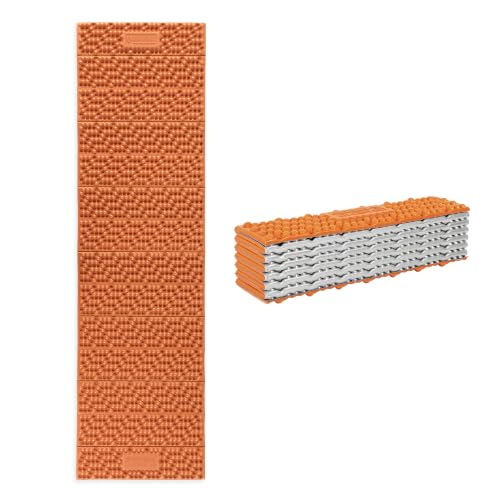 TOP CHOICEBest for thru-hikersNEMO Equipment Switchback Foam Sleeping PadView on Amazon
- 3
 TOP CHOICEBest for cold-weather insulationREDCAMP 72"x22"x0.75" Foldable Foam Camping Pads for SleepingView on Amazon
- 4
 Best for ultralight packingUltralight Foam Sleeping Pad, Waterproof Closed Cell Foam Pad for Superior InsulationView on Amazon
- 5
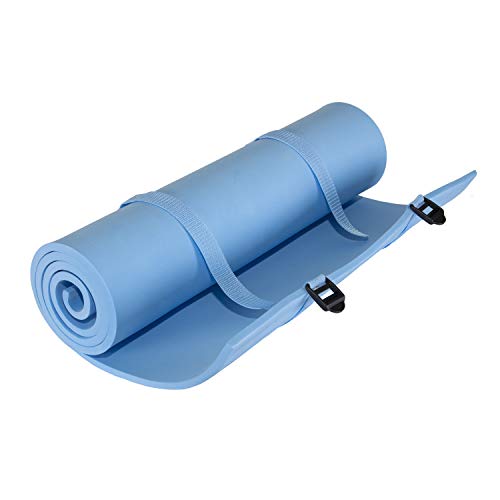 Best for rough groundStansport Pack Lite Camping & Backpacking Sleeping PadView on Amazon
- 6
 Best budget pickFoam Camping Pads for Sleeping, Foldable Closed Cell Foam Camping MattressView on Amazon
Our Top Picks
Quick Comparison
| Product | Best for | Key feature |
|---|---|---|
| Therm-a-Rest Z Lite Original | General backpacking | Long-running trail design with a well-known closed cell build |
| NEMO Equipment Switchback Foam Sleeping Pad | Thru-hiking and mountaineering | Packable, insulated foam that folds into a compact roll |
| REDCAMP Foldable Foam Camping Pad | Cold-weather use | Listed R-value of 2.1 for added ground insulation |
| Ultralight Foam Sleeping Pad (Blue) | Minimal pack weight | Compact folding design for easy storage |
| Stansport Pack Lite Camping Sleeping Pad | Rocky or uneven campsites | Roll-up design with straps and a puncture-resistant surface |
| Foam Camping Pad, Foldable Closed Cell | Budget-minded campers | Waterproof foam that works for car camping and light trips |
Therm-a-Rest Z Lite Original Camping and Backpacking Sleeping Pad
Therm-a-Rest Z Lite Original Camping and Backpacking Sleeping Pad | Ultralight, durable trail comfort with Z Lite Sleeping Pad
Best for: General three-season backpacking where a reliable, well-known closed cell pad matters most.
This is a good first closed cell pad for someone who wants a familiar, widely used design. Owners often describe it as a dependable choice for trail use without the bulk of a full air pad.
Key specs
- Closed cell foam construction
- Designed for backpacking and camping use
- Lightweight roll-up format for carrying on a pack
Pros
- Durable, widely recognized foam design
- Waterproof surface that handles damp ground well
- Easy to strap to the outside of a pack
Cons
- Less cushioning than inflatable pads on hard ground
- Can feel firm for side sleepers
Bottom line: A solid default choice for backpackers who want a proven closed cell pad at a fair weight.
View on AmazonNEMO Equipment Switchback Foam Sleeping Pad
NEMO Equipment Switchback Foam Sleeping Pad – Sunset Orange – Regular | Ultralight, Insulated, Packable, Durable, for Backpacking & Mountaineering
Best for: Thru-hiking and mountaineering trips where packability and insulation both count.
Hikers who plan multi-week routes or colder alpine camps often look at this model because the foam folds into a tight roll. It suits people who want one pad that can handle a range of conditions.
Key specs
- Closed cell foam with a folding Switchback design
- Regular length format
- Designed for backpacking and mountaineering
Pros
- Folds compactly for pack storage
- Insulating foam core
- Durable surface for repeated trail use
Cons
- Regular length may not reach the feet of taller sleepers
- Firmer than air-based pads
Bottom line: Best for hikers who prioritize packability and insulation on longer routes.
View on AmazonREDCAMP 72″x22″x0.75″ Foldable Foam Camping Pads for Sleeping
REDCAMP 72"x22"x0.75" Foldable Foam Camping Pads for Sleeping, Waterproof Closed Cell Foam Camping Sleeping Pad – Ultra-Lightweight for Hiking & Backpacking, R-2.1 Insulated, Royal Blue 1 Pack
Best for: Cold-weather camping where extra ground insulation is the priority.
Campers who sleep on frozen or cold ground often choose a pad with a higher R-value. The manufacturer lists this model with an R-value of 2.1, which makes it a reasonable option for cool-season trips.
Key specs
- Dimensions: 72 x 22 inches
- Thickness: 0.75 inches
- Listed R-value: 2.1
- Closed cell foam, waterproof
Pros
- Listed R-value suits cooler conditions
- Foldable format for storage
- Full-length coverage for most adult sleepers
Cons
- Thicker profile takes more pack space than thinner pads
- Foam can feel firm on rocky terrain
Bottom line: Good pick for shoulder-season and cold-weather campers who want a closed cell pad with a stated insulation rating.
View on AmazonUltralight Foam Sleeping Pad, Waterproof Closed Cell Foam Pad for Superior Insulation
Ultralight Foam Sleeping Pad, Waterproof Closed Cell Foam Pad for Superior Insulation, Folding Sleeping Mat for Compact Storage, Foldable and Portable for Hiking and Camping (Blue)
Best for: Weight-conscious hikers who want the lightest foam option they can carry.
This pad targets people who count every ounce. Its folding design keeps it small enough to fit inside or strapped to a daypack for shorter trips.
Key specs
- Closed cell foam construction
- Waterproof surface
- Foldable design for compact storage
Pros
- Light enough for fast-and-light trips
- Waterproof foam resists moisture from the ground
- Folds down small for pack storage
Cons
- Thinner foam may offer less cushioning
- Limited padding on hard surfaces
Bottom line: A strong fit for ultralight hikers and bikepackers who accept less cushioning for lower weight.
View on AmazonStansport Pack Lite Camping & Backpacking Sleeping Pad
Stansport Pack Lite Camping & Backpacking Sleeping Pad – Lightweight Closed Cell Foam Mat – Waterproof & Puncture-Proof – Roll-Up Portable Design for Hiking & Outdoor Sleep – Straps Included
Best for: Campers who sleep on rocky, uneven, or abrasive ground.
The roll-up design and straps make this pad easy to carry, and its puncture-resistant surface suits sites with sharp gravel or roots. It is a practical choice for campers who prefer durability over minimal weight.
Key specs
- Closed cell foam construction
- Roll-up design with straps included
- Waterproof and puncture-resistant surface
Pros
- Puncture-resistant outer layer
- Straps included for easy carrying
- Works well for camp, trail, and backyard use
Cons
- Heavier than many ultralight foam pads
- Bulkier when rolled than folding designs
Bottom line: Best for campers who put a higher premium on durability than on carry weight.
View on AmazonFoam Camping Pads for Sleeping, Foldable Closed Cell Foam Camping Mattress
Foam Camping Pads for Sleeping, Foldable Closed Cell Foam Camping Mattress, Waterproof Outdoor Sleeping Mat for Ultralight Backpacking Thru-Hiking
Best for: Budget-minded campers who want a basic closed cell pad for occasional trips.
For weekend campers, kids’ camps, or a spare pad for the car, this foldable foam option covers the basics without a premium build. It is a sensible starting point for people new to foam pads.
Key specs
- Closed cell foam construction
- Foldable design
- Waterproof outer surface
Pros
- Accessible option for occasional use
- Waterproof foam for damp ground
- Foldable for simple storage
Cons
- Build quality may not match premium brands for heavy use
- Less insulation than higher-R-value pads
Bottom line: Good value for casual campers; heavy-use backpackers may want a more established brand.
View on AmazonBuying Guide
Insulation and R-Value
R-value measures how well a pad resists heat loss to the ground. Higher numbers mean more insulation. Summer pads often sit around R-1 to R-2, while cold-weather pads commonly reach R-4 or higher. Check the manufacturer’s stated rating before buying, and remember that ratings are self-reported and can vary by test method. For more detail, see Sleeping Pad R-Value Explained: How Much Insulation You Need.
Good picks for this: REDCAMP Foldable Foam Camping Pad, NEMO Equipment Switchback Foam Sleeping Pad
Thickness and Comfort
Closed cell foam is usually thinner than inflatable pads, often between about 0.5 and 1 inch. Thicker foam feels more comfortable on hard ground but adds bulk. Side sleepers tend to notice pressure points more than back sleepers do, so consider your sleeping position. For side sleepers specifically, see Best Sleeping Pad for Side Sleepers: What to Look For (2026).
Good picks for this: REDCAMP Foldable Foam Camping Pad, Therm-a-Rest Z Lite Original Camping and Backpacking Sleeping Pad
Weight and Packability
Every ounce matters on a multi-day hike. Folding pads pack smaller than rolled ones, but they may be slightly heavier. Measure your pack’s external attachment points before buying, since some pads strap on the outside and others need to fit inside.
Good picks for this: Ultralight Foam Sleeping Pad (Blue), NEMO Equipment Switchback Foam Sleeping Pad
Size and Fit
Check the length against your height. Regular lengths around 72 inches suit most adults under about 6 feet. Taller sleepers may need a longer pad or a pad that extends under the feet. Width matters for shoulders and hips; 20 to 22 inches is common for single sleepers.
Good picks for this: REDCAMP Foldable Foam Camping Pad, Foam Camping Pad, Foldable Closed Cell
Durability and Puncture Resistance
Foam pads hold up well to repeated folding, but sharp rocks and roots can still cause damage. A tougher outer surface helps on rough terrain. Read owner reports about wear patterns, and inspect the pad after each trip.
Good picks for this: Stansport Pack Lite Camping Sleeping Pad, Therm-a-Rest Z Lite Original Camping and Backpacking Sleeping Pad
Use Case and Season
A pad for summer car camping does not need to match one for winter mountaineering. Match the R-value and thickness to the coldest nights you expect. If you plan to use the pad in a truck bed or vehicle, see Truck Bed Sleeping Pad (2026): Which Should You Choose?.
Good picks for this: NEMO Equipment Switchback Foam Sleeping Pad, Foam Camping Pad, Foldable Closed Cell
Care and Storage
Let the pad dry fully before rolling or folding it, and store it loosely rather than compressed for long periods. Keep it away from direct sunlight and heat, which can degrade foam over time. Clean with mild soap and water.
Good picks for this: Therm-a-Rest Z Lite Original Camping and Backpacking Sleeping Pad, Stansport Pack Lite Camping Sleeping Pad
FAQ
What is a closed cell sleeping pad?
A closed cell sleeping pad is made from foam with sealed, non-connected air cells. Because the cells do not let air or water pass through, these pads are waterproof and do not lose air over time.
Is a closed cell sleeping pad warm enough for winter?
It depends on the R-value and the temperature. Pads with higher R-values insulate better against cold ground. For sub-freezing camping, check manufacturer specifications and consider layering a pad with a higher rating. Consult a professional guide for winter expedition planning.
How thick should a closed cell foam pad be?
Many closed cell pads fall between about 0.5 and 1 inch thick. Thicker pads feel more comfortable but take up more pack space. Choose based on your sleeping position and the ground you expect to sleep on.
Can I use a closed cell pad for car camping?
Yes. Many campers use foam pads in tents, truck beds, and under cots. Their durability and waterproof surface make them practical for car camping, even when weight is less important.
How do I clean a closed cell sleeping pad?
Wipe it with a damp cloth and mild soap, rinse lightly, and air dry completely before storing. Avoid harsh solvents, which can damage foam. Store the pad loosely to preserve its shape.
Do closed cell pads wear out?
Foam can compress, crack, or tear with heavy use, especially on sharp ground. Inspect the pad before each trip. Replacing a worn pad is usually better than sleeping on one that no longer insulates well.
Conclusion
For general backpacking, the Therm-a-Rest Z Lite Original is a dependable, widely used option. Thru-hikers who prioritize packability should look at the NEMO Equipment Switchback. Cold-weather campers will find the stated R-value of the REDCAMP useful. Weight-focused hikers may prefer the Ultralight Foam Sleeping Pad, rough-ground campers the Stansport Pack Lite, and budget buyers the foldable foam option. Match the pad to your season, sleeping position, and terrain, and check specifications directly before you buy.
Sources
- Guidance on backcountry camping practices and campsite conditions on National Park Service lands (nps.gov)
- Cold weather safety and hypothermia prevention information relevant to outdoor sleeping (cdc.gov)
- Leave No Trace principles for gear care and low-impact camping
Related reading
- Closed-Cell Foam Sleeping Pads: Pros, Cons and Uses
- How Does Self Inflating Sleeping Pad Work? Open-Cell vs Closed-Cell (2026)
- 5 Best Closed-Cell Foam Sleeping Pads for Backpacking (2026)
- Sleeping Bag Liners, Pumps and Pad Couplers Explained
About Audrey Hayes
Audrey Hayes is part of our editorial team and reviews and edits our camping equipment guides, checking product details against manufacturer specifications and owner feedback.






