
 By Audrey Hayes
Updated November 2026
Choosing a mountain hardwear sleeping bag comes down to three things: the temperature rating that matches your coldest nights, the insulation type that suits your packing and moisture conditions, and a length and zip layout that fits your body. This guide compares five models from the brand’s current lineup, weighing warmth ratings, fill type, fit and the patterns owners tend to report, so you can narrow the field before you buy.
Our top picks at a glance
- 1
 TOP CHOICEBest overallMountain Hardwear, Bishop Pass Windstopper Sleeping Bag: -15F Down, FrView on Amazon
- 2
 TOP CHOICEBest for wet or humid campsMountain Hardwear Lamina Sleeping Bag: -20F Synthetic, Fiery Red, Reg/Left ZipView on Amazon
- 3
 TOP CHOICEBest for women who sleep coldMountain Hardwear, Alamere Sleeping Bag: 20F Synthetic – Women's, LighView on Amazon
- 4
 Best for deep winter tripsMountain Hardwear Lamina 2095151710REG 0F/-18C Electron YellowView on Amazon
- 5
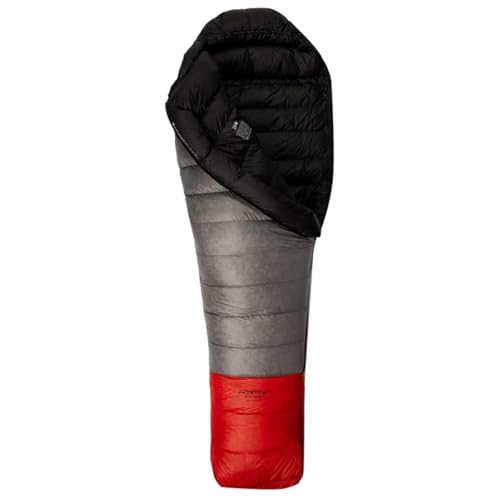 Best for lightweight cold-weather packingMountain Hardwear Phantom 0F Down Sleeping Bag, Glacial, Reg/Right ZipView on Amazon
Our Top Picks
Quick Comparison
| Product | Best for | Key feature |
|---|---|---|
| Mountain Hardwear Bishop Pass Windstopper Sleeping Bag | All-around cold-weather camping | -15F down fill with a wind-resistant shell |
| Mountain Hardwear Lamina Sleeping Bag | Damp conditions and shoulder seasons | -20F synthetic insulation |
| Mountain Hardwear Alamere Sleeping Bag | Women and cold sleepers | 20F synthetic fill in a women’s cut |
| Mountain Hardwear Lamina 0F/-18C Sleeping Bag | Deep winter trips | 0F/-18C synthetic rating |
| Mountain Hardwear Phantom 0F Down Sleeping Bag | Weight-conscious cold-weather trips | 0F down fill for low packed weight |
Mountain Hardwear Bishop Pass Windstopper Sleeping Bag: -15F Down, Fresh Apricot, Long/Left Zip
Mountain Hardwear, Bishop Pass Windstopper Sleeping Bag: -15F Down, Fresh Apricot, Long/Left Zip
Best for: All-around cold-weather camping
This is a good fit for campers who face variable conditions and want one bag that handles windy ridgelines and cold nights at a campsite. The long length suits taller sleepers who find standard bags restrictive at the feet.
Key specs
- Temperature rating: -15F (as listed)
- Fill: down
- Length: long
- Zip: left
Pros
- Down fill generally offers strong warmth for its weight
- Windstopper shell helps retain heat in exposed sites
- Long length accommodates taller frames
Cons
- Down loses insulating value if it gets soaked and is slow to dry
- Long, warm bags can be bulky in a small pack
Bottom line: Pick this if you want one versatile down bag for mixed-weather trips and you are on the taller side.
View on AmazonMountain Hardwear Lamina Sleeping Bag: -20F Synthetic, Fiery Red, Reg/Left Zip
Mountain Hardwear, Lamina Sleeping Bag: -20F Synthetic, Fiery Red, Reg/Left Zip
Best for: Damp conditions and shoulder seasons
Campers in humid climates, coastal areas or rainy shoulder seasons often prefer synthetic insulation because it keeps some warmth when damp. This model suits people who would rather accept a slightly heavier bag than risk losing loft to moisture.
Key specs
- Temperature rating: -20F (as listed)
- Fill: synthetic
- Length: regular
- Zip: left
Pros
- Synthetic fill retains insulation better when wet
- Regular length suits average-height sleepers
- Generally easier care than down
Cons
- Typically heavier and bulkier than a comparable down bag
- Synthetic loft tends to compress over time in storage
Bottom line: A strong choice for wet climates and users who value moisture resistance over minimal pack weight.
View on AmazonMountain Hardwear Alamere Sleeping Bag: 20F Synthetic – Women’s, Light Icelandic, Reg/Left Zip
Mountain Hardwear, Alamere Sleeping Bag: 20F Synthetic – Women's, Light Icelandic, Reg/Left Zip
Best for: Women and cold sleepers
Women’s cuts typically shape the bag around narrower shoulders and hips and add insulation where many women find they lose heat. This model is aimed at campers who run cold and want a 20F rating in a fitted design.
Key specs
- Temperature rating: 20F (as listed)
- Fill: synthetic
- Cut: women’s
- Length: regular
Pros
- Women’s cut reduces dead air around the torso
- Synthetic fill is easier to care for
- Regular length fits many average-height users
Cons
- A 20F rating is not suited to very deep winter camping
- Fitted cuts leave less room for layering or sleeping on the side
Bottom line: A good match for fall and spring campers, especially women who sleep cold and want a bag shaped for them.
View on AmazonMountain Hardwear Lamina 2095151710REG 0F/-18C Electron Yellow
Mountain Hardwear 2095151710REG Lamina 0F/-18C Reg Electron Yellow REG
Best for: Deep winter trips
When overnight lows routinely fall near zero, a bag with a 0F/-18C rating gives more margin. This regular-length synthetic model is aimed at winter campers and backcountry users who plan for real cold.
Key specs
- Temperature rating: 0F/-18C (as listed)
- Fill: synthetic
- Length: regular
Pros
- Rated for near-zero conditions
- Synthetic insulation performs better when condensation is likely
- Regular length suits most average-height sleepers
Cons
- Heavier and bulkier than summer or three-season bags
- Overheating is likely if used in mild conditions
Bottom line: Choose this for winter trips where you need dependable warmth and accept extra bulk.
View on AmazonMountain Hardwear Phantom 0F Down Sleeping Bag, Glacial, Reg/Right Zip
Mountain Hardwear, Phantom 0F Down Sleeping Bag, Glacial, Reg/Right Zip
Best for: Weight-conscious cold-weather trips
Down insulation offers high warmth for its weight, which matters on multi-day hikes where every ounce counts. This 0F down bag targets backpackers who still need serious cold-weather performance.
Key specs
- Temperature rating: 0F (as listed)
- Fill: down
- Length: regular
- Zip: right
Pros
- Down generally packs smaller and lighter than synthetic
- 0F rating covers deep cold for a down bag
- Right-side zip suits left-hand users or specific tent layouts
Cons
- Down needs to stay dry, so moisture management matters
- Higher care demands than synthetic models
Bottom line: Best for dry, cold trips where minimizing pack weight is a priority.
View on AmazonBuying Guide
Temperature Rating
Manufacturers typically list a comfort rating and a lower limit rating. The comfort rating is the temperature at which a typical sleeper stays comfortable, while the limit rating is roughly where a cold sleeper can get through the night. Plan around the limit rating and add a buffer for wind, ground contact and altitude. For more on reading these numbers, see Sleeping Bag Temperature Ratings Explained: Comfort, Limit and Extreme.
Good picks for this: Mountain Hardwear Lamina 0F Sleeping Bag, Mountain Hardwear Phantom 0F Down Sleeping Bag
Insulation Type: Down vs. Synthetic
Down offers high warmth for its weight and packs small, but it loses loft when wet. Synthetic fill is heavier for the same warmth and bulkier, yet it keeps more insulation in damp conditions and is easier to clean. For a direct comparison, read Synthetic or Down Sleeping Bag (2026): Which Is Better for You?.
Good picks for this: Mountain Hardwear Lamina Sleeping Bag, Mountain Hardwear Bishop Pass Windstopper Sleeping Bag
Length and Fit
Check the length label against your height and make sure your feet do not press against the foot box. A bag that is too short compresses insulation and wastes warmth. Women’s cuts are shaped for narrower torsos and hips and can help reduce cold spots.
Good picks for this: Mountain Hardwear Alamere Sleeping Bag, Mountain Hardwear Bishop Pass Windstopper Sleeping Bag
Zip Orientation
Left and right zips matter when you share a tent or sleep beside a partner who zips a different way. Confirm the zip side before buying, especially if you plan to link two bags.
Good picks for this: Mountain Hardwear Phantom 0F Down Sleeping Bag, Mountain Hardwear Lamina Sleeping Bag
Weight and Pack Size
Backpackers should weigh pack size and total weight against their load. Down bags usually compress smaller, while synthetic bags are often heavier for the same warmth. A compression sack can reduce bulk further; see Top 3 Compression Sleeping Bag Sack Options for Backpacking.
Good picks for this: Mountain Hardwear Phantom 0F Down Sleeping Bag, Mountain Hardwear Alamere Sleeping Bag
Moisture and Durability
Keep down dry with a waterproof stuff sack and a clean, dry tent. Synthetic fill tolerates dampness better but can flatten after long storage in its stuff sack. Store bags loosely when you are not camping, following the manufacturer’s care label.
Good picks for this: Mountain Hardwear Lamina Sleeping Bag, Mountain Hardwear Lamina 0F Sleeping Bag
Intended Use
Match the bag to where you will actually sleep. A winter bag can overheat in summer, while a summer bag will leave you cold on a shoulder-season trip. If you camp in mixed seasons, consider a lighter bag plus a liner. For more on this, see Sleeping Bag Cold Weather: How to Choose and Use One Safely (2026).
Good picks for this: Mountain Hardwear Bishop Pass Windstopper Sleeping Bag, Mountain Hardwear Alamere Sleeping Bag
FAQ
What temperature rating do I need for camping?
For three-season camping, a bag rated around 20F to 30F usually covers most nights. For winter trips with lows near zero, look at a 0F bag or colder and plan for a margin above the forecast low.
Is down or synthetic better for a mountain hardwear sleeping bag?
Down is lighter and packs smaller, while synthetic handles moisture better and is easier to care for. Choose based on whether you expect damp conditions or need minimal pack weight.
How do I know which length to buy?
Check the manufacturer’s length chart against your height. Regular fits most average-height adults, while long suits taller sleepers. A bag that is too short will compress insulation at the feet.
Can I wash a sleeping bag at home?
Many sleeping bags can be washed in a large front-loading machine with a gentle, technical-fabric detergent and tumble dried on low. Always follow the care label, and use down-specific cleaner for down fill.
Should I use a sleeping bag liner?
A liner adds a few degrees of warmth, keeps the bag cleaner and makes washing easier. It is a useful addition on cold trips. For details, read Sleeping Bag Liners, Pumps and Pad Couplers Explained.
Is a women’s cut worth it?
If you sleep cold or have a narrower build, a women’s cut can reduce dead air and improve warmth. It is worth trying on or comparing the sizing chart before buying.
Conclusion
For most campers, the Bishop Pass Windstopper is a flexible all-around choice, while the Lamina models suit damp climates and deep cold. The Alamere is the better fit for women and cold sleepers on fall and spring trips, and the Phantom 0F suits backpackers who prioritize weight in dry winter conditions. Match the temperature rating, insulation type and length to your real trips, and your mountain hardwear sleeping bag will perform as expected.
Sources
- Consumer product safety guidance that can help you spot product recalls and safety notices (cpsc.gov)
- Backcountry camping and cold-weather safety guidance from the National Park Service (nps.gov)
- Information on moisture, insulation and fabric care from agricultural and textile research resources (usda.gov)
About Audrey Hayes
Audrey Hayes is part of our editorial team and reviews and edits our camping equipment guides, checking product details against manufacturer specifications and owner feedback.







