By Audrey Hayes
Updated November 2026
A sleeping bag for cold weather keeps you warm only when its rating, fill, fit and sleep system all work together. This guide explains how to read temperature ratings, match a bag to your conditions, and build a warm setup so you can sleep comfortably when nights drop toward freezing. The right choice depends on the lowest temperature you expect, not the daytime high.
Start With the Right Temperature Rating
Manufacturers usually list two or three numbers. The comfort rating is the lowest temperature at which a typical sleeper stays comfortable, and the limit rating is where a standard sleeper can rest without shivering much. Some brands also list an extreme rating, which is survival-level and not a target for a good night’s sleep. For cold weather, plan around the comfort figure. If you tend to run cold, add 10 to 15 degrees Fahrenheit of margin. For more detail on these numbers, see Sleeping Bag Temperature Ratings Explained: Comfort, Limit and Extreme.
Shopping for one? See our guide: Sleeping Bag for Bikepacking: 6 Best Picks Compared (2026).
Choose Synthetic or Down Insulation
Down compresses small and offers high warmth for its weight, but it loses insulating power when wet. Synthetic fill keeps some warmth when damp and dries faster, which makes it a practical choice for condensation-prone tents or wet climates. Compare the trade-offs in Synthetic or Down Sleeping Bag (2026): Which Is Better for You?. Many people in cold areas pick down for dry, high-altitude trips and synthetic for damp or budget-minded use.
Build a Warm Sleep System
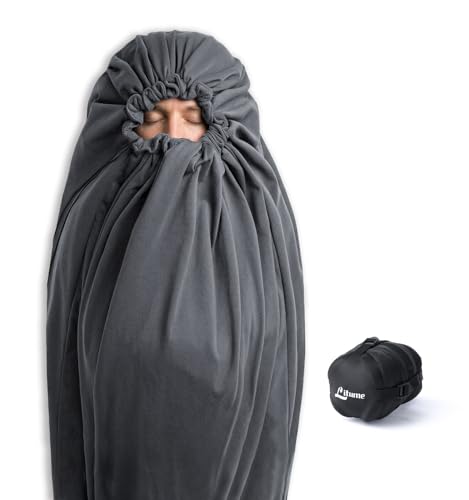
Your bag is only one layer. Heat loss through the ground is often the biggest problem in winter camping, so the sleeping pad matters as much as the bag. Look for a pad with an R-value of at least 4 for freezing ground, and stack pads if needed. Your bag also works better with a liner, which adds 5 to 10 degrees of warmth and keeps the bag clean.
- Choose a bag rated at least 10 degrees below your expected low.
- Pick a pad with an R-value of 4 or higher for snow or frozen ground.
- Add a liner, a warm hat and dry base-layer socks.
- Store your water bottle and electronics inside the bag.
- Eat a high-fat snack before bed and avoid alcohol.
Match Fit and Shape to Your Conditions
A mummy-shaped bag with a hood and draft collar traps more heat than a rectangular bag, though it feels more restrictive. Loose bags let cold air move in, while a bag that is too tight compresses insulation and reduces loft. Check the length against your height, and make sure the zipper has a draft tube. Ideas on layout and fit are covered in How to Choose a Cold Weather Sleeping Bag.
Check Fit Before You Go
Lie in the bag at home with the clothes you plan to wear. If you can’t turn your shoulders without pulling the zipper, the bag is too small. If you swim inside it, it is too large. For a deeper look, Sleeping Bag Warm Weather: How to Choose One for Hot Nights (2026) covers this in detail.
Common Mistakes
- Buying by the daytime temperature rather than the nighttime low.
- Skipping a pad, or using a summer pad on snow.
- Sleeping in damp clothes, which chills the body.
- Packing the bag tightly for long periods, which weakens loft over time.
- Ignoring ventilation, which causes condensation inside the bag.
Recommended Gear
A liner adds warmth and keeps the bag clean, which helps the insulation last. View on Amazon
An insulated sleeping pad blocks ground heat, which is often the largest source of cold at night. View on Amazon
A warm wool or fleece hat reduces heat loss from the head during sleep. View on Amazon
FAQ
What temperature rating do I need for winter camping?
Choose a bag with a comfort rating at least 10 degrees below the lowest temperature you expect. Add more margin if you sleep cold or are camping on snow.
Is down or synthetic better for cold weather?
Down gives more warmth for its weight and packs small, while synthetic keeps insulating when damp. Pick based on your climate and how dry your campsite stays.
Do I need a sleeping pad with a sleeping bag in winter?
Yes. A pad with an R-value of 4 or higher prevents heat loss into frozen ground, and the bag alone cannot make up for that.
Conclusion
A sleeping bag for cold weather works best when you match its rating to your lowest expected temperature and pair it with a proper pad and liner. Focus on fit, keep insulation dry, and eat well before bed. Check the official manufacturer specifications for current ratings, and consult a professional guide if you plan extended winter trips.
Related reading
- What Is a Glacier Edge Sleeping Bag and Is It Right for You?
- Top 3 Compression Sleeping Bag Sack Options for Backpacking
Ready to choose one?
About Audrey Hayes
Audrey Hayes is part of our editorial team and reviews and edits our camping equipment guides, checking product details against manufacturer specifications and owner feedback.