
 By Audrey Hayes
Updated November 2026
A bag liner sleeping bag insert adds warmth, keeps your main bag cleaner and makes a big difference on cold nights or shared gear. This list compares six liners by fabric, fit, warmth contribution and intended use, so you can match one to your trips. The criteria were material type, insulation, zipper and fit, and how well each suits camping versus indoor use.
Our top picks at a glance
- 1
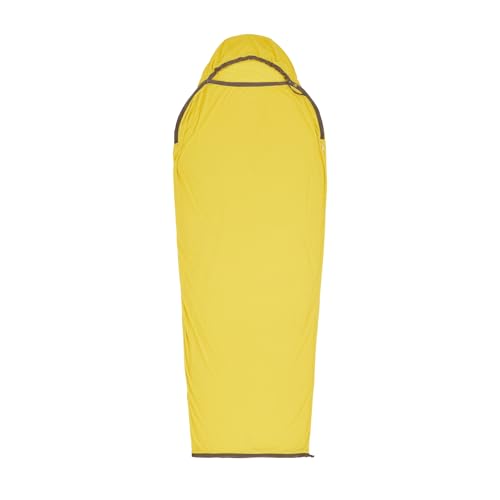 TOP CHOICEBest overallSea to Summit Reactor Sleeping Bag Liner, Regular Standard (85 x 31.5)View on Amazon
- 2
 TOP CHOICEBest for cold-weather warmthSea to Summit Silk Blend Sleeping Bag Liner, Rectangular w/ Pillow SleeveView on Amazon
- 3
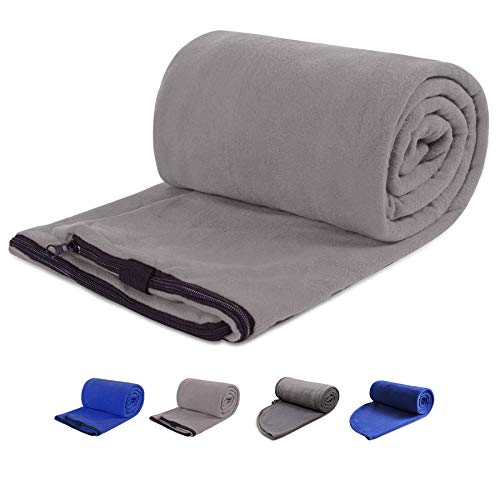 TOP CHOICEBest budget fleeceREDCAMP Fleece Sleeping Bag Liner for Adult, GreyView on Amazon
- 4
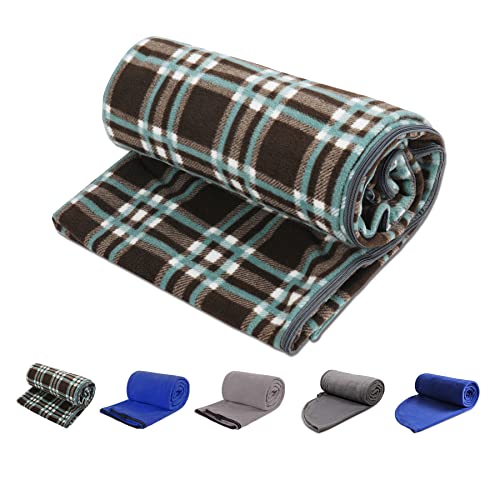 Best for extra-long framesREDCAMP Thicker Fleece Sleeping Bag Liner for Adult, Brown PlaidView on Amazon
- 5
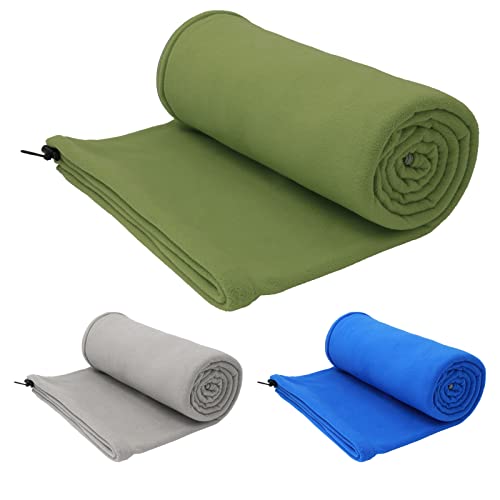 Best for versatile indoor useArctic Lemmings Fleece Sleeping Bag Liner and Travel BlanketView on Amazon
- 6
 Best for soft flannel comfortTuphen Flannel Sleeping Bag Liner for AdultView on Amazon
Our Top Picks
Quick Comparison
| Product | Best for | Key feature |
|---|---|---|
| Sea to Summit Reactor Sleeping Bag Liner | Cold-weather camping | Insulated Thermolite fabric |
| REDCAMP Fleece Sleeping Bag Liner for Adult | Budget everyday use | 75-inch full zipper |
| Arctic Lemmings Fleece Sleeping Bag Liner | Indoor and outdoor versatility | Soft microfiber fleece |
| Tuphen Flannel Sleeping Bag Liner for Adult | Soft comfort in mild cold | Thicker fluffy flannel |
| Sea to Summit Silk Blend Sleeping Bag Liner | Warmth plus a premium feel | Silk blend with pillow sleeve |
| REDCAMP Thicker Fleece Sleeping Bag Liner for Adult | Taller sleepers | 90-inch length, plaid fleece |
Sea to Summit Reactor Sleeping Bag Liner, Regular Standard (85 x 31.5)
Sea to Summit Reactor Sleeping Bag Liner, Regular Standard (85 x 31.5) | Insulated Thermolite sleeping bag liner adds warmth and improves hygiene in cold-weather camping
Best for: Cold-weather camping where you want added warmth
This liner suits campers who sleep in a bag rated for mild temperatures and want a few extra degrees without buying a heavier bag.
Pros:
- Insulated Thermolite fabric adds noticeable warmth
- Helps keep the main bag cleaner
Cons:
- Regular length may feel snug for taller sleepers
REDCAMP Fleece Sleeping Bag Liner for Adult, Grey
REDCAMP Fleece Sleeping Bag Liner for Adult, Grey | Warm or Cold Weather 75" Long Full Sized Zipper Camping Blanket Liner with Bag for Outdoor Indoor Used
Best for: Budget everyday use across seasons
A practical choice for campers and travelers who want a simple fleece liner for warm or cool nights without a large commitment.
Pros:
- Full-length zipper makes entry and exit easy
- Fleece works in both warm and cool conditions
Cons:
- Fleece can feel bulky when packed
Arctic Lemmings Fleece Sleeping Bag Liner and Travel Blanket
Arctic Lemmings Fleece Sleeping Bag Liner and Travel Blanke(Army Green) | Soft Microfiber Fleece, 75" Full Zipper, Lightweight and Warm, Versatile Indoor/Outdoor Use
Best for: Indoor and outdoor versatility
Suits people who use one liner for camping, hostels and guest beds, since the soft microfiber fleece works as a light blanket too.
Pros:
- Soft microfiber fleece feels comfortable against skin
- Lightweight enough for travel use
Cons:
- Less insulating than insulated thermal liners
Tuphen Flannel Sleeping Bag Liner for Adult
Tuphen Flannel Sleeping Bag Liner for Adult, Thicker Soft Fluffy Adult Sleeping Sack with Zipper, Travel Camping in Warm Cold Weather, Sleeping Bag Liner for Hotel Hiking Camping Indoor Outdoor Use
Best for: Soft comfort in mild cold
A good fit for sleepers who prioritize a plush feel and use their bag in moderate temperatures.
Pros:
- Thicker flannel feels soft and fluffy
- Zipper design works for hotels and camping
Cons:
- Flannel dries more slowly if it gets damp
Sea to Summit Silk Blend Sleeping Bag Liner, Rectangular w/ Pillow Sleeve
Sea to Summit Silk Blend Sleeping Bag Liner, Rectangular w/ Pillow Sleeve | Thermolite Pro and silk blend liner adds warmth and a touch of luxury to any sleeping bag with infrared-absorbing fibers
Best for: Warmth with a premium feel
This liner appeals to campers who want warmth gains and a smooth, luxurious surface against skin.
Pros:
- Silk blend fabric feels smooth and light
- Pillow sleeve keeps a small pillow in place
Cons:
- Costs more than basic fleece options
REDCAMP Thicker Fleece Sleeping Bag Liner for Adult, Brown Plaid
REDCAMP Thicker Fleece Sleeping Bag Liner for Adult, Brown Plaid | Warm or Cold Weather 90" Long Full Sized Zipper Camping Blanket Liner with Bag for Outdoor Indoor Used
Best for: Taller sleepers who need length
The 90-inch length suits tall campers whose feet would press against the end of a standard liner.
Pros:
- 90-inch length accommodates taller frames
- Thicker fleece adds a warm, cozy layer
Cons:
- Longer size is heavier and bulkier to pack
Buying Guide
Fabric and Warmth
Liners are made from materials such as silk, microfiber fleece, flannel, and synthetic blends like Thermolite. Silk and silk blends are light and pack small, while fleece and flannel add more noticeable warmth for cold nights. Choose the fabric that matches the temperatures you expect to face.
Fit and Shape
Check the liner’s length and width against your sleeping bag and your body size. A liner that is too snug can bunch up and feel restrictive, while one that is too loose can shift around and lose its insulating value. Rectangular liners often give more room, while mummy-shaped liners fit closer and trap more heat.
Zipper and Closure
A full-length zipper makes it easier to get in and out and lets you use the liner as a blanket. Some liners have pillow sleeves or a simple drawstring opening. Think about how you will use the liner before deciding which closure suits you best.
Hygiene and Cleaning
One of the main reasons to use a liner is to protect your sleeping bag from body oils, dirt, and sweat. Look for a liner that is machine washable or easy to hand wash so you can keep it fresh between trips. Frequent cleaning helps extend the life of both the liner and your main bag.
Intended Use
Some liners are built for backcountry camping, while others work well for hotels, hostels, or guest beds. Heavier fleece and flannel options suit car camping and indoor comfort, while lightweight silk-based liners are better for trips where pack weight matters. Matching the liner to your main use will help you get the most value from it.
FAQ
Does a sleeping bag liner really add warmth?
Yes, a liner can add a noticeable amount of warmth, especially when used with a sleeping bag that is already rated for your conditions. The added layer traps air and reduces heat loss, which helps on chilly nights. The amount of warmth depends on the liner’s material and thickness.
Can I use a liner without a sleeping bag?
Many liners can be used on their own as a light blanket or sleeping sack, particularly fleece and flannel styles with a full zipper. This makes them handy for indoor use, guest rooms, or warm-weather nights outdoors. Lightweight silk liners are usually better for keeping clean than for providing heavy warmth alone. 5 Best Coleman Sleeping Bag Bag Options for Camping (2026) goes further into this.
How do I wash a sleeping bag liner?
Check the care label first, since materials vary between fabrics. Many fleece and flannel liners can be machine washed on a gentle cycle with mild soap, while silk blends often do best with hand washing. Air dry the liner fully before storing it to prevent odors and mildew.
Will a liner make my sleeping bag warmer?
A liner can extend the temperature range of your sleeping bag by adding an extra insulating layer. It works best when combined with a bag that already suits your environment, rather than as a replacement for a properly rated bag. Using a liner together with a bag also helps keep the main bag cleaner.
Should I choose a rectangular or mummy-shaped liner?
Rectangular liners offer more room and are comfortable for people who like to move around while sleeping. Mummy-shaped liners fit closer to the body, which reduces air gaps and tends to hold heat better. Your sleeping style and the warmth you need should guide the choice.
Are sleeping bag liners good for hotels and shared gear?
Yes, a liner is a practical way to add a clean layer between you and unfamiliar bedding while traveling. Many people also use liners for hostels, guest beds, or shared camping gear. Choosing a machine-washable option makes it easy to keep the liner clean after each use.
Conclusion
If you want a versatile liner that packs small and adds comfort without much weight, the Sea to Summit Reactor is a strong choice for most campers. For cold-weather trips where extra warmth matters, the fleece and flannel options from REDCAMP, Arctic Lemmings, and Tuphen are better suited, while the Sea to Summit Silk Blend works well for those who value a lightweight, luxurious feel.
Taller campers should look closely at the longer REDCAMP models, and budget shoppers will find good value in the REDCAMP Fleece liner. Match the fabric, fit, and warmth to your trips, and any of these six liners can keep your sleeping bag cleaner and your nights more comfortable.
Related reading
- Summer Sleeping Bags, Quilts and Liners
- Sleeping Bag Liners, Pumps and Pad Couplers Explained
- Best Sleeping Bag Liners
- 6 Best Warm Sleeping Bag Liners for Cold Weather Camping (2026)
- 6 Best Sleeping Bag Liners for Warmth in Cold Weather (2026)
About Audrey Hayes
Audrey Hayes is part of our editorial team and reviews and edits our camping equipment guides, checking product details against manufacturer specifications and owner feedback.








