
 By Audrey Hayes
Updated November 2026
Shopping for an ultralight 0 degree sleeping bag means balancing warmth, packed size and weight, and the rating on the label doesn’t always tell the whole story. This list compares six bags built for cold-weather backpacking and camping. We looked at manufacturer-stated temperature ratings, fill type and fill power, fit options, packed size, and the kinds of feedback owners commonly report about warmth and comfort. Nothing here is based on our own testing.
Our top picks at a glance
- 1
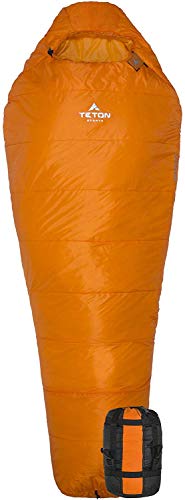 TOP CHOICEBest overallTeton Altos-S 0 Degree Sleeping BagView on Amazon
- 2
 TOP CHOICEBest for budget-minded buyersTeton LEEF Lightweight Mummy Sleeping BagView on Amazon
- 3
 TOP CHOICEBest for compact down warmthNaturehike 0 Degree Ultralight Down Sleeping BagView on Amazon
- 4
 Best for three-season versatilityQEZER 0 Degree Down Sleeping BagView on Amazon
- 5
 Best for varied body sizesBig Agnes Torchlight EXPView on Amazon
- 6
 Best for camp comfortHLITMOUT Mummy Down Sleeping Bag with PillowView on Amazon
Our Top Picks
Quick Comparison
| Product | Best for | Key feature |
|---|---|---|
| Teton Altos-S 0 Degree Sleeping Bag | Overall balance | Lightweight mummy shape |
| Teton LEEF Lightweight Mummy Sleeping Bag | Budget-minded buyers | Compression sack included |
| Naturehike 0 Degree Ultralight Down Sleeping Bag | Compact down warmth | 650 fill power down |
| QEZER 0 Degree Down Sleeping Bag | Three-season versatility | Compact, lightweight carry |
| Big Agnes Torchlight EXP | Varied body sizes | Expandable fit design |
| HLITMOUT Mummy Down Sleeping Bag with Pillow | Camp comfort | Built-in pillow, 680 fill power |
Teton Altos-S 0 Degree Sleeping Bag
Teton Altos-S 0 Degree Sleeping Bag for Adults; Lightweight Warm Mummy Sleeping Bag for Camping, Hiking, Backpacking
Best for: Overall balance of warmth and weight
A solid starting point for backpackers who want a 0 degree rating without a large packed size.
Pros
- Lightweight mummy shape suited to backpacking
- Designed to be warm and packable for camping and hiking
Cons
- Mummy cut is snug for broad-shouldered sleepers
Teton LEEF Lightweight Mummy Sleeping Bag
Teton LEEF Lightweight Mummy Sleeping Bag Perfect for Camping, Hiking, and Backpacking; Cold Weather Option, Compression Sack Included – Black & Sage, 0F
Best for: Budget-minded buyers who want a compression sack included
Suits campers who want a cold-weather option with an included stuff sack and a lower entry point.
Pros
- Compression sack included for easy packing
- Listed in a 0F cold-weather option
Cons
- Synthetic fill is bulkier than down at the same warmth
Naturehike 0 Degree Ultralight Down Sleeping Bag
Naturehike 0 Degree Ultralight Down Sleeping Bag for Adults, 650FP Backpacking Cold Weather Sleeping Bag with RDS Down, 28.9℉ for Camping, Hiking, 2025 Model
Best for: Compact down warmth
A good fit for backpackers who prioritize low pack weight and want down insulation. Worth reading next: 6 Best Lightweight Sleeping Bags for Backpacking and Hiking (2026).
Pros
- 650 fill power down for a high warmth-to-weight ratio
- Listed with a 28.9°F comfort-style rating and a 0 degree option in the title
Cons
- Down loses insulating ability if it gets wet, so a dry bag is essential
QEZER 0 Degree Down Sleeping Bag
QEZER 0 Degree Down Sleeping Bag for Adults,Cold Weather Backpacking | 36°F-63°F, 3-Season Use, 650 Fill Power Down, Lightweight Compact Carry, Camping Hiking Backpacking
Best for: Three-season versatility
Works for buyers who want one bag that covers a wider range of conditions than a pure winter bag.
Pros
- 650 fill power down with a compact carry size
- Listed with a 36°F to 63°F three-season range
Cons
- The 0 degree claim in the title sits apart from the stated three-season range, so check your conditions
Big Agnes Torchlight EXP
Big Agnes Torchlight EXP – Ultralight Sleeping Bag, 0 Degree, Long | Expandable fit with 650 DownTek insulation, compact cold-weather mummy bag for backpacking and camping
Best for: Varied body sizes
An option for sleepers who want extra room through the hips and shoulders without moving to a much heavier bag.
Pros
- Expandable fit design for a range of body sizes
- 650 DownTek insulation in a compact mummy shape
Cons
- Expandable designs can cost more packed weight than a fixed-cut bag
HLITMOUT Mummy Down Sleeping Bag with Pillow
HLITMOUT Mummy Down Sleeping Bag with Pillow for Backpacking | Ultralight and Compact, 680FP down, 0°F 20°F 32°F,Regular and XL ,for Adults,Teens Camping and Hiking Outdoor
Best for: Camp comfort
Suits campers who value a built-in pillow and a choice of regular or XL length.
Pros
- 680 fill power down with ratings listed at 0°F, 20°F and 32°F
- Regular and XL lengths available
Cons
- The built-in pillow adds some packed bulk
Buying Guide
Temperature Rating and Comfort Limits
A 0 degree rating is usually a manufacturer’s comfort or limit figure, and results vary with the sleeper, the sleeping pad, and the conditions. Check whether the rating is a comfort, lower-limit, or extreme number, and plan for a little extra margin if you tend to sleep cold.
Colder nights call for a pad with good insulation underneath, since the ground pulls heat away from your body faster than the air does.
Fill Type and Fill Power
Down offers excellent warmth for its weight and packs small, but it loses insulating ability when wet and costs more. Synthetic fill is less efficient by weight but keeps some warmth when damp, which can matter in wet climates.
For down, higher fill power generally means more loft per ounce, so a 650 or 680 fill power bag can be lighter and more compressible than a lower-fill option with the same rating.
Weight and Packed Size
Ultralight bags are built to save space in your pack, but the lightest models often use thinner shell fabrics that may be less durable. Compare the listed weight along with the packed dimensions to see how the bag will fit your pack volume.
A compression sack included with the bag can make a noticeable difference in how much room it takes up on the trail.
Fit, Shape, and Length
Mummy shapes trap more heat around the body and are the usual choice for cold-weather backpacking, but they can feel snug to people who move a lot in their sleep. Check the length options, since a bag that is too short will compress insulation at the feet and cost you warmth.
Some bags offer regular and XL sizes or expandable designs, which can help taller sleepers or those who want extra room.
FAQ
Is a 0 degree sleeping bag warm enough for winter backpacking?
A 0 degree bag can suit many cold-weather trips, but winter conditions vary widely and the rating is not a guarantee. Many backpackers add a liner or a warmer layer and pair the bag with an insulated sleeping pad for extra safety.
What does fill power mean for a down sleeping bag?
Fill power measures how much space one ounce of down takes up when compressed and then released, with higher numbers indicating better loft per ounce. Higher fill power usually means a lighter, more compressible bag for the same warmth.
Should I choose down or synthetic insulation?
Down is the better choice for dry, cold trips where weight and packed size matter most. Synthetic insulation is a safer bet if you expect wet conditions, since it keeps more of its warmth when it gets damp.
How should I store my sleeping bag at home?
Keep the bag loosely stuffed in a large storage sack or hung in a closet rather than left compressed for long periods. Long-term compression can reduce loft over time, especially with down.
Do I need a sleeping pad with an ultralight bag?
Yes, a good insulated pad is important in cold weather because the ground draws heat from your body. The pad’s insulation rating matters as much as the bag’s rating for staying warm overnight.
Conclusion
If you want the lightest and most compact option for dry, cold backpacking, a high fill power down bag like the Big Agnes Torchlight EXP or the Naturehike model is a strong fit. Budget-minded buyers or those who want a simpler mummy shape may prefer one of the Teton or HLITMOUT options.
Wet-weather or cautious campers who want more margin should weigh synthetic or extra-warm choices and plan on a well-insulated pad to go with whichever bag they pick.
Related reading
- Is a Zero Degrees Sleeping Bag Warm Enough? What to Know
- Down Sleeping Bag 0 Degree: 3 Best Picks Compared for Cold Camping (2026)
- What Is a Glacier Edge Sleeping Bag and Is It Right for You?
- Top 3 Compression Sleeping Bag Sack Options for Backpacking
- Synthetic or Down Sleeping Bag (2026): Which Is Better for You?
- Summer Sleeping Bags, Quilts and Liners
About Audrey Hayes
Audrey Hayes is part of our editorial team and reviews and edits our camping equipment guides, checking product details against manufacturer specifications and owner feedback.






