
 By Audrey Hayes
Updated November 2026
Shoppers looking at a therm a rest z lite sleeping pad usually want one thing: a pad that is light enough to carry, firm enough to sleep on and tough enough to survive a few seasons of trail use. The Z Lite line is a closed-cell foam pad, which means it does not rely on air or a valve to work. That simplicity is a big part of its appeal. This guide compares three products from the Therm-a-Rest family that sit closest to the Z Lite idea, and it judges each one against a short list of criteria: packed size and weight, insulation for the season you camp in, comfort for your sleep style, and durability for the way you actually travel.
Our top picks at a glance
- 1
 TOP CHOICEBest overallTherm-a-Rest Z Lite Original Camping and Backpacking Sleeping PadView on Amazon
- 2
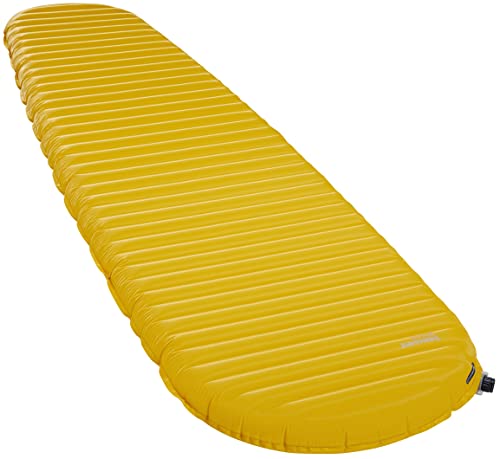 Best for thru-hiking weight savingsTherm-a-Rest NeoAir Xlite NXT Ultralight Camping and Backpacking SleepView on Amazon
- 3
 Best for car and basecamp comfortTherm-a-Rest Trail Scout Self-Inflating Camping and Backpacking SleepiView on Amazon
Our Top Picks
| Product | Best for | Key feature |
|---|---|---|
| Therm-a-Rest Z Lite Original Camping and Backpacking Sleeping Pad | Backpacking and general trail use | Closed-cell foam that never needs inflating |
| Therm-a-Rest NeoAir Xlite NXT Ultralight Camping and Backpacking Sleeping Pad, Solar Flare, Regular Wide | Thru-hiking and weight-sensitive trips | Very low packed weight with high insulation |
| Therm-a-Rest Trail Scout Self-Inflating Camping and Backpacking Sleeping Pad, Regular – 72 x 20 Inches | Car camping and extra comfort | Self-inflating foam core with a plush feel |
Therm-a-Rest Z Lite Original Camping and Backpacking Sleeping Pad
Therm-a-Rest Z Lite Original Camping and Backpacking Sleeping Pad | Ultralight, durable trail comfort with Z Lite Sleeping Pad
Best for: Backpacking and general trail use
This is the pad to consider if you want a dependable, no-fuss sleeping surface that will not puncture on a sharp rock or lose air overnight. It suits hikers who sleep on their back or stomach, and campers who value a pad they can simply unroll, sit on and forget about.
Key specs
- Closed-cell foam construction with no inflation step
- Designed for three-season backpacking and camping use
- Ultralight profile, rated for trail carry
Pros
- Puncture-proof because there is no air chamber to leak
- Ready to use the moment you unroll it
- Foam keeps its shape and insulation over many seasons of use
Cons
- Thicker and bulkier when packed than inflatable pads
- Firmer feel that some side sleepers find less forgiving
Bottom line: A strong choice for backpackers and campers who want reliability and simplicity over the lowest possible pack weight.
View on AmazonTherm-a-Rest NeoAir Xlite NXT Ultralight Camping and Backpacking Sleeping Pad, Solar Flare, Regular Wide
Therm-a-Rest NeoAir Xlite NXT Ultralight Camping and Backpacking Sleeping Pad, Solar Flare, Regular Wide
Best for: Thru-hiking and weight-sensitive trips
This pad is aimed at people who count every ounce. It fits long-distance hikers and fast-and-light travelers who accept inflating a pad each night in exchange for a much smaller load. The wide cut suits sleepers who turn over a lot.
Key specs
- Regular Wide sizing for extra shoulder and hip room
- Ultralight design aimed at backpacking
- Solar Flare color option
Pros
- Very small packed size and low weight for its insulation level
- Wide body gives more room for restless sleepers
- Comfortable, cushioned feel compared with closed-cell foam
Cons
- Requires inflating and deflating each day, plus a patch kit for punctures
- Costs more per trip than a foam pad when you factor in care and repairs
Bottom line: The right pick for lightweight hikers who want comfort and low weight and are comfortable managing an inflatable pad.
View on AmazonTherm-a-Rest Trail Scout Self-Inflating Camping and Backpacking Sleeping Pad, Regular – 72 x 20 Inches
Therm-a-Rest Trail Scout Self-Inflating Camping and Backpacking Sleeping Pad, Regular – 72 x 20 Inches
Best for: Car camping and extra comfort
The Trail Scout is built for campers who care more about a comfortable night than a few extra ounces. It suits basecamp trips, family camping and anyone who wants a thicker, softer surface than a foam pad usually offers.
Key specs
- Regular size measuring 72 x 20 inches
- Self-inflating foam core
- Camping and backpacking use
Pros
- Self-inflating foam fills with little effort
- Good cushioning for side and stomach sleepers
- Standard regular length suits most adults
Cons
- Heavier and bulkier than the ultralight options
- Can lose some air overnight, so a quick top-off may be needed
Bottom line: Best for campers who put comfort first and do not need to carry the pad far.
View on AmazonBuying Guide
Insulation and R-Value
Insulation is measured as R-value, and it matters more than thickness when the ground is cold. Check the manufacturer’s stated R-value before buying, and match it to the coldest night you expect. Three-season pads often fall in a moderate range, while winter pads are rated higher. For a detailed breakdown, see Sleeping Pad R-Value Explained: How Much Insulation You Need and What R-Value for Sleeping Pad? 3-Season vs Winter Pads (2026).
Good picks for this: Therm-a-Rest Z Lite Original Camping and Backpacking Sleeping Pad, Therm-a-Rest NeoAir Xlite NXT Ultralight Camping and Backpacking Sleeping Pad, Solar Flare, Regular Wide
Packed Size and Weight
If you hike with a full pack, weight and packed volume change how far you go in a day. Closed-cell foam pads pack larger but never fail. Inflatable pads pack very small. Weigh your pack with the pad included, and decide whether the saved ounces are worth the extra steps each night.
Good picks for this: Therm-a-Rest NeoAir Xlite NXT Ultralight Camping and Backpacking Sleeping Pad, Solar Flare, Regular Wide, Therm-a-Rest Z Lite Original Camping and Backpacking Sleeping Pad
Size and Fit
Measure your height and your sleep width. A regular length of about 72 inches suits most adults, while a wide cut helps side sleepers and restless sleepers. Check that the pad does not stop short at your feet or shoulders, since a short pad lets cold air reach your body.
Good picks for this: Therm-a-Rest Trail Scout Self-Inflating Camping and Backpacking Sleeping Pad, Regular – 72 x 20 Inches, Therm-a-Rest NeoAir Xlite NXT Ultralight Camping and Backpacking Sleeping Pad, Solar Flare, Regular Wide
Comfort and Sleep Style
Foam pads feel firm and even. Self-inflating and air pads feel softer, but comfort depends on how much air or foam you have. Side sleepers usually need more cushioning at the hips and shoulders. Back sleepers often do well on a firmer surface. Read more in Best Sleeping Pad for Side Sleepers: What to Look For (2026).
Good picks for this: Therm-a-Rest Trail Scout Self-Inflating Camping and Backpacking Sleeping Pad, Regular – 72 x 20 Inches, Therm-a-Rest Z Lite Original Camping and Backpacking Sleeping Pad
Durability and Puncture Resistance
Closed-cell foam cannot leak, which makes it a dependable choice for rough ground and long trips. Inflatable pads need a patch kit and a careful setup. If you do own an air pad, learn how to find leaks in How to Find and Patch a Leak in an Air Sleeping Pad.
Good picks for this: Therm-a-Rest Z Lite Original Camping and Backpacking Sleeping Pad, Therm-a-Rest Trail Scout Self-Inflating Camping and Backpacking Sleeping Pad, Regular – 72 x 20 Inches
Use Case and Season
Think about where you will camp. Backpacking favors low weight. Car camping favors comfort. Winter camping favors insulation. Compare the options in Sleeping Pad R-Values (2026): Which Is Better for Winter Camping? before deciding.
Good picks for this: Therm-a-Rest NeoAir Xlite NXT Ultralight Camping and Backpacking Sleeping Pad, Solar Flare, Regular Wide, Therm-a-Rest Trail Scout Self-Inflating Camping and Backpacking Sleeping Pad, Regular – 72 x 20 Inches
Care and Storage
Store foam pads loosely rolled or flat, not compressed for months. Inflatable and self-inflating pads should be stored open and dry to prevent mildew. Clean with mild soap and water, and let the pad dry fully before packing. Manufacturers generally recommend keeping pads away from direct heat and sharp objects.
Good picks for this: Therm-a-Rest Z Lite Original Camping and Backpacking Sleeping Pad, Therm-a-Rest Trail Scout Self-Inflating Camping and Backpacking Sleeping Pad, Regular – 72 x 20 Inches
FAQ
Is the Z Lite pad a self-inflating pad?
No. The Z Lite line is a closed-cell foam pad. It does not hold air, so it is always ready to use and cannot lose pressure overnight.
How much R-value do I need for camping?
It depends on the season and the lowest temperature you expect. Three-season use typically calls for a moderate rating, while winter use calls for a higher one. Check the manufacturer’s stated R-value and compare it against your expected overnight low.
Which pad is best for side sleepers?
Side sleepers usually prefer more cushioning. A self-inflating pad or a wide inflatable pad often feels more comfortable than a firm foam pad, though personal preference varies widely.
Can I use a foam pad and an inflatable pad together?
Yes. Many campers layer a foam pad under an inflatable pad for extra insulation and puncture protection. This setup adds bulk and weight, so it is most useful for car camping or cold trips.
How do I fix a leak in an inflatable pad?
Inflate the pad, listen for escaping air, and use soapy water to find bubbles. Mark the spot, let the pad dry, and apply a patch from the repair kit. Follow the instructions in How to Find and Patch a Leak in an Air Sleeping Pad.
Do I need a pump for these pads?
Self-inflating pads open on their own, but many campers still top them off by mouth or with a small pump. Ultralight inflatable pads typically require manual inflation, so a pump or a sleeping bag liner with a pump sack can help. See Sleeping Bag Liners, Pumps and Pad Couplers Explained.
How long do sleeping pads last?
Lifespan depends on use, storage and care. Closed-cell foam tends to last for many seasons. Inflatable pads last as long as their chambers hold air, which depends on handling and repairs.
Conclusion
For most backpackers, the Therm-a-Rest Z Lite Original Camping and Backpacking Sleeping Pad offers the most dependable choice, since foam never leaks. Thru-hikers who prioritize low weight should look at the NeoAir Xlite NXT Ultralight Camping and Backpacking Sleeping Pad, Solar Flare, Regular Wide, provided they are comfortable managing an inflatable. Campers who want extra comfort for car trips will likely prefer the Trail Scout Self-Inflating Camping and Backpacking Sleeping Pad, Regular – 72 x 20 Inches. Match the pad to your season, sleep style and how far you carry it.
Sources
- Guidance on camping safety, site conditions and gear preparation in national parks (nps.gov)
- Consumer product safety information and recall notices for outdoor gear (cpsc.gov)
- Background on temperature and climate patterns that affect overnight camping conditions (usda.gov)
Related reading
About Audrey Hayes
Audrey Hayes is part of our editorial team and reviews and edits our camping equipment guides, checking product details against manufacturer specifications and owner feedback.






