
 By Audrey Hayes
Updated November 2026
Choosing a solar power camping stove comes down to how you camp, how many people you cook for, and how much sun you can count on. Solar cookers rely on direct light, so they suit sunny trips and long daytime stops better than cloudy, shaded or night-time cooking. The four options below were compared on portability, cooking capacity, fuel independence, build and suitability for group size. Each one is described from its listing and common owner feedback patterns, not from hands-on testing.
Our top picks at a glance
- 1
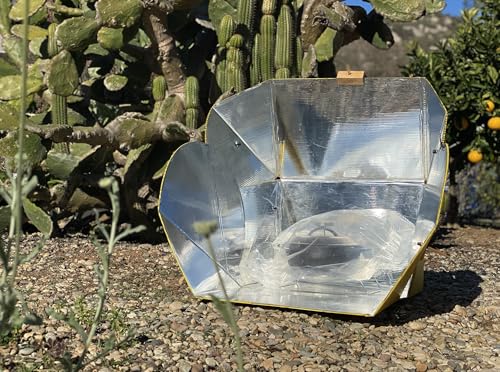 TOP CHOICEBest overallSolCook All Season Solar CookerView on Amazon
- 2
 Best for larger groupsHIOSUNSTOVE Solar Stove Portable Stove Solar OvenView on Amazon
- 3
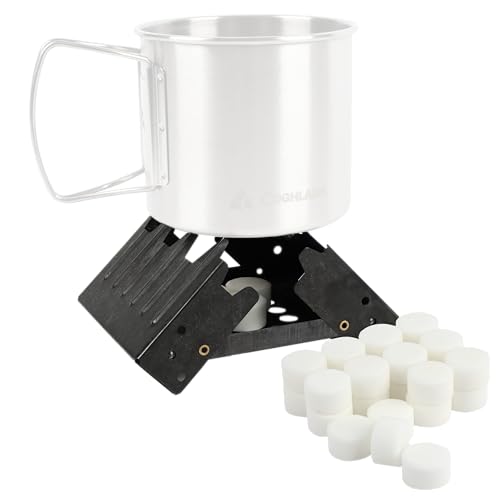 Best for backpackingCoghlan's Emergency StoveView on Amazon
- 4
 Best budget pickCoghlan's Portable Folding Camp StoveView on Amazon
Our Top Picks
Quick Comparison
| Product | Best for | Key feature |
|---|---|---|
| SolCook All Season Solar Cooker | Solo and couple trips in sunny conditions | Solar cooking plus dehydrating and canning uses |
| HIOSUNSTOVE Solar Stove Portable Stove Solar Oven | Family and group camping | 4.5L capacity with a built-in thermometer |
| Coghlan’s Emergency Stove | Backpacking and emergency kits | Foldable, lightweight design that runs on fuel tablets |
| Coghlan’s Portable Folding Camp Stove | Light cooking on a tight budget | Compact steel stove using canned heat or fuel tablets |
SolCook All Season Solar Cooker
SolCook All Season Solar Cooker – Camping Cookware, Fruit & Food Dehydrator, Camp Stove, Fruit Canning Supplies, Camping Gear, Survival Gear, Emergency Supplies, (17) Camper
Best for: Solo and couple trips where you want solar cooking plus food preservation options.
This cooker suits campers who plan around sunny days and want a single piece of gear that handles more than boiling and heating. Its listing positions it for dehydrating fruit and canning, which makes it useful on longer trips where you want to preserve food rather than only cook it.
Key specs
- Solar-powered cooking with no fuel required
- Marketed for camp stove, dehydrator and canning use
- Designed for camping, survival and emergency supplies
Pros
- Uses sunlight, so there is no fuel to carry
- Covers cooking, dehydrating and canning uses in one unit
- Positioned as usable across seasons, not only summer
Cons
- Output depends entirely on steady direct sun
- Slow compared with a gas or liquid-fuel stove
Bottom line: A good fit for campers in sunny regions who want solar cooking and food preservation in one tool and can plan meals around daylight.
View on AmazonHIOSUNSTOVE Solar Stove Portable Stove Solar Oven
HIOSUNSTOVE Solar Stove Portable Stove Solar Oven – Solar Cooker for Outdoor Cooking with 4.5L Large Capacity with Theometer, and Easy-to-Use Design for Camping Hiking and Family Party
Best for: Family and group camping where you need to cook for several people at once.
The larger capacity makes this the most practical solar option for households or groups of four or more. Owners of solar ovens of this type commonly mention that the built-in thermometer helps them judge when food has reached a safe temperature, which matters for solar cooking.
Key specs
- 4.5 L large capacity, per the listing
- Built-in thermometer
- Portable solar oven design for camping, hiking and outdoor gatherings
Pros
- Capacity suits family-sized meals
- Thermometer helps confirm cooking temperature
- No fuel or pressurized canisters needed
Cons
- Larger and bulkier to carry than compact stoves
- Requires a sunny setup spot and time to cook
Bottom line: Best for family or group campers with reliable sun who want to cook a full meal without carrying fuel.
View on AmazonCoghlan’s Emergency Stove
Coghlan's Emergency Stove – Lightweight, Portable Camping Stove for Backpacking, Survival, and Outdoor Cooking – Foldable Design with 24 Fuel Tablets Included (Compact for Travel and Storage)
Best for: Backpacking and emergency kits where weight and packed size matter most.
This stove is built for people who need a small heat source they can stow in a pack or survival kit. It is not a true solar device, but it is included here as a compact, fuel-tablet alternative for trips where sun cannot be relied on.
Key specs
- Lightweight, foldable design
- Runs on fuel tablets
- Listing includes 24 fuel tablets
Pros
- Very compact when folded
- Works regardless of weather or sunlight
- Fuel tablets are included in the listing
Cons
- Small cooking surface limits pot size
- Fuel tablets add ongoing consumable cost and only heat slowly
Bottom line: A sensible backup or backpacking stove for those who want compact heat when solar cooking is not practical.
View on AmazonCoghlan’s Portable Folding Camp Stove
Coghlan's Portable Folding Camp Stove – Compact, Lightweight Steel Cooking Stove for Camping, Backpacking, Hiking, or Emergency Use – Uses Canned Heat or Fuel Tablets, Black
Best for: Light, low-cost cooking on short trips or as a second stove in a kit.
This steel folding stove uses canned heat or fuel tablets rather than sunlight. It is a basic, dependable option for simple heating tasks such as warming water or a small pot of food.
Key specs
- Compact, folding steel construction
- Uses canned heat or fuel tablets
- Black finish
Pros
- Simple design with few parts to fail
- Folds down for storage and transport
- Works in shade, rain and at night
Cons
- Not a solar device, so it does not meet a solar-only requirement
- Limited heat output compared with larger stoves
Bottom line: Suits campers who want a simple, weather-independent backup heat source rather than a solar cooker.
View on AmazonBuying Guide
Sunlight and Climate
Solar cookers depend on direct sun. Plan for cooking during the strongest part of the day and check how many clear hours your destination typically gets. Cloud cover, high humidity and shade from trees can extend cooking times considerably or stop them altogether.
Good picks for this: SolCook All Season Solar Cooker, HIOSUNSTOVE Solar Stove Portable Stove Solar Oven
Cooking Capacity
Match capacity to the number of people you feed. A solo camper can manage with a small tray or pot, while a family usually needs several liters. Check the listed volume before buying and remember that solar cookers often cook in smaller batches than a standard burner.
Good picks for this: HIOSUNSTOVE Solar Stove Portable Stove Solar Oven
Portability and Weight
Measure your pack space before you buy. Folding designs and light materials matter most for hiking, while car campers can accept a bulkier cooker. Look for designs that fold flat or nest with other gear.
Good picks for this: Coghlan’s Emergency Stove, Coghlan’s Portable Folding Camp Stove
Backup Heat Source
Because solar output is unpredictable, consider whether you need a fuel-based backup. Fuel tablets and canned heat work in any weather and at night, which can make the difference on cloudy trips.
Good picks for this: Coghlan’s Emergency Stove, Coghlan’s Portable Folding Camp Stove
Thermometer and Cooking Safety
Food safety depends on reaching adequate internal temperatures. A built-in thermometer or a separate food thermometer helps you confirm that meat and other perishables have been cooked through. For food safety guidance, consult the USDA’s food safety resources or a qualified food safety professional.
Good picks for this: HIOSUNSTOVE Solar Stove Portable Stove Solar Oven
Versatility
Some solar units also handle dehydrating and food preservation. If you plan to preserve food on longer trips, check whether the cooker is marketed for those uses and whether the manufacturer provides guidance on them.
Good picks for this: SolCook All Season Solar Cooker
Durability and Care
Solar reflectors and clear covers can be damaged by sand, grit and rough handling. Clean reflective surfaces regularly and store the unit in a protective bag. Check the manufacturer’s care instructions for cleaning and storage.
Good picks for this: SolCook All Season Solar Cooker, Coghlan’s Portable Folding Camp Stove
FAQ
Can a solar power camping stove cook on cloudy days?
Solar cookers work best with direct sunlight. Light cloud cover may slow cooking, while heavy overcast or shade will usually stop it. For cloudy trips, a fuel-based backup stove is a practical choice.
How long does solar cooking take?
Times vary with sun intensity, food type, quantity and the cooker’s design. Solar cooking is generally slower than a gas stove, so plan for longer cooking windows and check food temperatures before serving.
Is a solar stove safe to use in camp?
Solar cookers do not burn fuel, which removes many open-flame concerns. Still, reflective surfaces can get hot and can cause eye or skin discomfort. Keep them away from children and use caution when handling hot cookware.
Can I bake bread in a solar oven?
Some solar ovens can bake bread and other items at moderate temperatures. Results depend on sun strength and oven design. Check the manufacturer’s guidance for baking.
Do I still need a fuel stove if I buy a solar cooker?
Many campers keep a small fuel stove as a backup, especially for cloudy weather, early mornings or night-time meals. A compact fuel tablet or canned-heat stove can fill that role.
How do I know if food is cooked enough?
Use a food thermometer to check internal temperatures against USDA recommendations. For guidance on safe cooking temperatures, consult the USDA or a qualified food safety professional.
Conclusion
For most sunny trips where you want solar cooking plus food preservation, the SolCook All Season Solar Cooker is the most versatile of these four. Families and larger groups will get more out of the HIOSUNSTOVE Solar Stove Portable Stove Solar Oven because of its capacity and built-in thermometer. For backpacking and emergency kits, the Coghlan’s Emergency Stove packs small and works regardless of sunlight. The Coghlan’s Portable Folding Camp Stove is a simple, low-cost backup for those who need heat in any weather. Match the pick to your group size, your sun conditions and how much you rely on daylight.
Sources
- Background on solar energy and how sunlight is converted to usable heat (energy.gov)
- Safe minimum internal cooking temperatures and food thermometer guidance (fsis.usda.gov)
- Consumer product safety information on camping and outdoor cooking equipment (cpsc.gov)
Related reading
- Solar Powered Stove for Camping vs Propane Stove: Which Should You Choose?
- Winter Camping Cooking: Stoves, Fuel and Water in the Cold
- Single Burner Propane Stove Camping: 4 Best Picks for Every Trip (2026)
- Propane vs Butane Camping Stoves: Fuel, Cold Weather and Cost of Use
- Pellet Stove for Camping: 5 Best Picks Compared for Hot Tent Use
- Old Coleman Camping Stove: How to Identify, Clean and Use One Safely
About Audrey Hayes
Audrey Hayes is part of our editorial team and reviews and edits our camping equipment guides, checking product details against manufacturer specifications and owner feedback.







