
 By Audrey Hayes
Updated November 2026
Choosing a self-inflating sleeping pad camping setup comes down to three things: insulation (R-value), thickness, and how much it packs down. This guide compares six pads from the listings in our catalog, looking at what manufacturers specify and what owners commonly report, so you can match a pad to your sleep style and season.
Our top picks at a glance
- 1
 TOP CHOICEBest overallFUN PAC Camping Sleeping PadView on Amazon
- 2
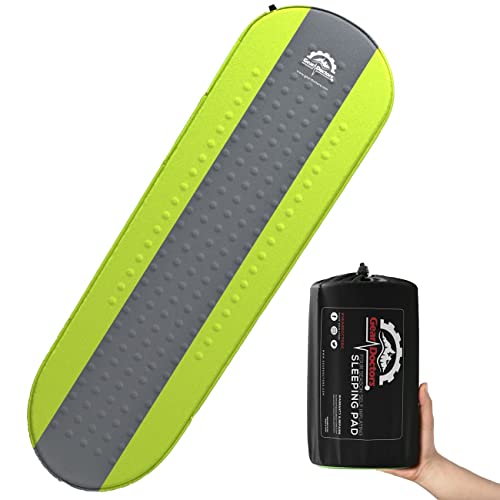 TOP CHOICEBest for cold weatherGear Doctors Oxylus 4.3 R-Value Insulated Air Foam Self Inflating Sleeping PadView on Amazon
- 3
 TOP CHOICEBest for backpackingPretyw Ultralight Camping Sleeping Pad with Pillow & Built-in Foot PumpView on Amazon
- 4
 Best for car campingFNARMW Camping Sleeping PadView on Amazon
- 5
 Best for thick cushioningLLUAII Camping Sleeping PadView on Amazon
- 6
 Best for wet groundSleeping Pad for Camping, Built-in Pump with PillowView on Amazon
Our Top Picks
Quick Comparison
| Product | Best for | Key feature |
|---|---|---|
| FUN PAC Camping Sleeping Pad | Overall use | Built-in foot pump |
| Gear Doctors Oxylus 4.3 | Cold weather | 4.3 R-value foam |
| Pretyw Ultralight Pad | Backpacking | Compact, lightweight build |
| Sleeping Pad with Built-in Pump | Wet ground | Waterproof surface |
| LLUAII Camping Sleeping Pad | Extra cushioning | 5.9-inch thickness |
| FNARMW Camping Sleeping Pad | Car camping | 5-inch thickness |
FUN PAC Camping Sleeping Pad
FUN PAC Camping Sleeping Pad, Ultralight Camping Mat with Pillow, Built-in Foot Pump Inflatable Sleeping Pads Compact for Camping Backpacking Hiking Traveling Tent,Single,Green
Best for: Overall use across seasons
A solid all-rounder for campers who want one pad for summer weekends and shoulder-season trips without overthinking specs.
Pros
- Built-in foot pump and pillow
- Packs into a compact stuff sack
Cons
- Not rated for deep winter use
Gear Doctors Oxylus 4.3 R-Value Insulated Air Foam Self Inflating Sleeping Pad
Gear Doctors® Oxylus 4.3 R-Value Insulated Air Foam Self Inflating Sleeping Pad Camping —Sleeping Pad Backpacking Air Mattress—Camping Mattress Self Inflating Camp Mat 4 Seasons Sleep Mat Compact Pack
Best for: Cold weather camping
Aimed at campers sleeping on cold ground in spring, fall, or winter, where insulation matters more than saving pack weight.
Pros
- 4.3 R-value insulation per the listing
- Self-inflating foam core reduces manual pumping
Cons
- Heavier than ultralight options
Pretyw Ultralight Camping Sleeping Pad with Pillow & Built-in Foot Pump
Camping Mattress, Compact Inflatable Portable Mat for Camping, Backpacking, Hiking, Car Traveling, Beach, Tent, Single, Green Ultralight Camping Sleeping Pad with Pillow & Built-in Foot Pump
Best for: Backpacking
Suited to hikers counting every ounce who still want a pillow and an easy inflation method at the campsite. 7 Best Self Inflatable Sleeping Pad Picks for Camping (2026) goes further into this.
Pros
- Compact when rolled and stowed
- Integrated pillow and foot pump
Cons
- Thinner profile than car-camping pads
Sleeping Pad for Camping, Built-in Pump with Pillow
Sleeping Pad for Camping, Built-in Pump with Pillow | Waterproof, Air Mattress for Backpacking, Hiking, Tent, Overnight Travel, Compact & Comfortable for Outdoor Adventures
Best for: Wet ground and damp campsites
A good fit for campers pitching on dew-soaked meadows or near water, where a waterproof surface helps keep moisture out.
Pros
- Waterproof surface per the listing
- Built-in pump and pillow
Cons
- Owners sometimes note slow deflation over long nights
LLUAII Camping Sleeping Pad
LLUAII Camping Sleeping Pad,5.9 Inch Thick Camping Mat with Built in Pillow and Foot Pump,Self Inflating Sleeping Pad for Camping Backpacking(Green
Best for: Extra cushioning
Designed for side sleepers and anyone who wants a thick, plush feel for comfortable car camping nights.
Pros
- 5.9-inch listed thickness
- Built-in pillow and foot pump
Cons
- Bulky when packed
FNARMW Camping Sleeping Pad
FNARMW Camping Sleeping Pad, Extra Thick 5 Inch Camping Mat with Pillow Built-in Foot Pump Inflatable Sleeping Pads Compact for Camping Backpacking Hiking Traveling Tent(Green)
Best for: Car camping and family trips
A practical choice for campers who bring the gear in the car and want thickness without going to the extreme.
Pros
- 5-inch listed thickness
- Built-in foot pump and pillow
Cons
- Not designed for backpacking weight limits
Buying Guide
R-Value and Insulation
R-value measures how well a pad resists heat loss into the ground. Pads in the 2 to 3 range generally suit summer use, while higher numbers suit cold nights. For more detail, see Sleeping Pad R-Value Explained: How Much Insulation You Need.
Thickness and Comfort
Thicker pads, roughly 4 inches and up, usually feel more cushioned for side sleepers. Thinner pads save pack space but can feel firm on hard ground.
Pack Size and Weight
Check the packed dimensions and listed weight against how you travel. Backpackers should prioritize compact stowage, while car campers can accept bulk for comfort.
FAQ
What R-value do I need for a self-inflating sleeping pad?
R-value measures how well a pad resists heat loss to the ground, so higher numbers mean more insulation. Pads for summer or mild weather typically have lower R-values, while pads meant for cold-weather or shoulder-season camping have higher ones. Check the manufacturer’s stated rating against the coldest temperatures you expect to face.
Is a self-inflating sleeping pad better than an air mattress for camping?
Self-inflating pads use open-cell foam that expands on its own when the valve is opened, so they usually need only a few final breaths to top off. They tend to offer more insulation and a firmer, more stable surface than basic air mattresses. Air mattresses can be lighter and sometimes more comfortable for side sleepers, but they generally insulate less.
How do I keep my self-inflating pad from deflating overnight?
Most slow leaks come from the valve not being fully sealed or from small punctures in the fabric. Make sure the valve is closed tightly after inflating, and check for leaks by listening or feeling for air escaping. Carrying a small repair kit with patches is a useful habit on longer trips.
How do I pack a self-inflating sleeping pad to make it smaller?
Open the valve and let the pad expand fully, then roll it from the end opposite the valve, pushing air out as you go. Close the valve once most of the air is out, and then use the compression straps or stuff sack to finish compacting it. Rolling the pad tightly while the valve is open is what gives you the smallest packed size. 6 Best Blow Up Sleeping Pads for Camping in 2026 goes further into this.
Can I use a self-inflating sleeping pad in winter?
Yes, but you should choose a pad with a high R-value and pair it with a warm sleeping bag and a closed-cell foam pad underneath for extra insulation. Cold ground pulls heat from your body quickly, so insulation under you matters as much as the bag above you. Cold weather also makes valves and foam stiffer, so inflate in a warmer spot when possible. 7 Best Sleeping Bags for Trekking Picks for Every Trip in 2026 goes further into this.
How do I clean and store my self-inflating pad?
Wipe the pad down with mild soap and water after trips, then let it air dry completely before storing it to prevent mildew. Store it unrolled and partially inflated in a cool, dry place rather than compressed in its stuff sack for long periods. Avoid leaving it in direct sun or near heat sources, which can degrade the materials.
Conclusion
If you want a well-rounded pad for most trips, the FUN PAC Camping Sleeping Pad is a good starting point, and cold-weather campers should look closely at the Gear Doctors Oxylus for its higher insulation rating. Backpackers who prioritize a small packed size will likely prefer the Pretyw Ultralight Camping Sleeping Pad, while car campers who value thickness and comfort may find the FNARMW or LLUAII models more appealing.
Before buying, match the R-value to your coldest expected temperatures, decide how much weight and pack space you can spare, and choose the thickness that suits your sleep style. Any of the six pads can work well when it fits your season and the way you camp.
Related reading
- 5 Best Self-Inflating Sleeping Pad Double Options for Camping in 2026
- Self-Inflating Sleeping Pads: How They Work and How to Care for Them
About Audrey Hayes
Audrey Hayes is part of our editorial team and reviews and edits our camping equipment guides, checking product details against manufacturer specifications and owner feedback.








