By Audrey Hayes
Updated November 2026
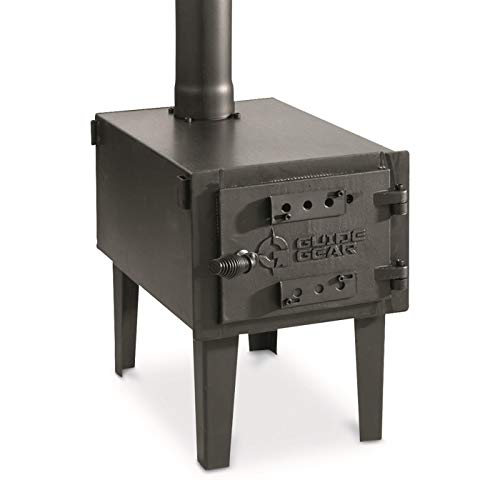
A camping wood stove heater can keep a tent or small shelter warm through cold nights when it is sized, vented and fueled correctly. This guide walks you through matching a stove to your shelter, installing it safely and running it without creating smoke, fire or carbon monoxide hazards. Treat every step as a minimum standard, and check the manufacturer’s manual for the specific model you choose.
Step 1: Match the Stove to Your Shelter
Start with the space you need to heat. Stove output is usually listed in BTUs, and a small stove rated for a few thousand BTUs per hour will suit a one- or two-person tent, while larger models are made for hot tents with a wall-mounted stove jack. Oversizing a stove leads to overheating and fast fuel burn, so choose the smallest unit that will hold your target temperature. For a broader look at tent-specific options, see 6 Best Camping Wood Burning Tent Stove Models for Winter Trips (2026).
Step 2: Plan Venting and Clearances
Venting is the most important safety factor. Manufacturers specify minimum clearances from walls, fabric and sleeping gear, and these distances often run well over a foot. Use a stovepipe rated for the stove, and fit a spark arrester and a heat-resistant jack where the pipe passes through the shelter wall or roof. Keep the pipe vertical as much as possible, since long horizontal runs cool the smoke and encourage creosote buildup.
Installation checklist
- Confirm the stove and pipe sizes match and the pipe is rated for wood-burning heat.
- Install a heat shield or floor protection under the stove, sized to the manufacturer’s spec.
- Set the stove on a level, non-combustible base, away from doors, walkways and bedding.
- Seal the jack and pipe joints so no smoke leaks back into the shelter.
- Test the setup with a small, short fire before lighting a full load.
Step 3: Choose and Load Fuel Correctly
Use dry, seasoned hardwood where you can, and split it into pieces small enough to fit the firebox with room for air. Wet or green wood smolders, produces heavy smoke and deposits creosote in the pipe. Avoid burning trash, painted or treated wood, and any material that is not clean, untreated fuel. Build a small kindling fire first, let it establish, then add larger pieces gradually.
Step 4: Run and Monitor the Stove Safely
Never leave a wood stove unattended, and never let it run hot enough to glow. Keep a fire extinguisher or a bucket of sand and a shovel within reach, and check the pipe and jack regularly for heat damage. Install a carbon monoxide alarm inside the shelter, and keep the vent or door cracked slightly for combustion air. If you are unsure about any step, consult a qualified professional or the manufacturer before using the stove indoors. For related safety guidance, see Using Camping Stove Indoors: A Safety-First Guide for Beginners.
Common mistakes to avoid
- Skipping the spark arrester or using a pipe not rated for wood heat.
- Placing the stove too close to walls, fabric or sleeping bags.
- Burning damp wood, which causes smoke, creosote and poor heat.
- Sleeping with the stove running hot or without a working CO alarm.
- Overloading the firebox, which can damage the stove and raise surface temperatures.
Recommended gear
A stove heat shield protects the tent floor and nearby gear from radiant heat and stray embers, and it is one of the simplest upgrades for a wood-burning setup. View on Amazon We also found Best Camping Stoves for Outdoor Cooking: 6 Stoves Compared useful on this point.
A carbon monoxide alarm gives you an early warning if combustion gases build up in a closed shelter, so it should be considered essential. View on Amazon
A fire-rated stovepipe spark arrester helps keep embers contained and reduces the risk of sparks reaching the shelter or surrounding vegetation. View on Amazon
FAQ
Can I use a camping wood stove heater inside a tent?
Only if the stove is designed for tent use, with a proper spark arrester, a rated stove jack and manufacturer-specified clearances. Even then, a carbon monoxide alarm and ventilation are required.
How much space should I leave around the stove?
Follow the clearance distances in your stove’s manual, which typically specify minimum gaps from walls, fabric and other combustibles. Do not rely on general rules of thumb.
What fuel is best for a small camping wood stove?
Dry, seasoned hardwood cut to fit the firebox works best. Avoid wet wood, treated lumber and any trash.
Conclusion
A camping wood stove heater works well when it is sized to your shelter, vented with rated pipe and run on dry fuel. Build clearance and a carbon monoxide alarm into every setup, and check the manufacturer’s manual before each trip. When safety margins are in place, a small stove can make cold-weather camping far more comfortable.
Related reading
- Camping Wood Stove DIY: A Step-by-Step Guide to Building Your Own
- Camping Stove Wood Burner: A Step-by-Step Guide for Beginners
Ready to choose one?
About Audrey Hayes
Audrey Hayes is part of our editorial team and reviews and edits our camping equipment guides, checking product details against manufacturer specifications and owner feedback.