By Audrey Hayes
Updated November 2026
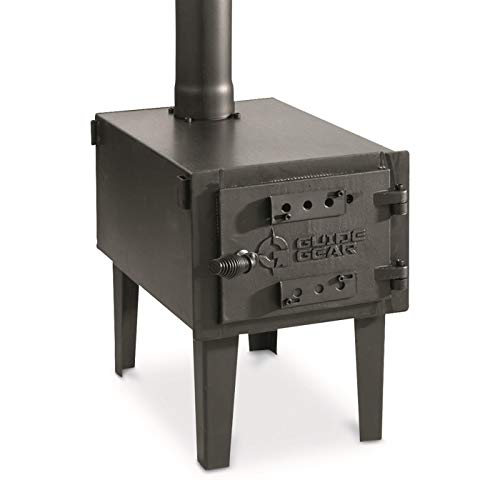
A camping stove wood burner lets you cook, heat a small shelter and keep warm using sticks and small logs instead of pressurized fuel. This guide covers how these stoves work, how to pick one for your group size and season, and how to light, fuel and run it safely. By the end, you will know what to look for and how to avoid the mistakes that cause smoky tents and wasted firewood.
How a Wood Burning Camping Stove Works
A wood burner stove camping setup uses a firebox, a grate and a flue. Air enters through the bottom vent, feeds the fire and exhaust gases leave through the chimney pipe. Most units are small steel or stainless boxes, and many include a cooktop surface for pots and kettles. Some fold flat for transport, while others are fixed in place inside a tent or hot tent.
Shopping for one? See our guide: 7 Best Coleman 2-Burner Camping Stove Models Compared for Car Camping (2026).
Because the heat comes from burning solid fuel, output depends on what you feed it. Dry, small-diameter wood burns hot and clean. Damp or large pieces smolder, produce smoke and leave you with poor heat.
Choose a Model by Group Size and Season
Match the firebox size to the job. A compact stove suits solo hikers and two-person trips, while larger units handle family camps and cold-weather base camps.
| Use case | Best fit | What to check |
|---|---|---|
| Solo or backpacking | Small folding stove | Low weight, packed size |
| Two-person car camping | Compact tent stove | Cooktop area, flue length |
| Family or winter base camp | Full tent stove | Firebox volume, heat shield clearance |
For winter, prioritize a stove that accepts longer logs and has a flue rated for the tent you plan to use. Our guide to Winter Camping Cooking: Stoves, Fuel and Water in the Cold explains how cold temperatures change fuel and water needs.
Set Up and Light the Stove Safely
Setup mistakes cause most smoke problems, so take your time with the install.
- Place the stove on a level, non-combustible base such as a steel plate or stone pad.
- Maintain the clearance your manufacturer specifies from tent walls and the roof.
- Assemble the flue with each section locked, and confirm the top exits outside the tent through a flashing or roof jack.
- Stack kindling in a teepee shape, add a few dry pencil-thick sticks, then light with the vent fully open.
- Once flames are steady, add split wood a few pieces at a time and adjust the vent to control burn speed.
Keep a fire extinguisher or a bucket of sand within reach, and never leave the stove unattended while it is burning. If you want more background, see 7 Best Portable Log Burner Wood Camping Stove Picks for Every Trip (2026).
Fuel and Run the Fire Efficiently
Use seasoned hardwood where local rules allow it, and split pieces to roughly two to three inches in diameter. Dry wood typically has a moisture content well below damp green wood, and manufacturers consistently recommend burning only dry fuel. Stack a small reserve by the stove so you can add wood without opening the door repeatedly. Check the flue for creosote or buildup after each trip, following the maintenance instructions in your owner’s manual. For general ventilation concerns during indoor use, see Using Camping Stove Indoors: A Safety-First Guide for Beginners.
Recommended gear
- A stove pipe spark arrestor or flue kit helps protect the tent fabric and keeps the connection tight. View on Amazon
- A heat-resistant stove mat or hearth pad protects the tent floor and sets the base level. View on Amazon
- Fire-safe gloves let you load logs and adjust hot parts without burns. View on Amazon
Common Mistakes and Tips
- Burning damp wood, which causes heavy smoke and rapid creosote buildup.
- Skipping the manufacturer’s clearance distances from the tent walls and ceiling.
- Loading large logs before the bed of coals is established.
- Forgetting to check the flue joints after the first hour of burn.
- Letting the fire smolder overnight without a clear plan for safe shutdown.
FAQ
Can I cook on a camping stove wood burner?
Many models include a flat cooktop that handles kettles and pots. Check the cooking surface size and the maximum pot weight in the manual before relying on it for meals.
What wood works best in a wood burner stove camping setup?
Dry hardwood split into small pieces burns hottest and cleanest. Avoid green wood, treated lumber and painted or glued scraps.
Do I need a special flue for a camping wood burner stove?
Yes. Use the flue kit designed for your stove, install a roof flashing, and keep the pipe sections locked together. Consult the manufacturer or a qualified professional if you are unsure about a tent installation.
Conclusion
A camping stove wood burner gives you heat and cooking power without carrying fuel canisters, as long as you match the model to your group and season. Set it up with proper clearances, burn only dry wood, and check the flue regularly. Follow these steps and your camp will stay warm, smoke-free and safe.
Related reading
Ready to choose one?
About Audrey Hayes
Audrey Hayes is part of our editorial team and reviews and edits our camping equipment guides, checking product details against manufacturer specifications and owner feedback.