
 By Audrey Hayes
Updated November 2026
If you are looking at a nemo eclipse sleeping pad, you probably want to know whether it will keep you warm, comfortable and off the cold ground on the trips you actually take. This roundup compares six sleeping pads across the criteria that matter most when choosing one: insulation (R-value), weight and packed size, comfort and thickness, season rating, and durability. The picks are ordered by how closely each one matches those criteria, and the buying guide below explains how to match a pad to your own season and sleeping style.
Our top picks at a glance
- 1
 TOP CHOICEBest overallNEMO Equipment Tensor Extreme Sleeping PadView on Amazon
- 2
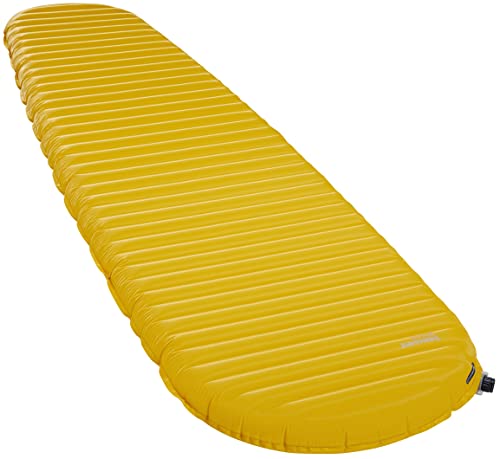 TOP CHOICEBest for cold-weather tripsTherm-a-Rest NeoAir Xlite NXTView on Amazon
- 3
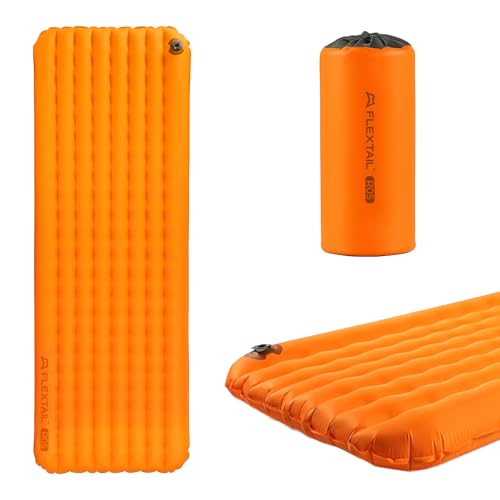 TOP CHOICEBest for backpacking weightFLEXTAILGEAR Ultralight Backpacking Sleeping PadView on Amazon
- 4
 Best for all-season backpackingBig Agnes Rapide SL Insulated Sleeping PadView on Amazon
- 5
 Best for car camping comfortTherm-a-Rest NeoLoft Lightweight Backpacking Sleeping PadView on Amazon
- 6
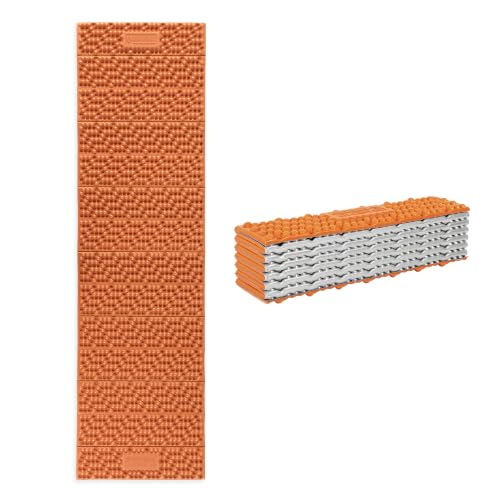 Best budget pickNEMO Equipment Switchback Foam Sleeping PadView on Amazon
Our Top Picks
Quick Comparison
| Product | Best for | Key feature |
|---|---|---|
| NEMO Equipment Tensor Extreme Sleeping Pad | Extreme cold and mountaineering | Insulated for extreme cold conditions |
| Therm-a-Rest NeoAir Xlite NXT | Cold-weather backpacking | Very low weight with high insulation |
| FLEXTAILGEAR Ultralight Backpacking Sleeping Pad | Lightweight backpacking | 5.6 R-value in a 19.6 oz pad |
| Big Agnes Rapide SL Insulated Sleeping Pad | All-season backpacking and hiking | Pumphouse inflation sack and heat-reflective film |
| Therm-a-Rest NeoLoft Lightweight Backpacking Sleeping Pad | Car camping and comfortable backpacking | Plush, cushioned feel in a lightweight build |
| NEMO Equipment Switchback Foam Sleeping Pad | Budget-minded and rugged use | Closed-cell foam that does not need inflating |
NEMO Equipment Tensor Extreme Sleeping Pad
NEMO Equipment Tensor Extreme Sleeping Pad-Black/Birch Bud/Citron-Reg Wide | Ultralight, Insulated, Made for Extreme Cold, Mountaineering, Trekking
Best for: Extreme cold and mountaineering
This pad suits campers who face sub-freezing ground temperatures, such as winter trekkers and mountaineers who need serious insulation and are willing to accept a higher weight for it.
Key specs
- Designed for extreme cold conditions, per the listing
- Ultralight construction, per the listing
- Insulated, regular wide sizing
Pros
- Built specifically for extreme cold and mountaineering use
- Insulation is the strongest of the group for winter conditions
- Wide regular sizing gives room for side sleepers
Cons
- Overkill for three-season trips where the cold is milder
- Costs more in weight and packed size than summer pads
Bottom line: Pick this if your trips regularly drop below freezing and you need the warmest pad in this lineup.
View on AmazonTherm-a-Rest NeoAir Xlite NXT
Therm-a-Rest NeoAir Xlite NXT Ultralight Camping and Backpacking Sleeping Pad, Solar Flare, Regular
Best for: Cold-weather backpacking
This is a common choice among backpackers who want high insulation without carrying much weight, and it is often recommended for shoulder-season and winter trips where pack weight matters.
Key specs
- Regular length, Solar Flare colorway, per the listing
- Ultralight camping and backpacking design, per the listing
Pros
- Strong balance of warmth and low weight
- Inflatable design packs down small
- Well-established line that owners frequently recommend for backpacking
Cons
- Inflatable pads require care to avoid punctures
- Regular length may be short for taller sleepers
Bottom line: A strong pick for backpackers who need real cold-weather insulation without a heavy pad.
View on AmazonFLEXTAILGEAR Ultralight Backpacking Sleeping Pad
FLEXTAILGEAR Ultralight Backpacking Sleeping Pad with 5.6 R-Value, Insulated Camping Pad, 4 in Thick 77 in Long Inflatable Sleeping Mat, 19.6 oz Compact Pad for Backpacking & Hiking, Pump Not Included
Best for: Lightweight backpacking
This pad fits hikers who count every ounce and still want a meaningful R-value for three-season camping. The pump is sold separately.
Key specs
- R-value of 5.6, per the listing
- Thickness of 4 inches, per the listing
- Length of 77 inches, per the listing
- Weight of 19.6 oz, per the listing
Pros
- Good R-value for its weight
- Generous 4-inch thickness for comfort
- Compact when packed
Cons
- Pump is not included, so you need to supply one
- Less proven track record than long-established brands
Bottom line: Choose this if you want a light three-season pad and already own or plan to buy an inflation method.
View on AmazonBig Agnes Rapide SL Insulated Sleeping Pad
Big Agnes Rapide SL – Insulated Sleeping Pad, Regular (20X72) | Ultralight, compact design for all-season backpacking and hiking with a Pumphouse inflation sack and heat-reflective film
Best for: All-season backpacking and hiking
This pad is aimed at hikers who want one pad to cover a range of conditions, with features designed to improve warmth and ease of inflation.
Key specs
- Regular size, 20 x 72 inches, per the listing
- Pumphouse inflation sack included, per the listing
- Heat-reflective film, per the listing
Pros
- Pumphouse sack speeds up inflation in the field
- Heat-reflective film adds warmth
- Designed for all-season use
Cons
- Regular width is narrower than wide options
- Inflation sack adds some packed bulk
Bottom line: A practical choice for hikers who want one versatile pad across seasons.
View on AmazonTherm-a-Rest NeoLoft Lightweight Backpacking Sleeping Pad
Therm-a-Rest NeoLoft Lightweight Backpacking Sleeping Pad, Regular Wide | NeoLoft Sleeping Pad blends ultralight innovation with car camping comfort
Best for: Car camping and comfortable backpacking
This pad suits campers who prioritize a cushioned sleep surface and are willing to trade a little pack weight for comfort, especially at a campsite close to the car.
Key specs
- Regular wide sizing, per the listing
- Designed to blend lightweight construction with car camping comfort, per the listing
Pros
- Plush feel suited to side sleepers
- Wide size adds room to move
- Lighter than typical car camping pads
Cons
- Heavier than dedicated ultralight pads
- Packed size is larger than compact backpacking models
Bottom line: Best for campers who want comfort first and still need something light enough to carry short distances.
View on AmazonNEMO Equipment Switchback Foam Sleeping Pad
NEMO Equipment Switchback Foam Sleeping Pad – Sunset Orange – Regular | Ultralight, Insulated, Packable, Durable, for Backpacking & Mountaineering
Best for: Budget-minded and rugged use
This closed-cell foam pad needs no pump and resists punctures better than inflatable designs, which makes it a reliable backup or a choice for rough terrain.
Key specs
- Regular length, per the listing
- Sunset Orange colorway, per the listing
- Ultralight, insulated, packable design, per the listing
Pros
- No inflation needed and no leak risk
- Durable against sharp objects
- Good as a backup or under an inflatable pad
Cons
- Thinner and less cushioned than inflatable pads
- Bulkier to carry than an inflatable of similar insulation
Bottom line: A dependable, low-maintenance pad for campers who value durability and simplicity over plush comfort.
View on AmazonBuying Guide
Insulation and R-Value
R-value measures how well a pad resists heat loss to the ground. Higher numbers mean more warmth. For three-season camping, many people find an R-value in the mid-range comfortable, while winter use calls for a higher number. Check the manufacturer’s stated R-value rather than guessing from thickness alone, since thick pads are not always the warmest.
Good picks for this: NEMO Equipment Tensor Extreme Sleeping Pad, Therm-a-Rest NeoAir Xlite NXT
Weight and Packed Size
If you carry your pad on your back, weight and packed volume matter a great deal. Ultralight pads often weigh under a pound, while plush car camping pads can weigh considerably more. Consider how far you will walk and how much other gear you carry.
Good picks for this: FLEXTAILGEAR Ultralight Backpacking Sleeping Pad, Therm-a-Rest NeoAir Xlite NXT
Comfort and Thickness
Thickness affects cushioning, and sleeping position affects how much you need. Side sleepers usually want more padding at the hips and shoulders. A wider pad also lets you shift position without rolling off.
Good picks for this: Therm-a-Rest NeoLoft Lightweight Backpacking Sleeping Pad, FLEXTAILGEAR Ultralight Backpacking Sleeping Pad
Length and Width Fit
Choose a length that covers your torso and legs without leaving your feet hanging off. Regular lengths typically suit people up to about 6 feet, and longer sizes exist for taller sleepers. Measure yourself before buying, and remember that a wide version gives more room than a regular width.
Good picks for this: Big Agnes Rapide SL Insulated Sleeping Pad, Therm-a-Rest NeoLoft Lightweight Backpacking Sleeping Pad
Inflatable Versus Closed-Cell Foam
Inflatable pads pack small and offer more comfort, but they can puncture. Closed-cell foam pads never leak and need no inflation, though they are bulkier. Many campers carry a foam pad as a backup or layer one under an inflatable for extra insulation.
Good picks for this: NEMO Equipment Switchback Foam Sleeping Pad, Big Agnes Rapide SL Insulated Sleeping Pad
Durability and Puncture Resistance
Look at the materials and construction. Owners often report that foam pads hold up well to rough ground, while inflatables benefit from careful site selection. Keeping a repair kit handy helps prolong any inflatable’s life.
Good picks for this: NEMO Equipment Switchback Foam Sleeping Pad, NEMO Equipment Tensor Extreme Sleeping Pad
Care and Storage
Store inflatable pads loosely rolled or unrolled rather than compressed for long periods, and dry them fully before packing to avoid mildew. Clean with mild soap and water, and avoid harsh solvents that can degrade coatings.
Good picks for this: Therm-a-Rest NeoAir Xlite NXT, Therm-a-Rest NeoLoft Lightweight Backpacking Sleeping Pad
FAQ
What does R-value mean for a sleeping pad?
R-value measures thermal resistance, or how well the pad keeps heat from escaping into the ground. A higher R-value means more insulation. Ground cold is often the main source of heat loss when camping, so R-value matters as much as the sleeping bag rating.
Is a nemo eclipse sleeping pad a good choice for winter camping?
It depends on the specific model and its stated R-value. For sub-freezing trips, look for a higher R-value and a cold-weather design, such as the Tensor Extreme in this roundup. Always confirm the manufacturer’s specifications before relying on any pad in winter conditions.
Do I need a pump for an inflatable sleeping pad?
Many inflatable pads are inflated by mouth, a pump sack, or a small electric pump. Some models, such as the FLEXTAILGEAR pad listed here, do not include a pump, so check whether one comes in the box before buying.
How do I find a leak in an inflatable pad?
Inflate the pad, then listen and feel for escaping air, or submerge sections in water and watch for bubbles. Mark the spot, dry the area, and apply a patch kit designed for your pad’s material.
Should I use a foam pad under an inflatable?
Many campers do, especially in cold weather. A closed-cell foam layer adds insulation and protects the inflatable from punctures underneath. This combination is a common approach for winter trips.
How long do sleeping pads last?
Lifespan depends on materials, care, and how often you use the pad. Inflatables with careful storage and prompt repairs often last many seasons, while foam pads tend to hold their shape well over time. Specific lifespans vary by product, so check the manufacturer’s warranty details.
Conclusion
For most campers, the best nemo eclipse sleeping pad alternative depends on the conditions you face. Choose the NEMO Tensor Extreme for extreme cold, the Therm-a-Rest NeoAir Xlite NXT for warm insulation at low weight, and the FLEXTAILGEAR pad if pack weight is your main concern. The Big Agnes Rapide SL suits all-season hikers, the Therm-a-Rest NeoLoft fits comfort-focused campers, and the NEMO Switchback foam pad is the sensible, durable choice for budget-minded or rough-terrain trips. Match the R-value, weight, and size to your trips, and consult the manufacturer’s specifications before relying on any pad in severe conditions.
For more background, see What R-Value for Sleeping Pad? 3-Season vs Winter Pads (2026), Sleeping Pad R-Value Explained: How Much Insulation You Need, Closed-Cell Foam Sleeping Pads: Pros, Cons and Uses, How to Find and Patch a Leak in an Air Sleeping Pad, and Best Sleeping Pads for Camping.
Sources
- Consumer product safety guidance that applies to outdoor equipment use and storage (cpsc.gov)
- Backcountry camping practices, site selection and Leave No Trace guidance (nps.gov)
- Outdoor and forest recreation information relevant to campsite conditions (usda.gov)
About Audrey Hayes
Audrey Hayes is part of our editorial team and reviews and edits our camping equipment guides, checking product details against manufacturer specifications and owner feedback.







