
 By Audrey Hayes
Updated November 2026
A good sleeping bag for hikers needs to balance warmth, weight and packed size, and it should fit the way you actually sleep. This list compares seven bags across those criteria: temperature rating, packed size, shape and fit, water resistance and how well each suits three-season trail use versus colder nights. Use it to narrow your options before you check specifications on each listing.
Our top picks at a glance
- 1
 TOP CHOICEBest overallMalloMe Sleeping Bags for Adults Cold Weather & WarmView on Amazon
- 2
 TOP CHOICEBest for water resistancePTEROMY Sleeping Bags for Adults, Lightweight and Machine WashableView on Amazon
- 3
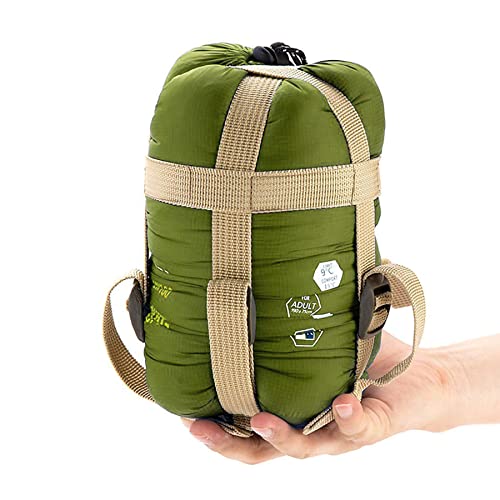 TOP CHOICEBest for compact packingECOOPRO Portable, Waterproof, Lightweight Sleeping BagView on Amazon
- 4
 Best for three-season tripsBORULL 3 Season Sleeping Bag Compact Lightweight Warm for AdultsView on Amazon
- 5
 Best for cold nightsColeman North Rim 0°F Sleeping Bag, Cold-Weather Mummy Sleep SackView on Amazon
- 6
 Best for cool-weather hikingTeton Trailhead, 20 Degree Sleeping BagView on Amazon
- 7
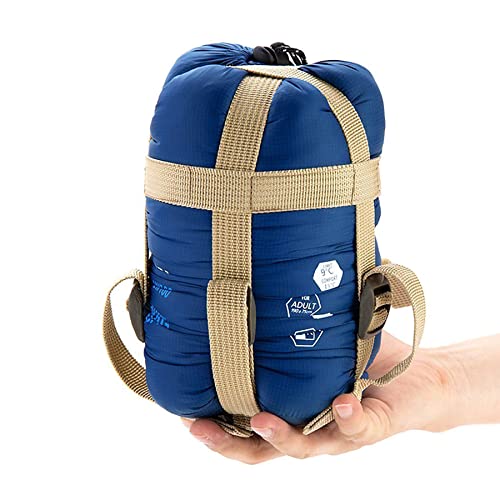 Best for warm-weather hikingECOOPRO Warm Weather Sleeping Bag – Portable, Waterproof, Compact LighView on Amazon
Our Top Picks
Quick Comparison
| Product | Best for | Key feature |
|---|---|---|
| MalloMe Sleeping Bags for Adults | Overall versatility | Cold and warm weather use |
| PTEROMY Sleeping Bags for Adults | Wet-weather trips | Water-resistant, machine washable |
| ECOOPRO Portable Waterproof Sleeping Bag | Minimal pack volume | Compression sack included |
| BORULL 3 Season Sleeping Bag | Three-season hiking | 40°F–65°F rated range |
| Coleman North Rim 0°F Sleeping Bag | Cold-weather camping | 0°F rating, big and tall fit |
| Teton Trailhead 20 Degree Sleeping Bag | Cool-weather backpacking | 20°F mummy shape |
| ECOOPRO Warm Weather Sleeping Bag | Warm-weather hiking | Lightweight, compact build |
MalloMe Sleeping Bags for Adults Cold Weather & Warm
MalloMe Sleeping Bags for Adults Cold Weather & Warm – Backpacking Camping Sleeping Bag for Kids, Girls, Boys – Lightweight Camping Essentials Gear Accessories Hiking Sleep Must Haves Single & Double
Best for: Overall versatility
This bag suits hikers who want one bag for mixed conditions, including cold and warm nights.
- Pros: Usable across cold and warm weather; lightweight build for trail carry
- Pros: Suitable for adults and kids as a camping essential
- Cons: Listing gives limited temperature detail, so check specs before a cold trip
PTEROMY Sleeping Bags for Adults, Lightweight and Machine Washable
PTEROMY Sleeping Bags for Adults, Lightweight and Machine Washable, Water Resistant Backpacking Camping Sleeping Bag for Warm Cold Weather, Camping Essentials for Hiking Travel (Blue, 1.35kg)
Best for: Wet-weather trips
Hikers who expect damp conditions or want a bag they can wash at home will find this one practical.
- Pros: Water-resistant shell suits rainy trails
- Pros: Machine washable for easier care
- Cons: Water resistance is not waterproofing, so keep it in a dry sack in heavy rain
ECOOPRO Portable, Waterproof, Lightweight Sleeping Bag
ECOOPRO Portable, Waterproof, Lightweight Sleeping Bag with Compression Sack – For Camping, Backpacking & Hiking
Best for: Minimal pack volume
Ultralight hikers who count every cubic inch will appreciate how small this bag packs down.
- Pros: Compression sack keeps pack volume low
- Pros: Waterproof shell adds protection from moisture
- Cons: Compressed packing can slightly reduce loft over time if stored tightly for long periods
BORULL 3 Season Sleeping Bag Compact Lightweight Warm for Adults
BORULL 3 Season Sleeping Bag Compact Lightweight Warm for Adults Camping | 87"x34" wide, packs to 9"x15". 40°F–65°F. Stuff sack included. Fits up to 6'2". Great for hiking, backpacking & scout trips.
Best for: Three-season hiking
This bag is listed for 40°F to 65°F use, a sensible range for spring, summer and early fall trails.
- Pros: Listed 40°F–65°F range matches three-season trips; packs to a small size
- Pros: Stuff sack included; listed to fit up to 6’2″
- Cons: Not rated for winter camping, so colder nights call for a warmer bag
Coleman North Rim 0°F Sleeping Bag, Cold-Weather Mummy Sleep Sack
Coleman North Rim 0°F Sleeping Bag, Cold-Weather Mummy Sleep Sack | Large cold-weather sleeping bag with no snag zipper, adjustable hood, big & tall fit, ideal for camping
Best for: Cold-weather camping
Hikers who face sub-freezing nights or need extra room for a larger frame will find this bag suited to that use.
- Pros: Rated to 0°F; big and tall fit with adjustable hood
- Pros: No-snag zipper reduces fabric catches
- Cons: Heavier and bulkier than three-season bags, which matters on long carries
Teton Trailhead, 20 Degree Sleeping Bag
Teton Trailhead, 20 Degree Sleeping Bag; Lightweight, Warm Mummy Sleeping Bag, Camping, Backpacking, Hiking
Best for: Cool-weather backpacking
A 20°F rating suits shoulder-season backpackers who expect cold nights but not extreme cold.
- Pros: 20°F rating covers cool-season trips; mummy shape retains heat
- Pros: Lightweight build for trail carry
- Cons: Mummy cut is snug, which some sleepers find restrictive
Buying Guide
Temperature Rating
The temperature rating tells you the lowest temperature a bag is designed to keep you comfortable in. Ratings vary by manufacturer, so compare the comfort rating rather than the extreme rating, and plan for a few degrees colder than the forecast low if you tend to sleep cold.
Weight and Packed Size
Every ounce and every cubic inch counts once you are carrying a pack for miles. Bags that compress into a small stuff sack or compression sack are easier to fit inside a backpack, while heavier insulated bags suit car camping and base camps better than long-distance trails.
Check whether the stated weight includes the stuff sack. Lightweight bags often trade some insulation or durability for lower weight, so decide which matters more on your typical trips.
Shape and Fit
Mummy-style bags follow the body and trap warmth efficiently, while rectangular bags offer more room to move. Height and width matter too, so look at the listed dimensions and maximum height and make sure the bag will not feel cramped or leave your feet exposed.
Water Resistance and Durability
Water-resistant shell fabrics help the insulation stay dry when condensation or light rain reaches the tent or ground. Full waterproofing is less common in sleeping bags, so consider a groundsheet or tent footprint, and check whether the fabric and zipper are rated for the kind of rough use you expect.
Season and Intended Use
Three-season bags work for spring, summer and fall trips, while cold-weather bags are built for winter or high-elevation camping and tend to be heavier and bulkier. Matching the bag to the seasons you actually hike in will serve you better than buying the warmest option available.
FAQ
What temperature rating do I need for a sleeping bag for hikers?
Choose a rating that is at or below the coldest nights you expect on your trips, and consider the comfort rating over the lower limit. Many three-season hikers find a bag rated around 20 to 40 degrees Fahrenheit covers most conditions. Adding a liner or extra layers can extend the range of a bag.
Is a mummy bag better than a rectangular bag for backpacking?
Mummy bags are generally warmer and lighter for their insulation level because they limit the air space your body must heat. Rectangular bags offer more room and comfort for side sleepers, but they usually weigh more. Pick based on how you sleep and how cold you expect to get.
Can a sleeping bag be used for kids on hiking trips?
Yes, several of the bags in this list are sized for younger users or for a wide range of heights. Check the listed dimensions and maximum height, since a bag that is too long can leave feet exposed and reduce warmth. Kids also benefit from a bag that is easy to open and close on their own.
Do I need a sleeping pad with my sleeping bag?
A sleeping pad is highly recommended, because the ground pulls heat away from your body even through a well-insulated bag. An insulated pad with a suitable R-value will do more to keep you warm on cold nights than adding bag weight. Many hikers pair their bag with a pad that matches the season.
How should I store my sleeping bag between trips?
Store the bag loosely in a large cotton or mesh sack rather than the compression sack, since long-term compression can reduce loft over time. Keep it in a cool, dry place and air it out after each trip to prevent moisture and odors. Following the manufacturer’s care instructions will help the insulation last.
Can I wash a sleeping bag for hikers at home?
Many sleeping bags can be machine washed on a gentle cycle with a mild, down-safe or synthetic-safe detergent, depending on the insulation type. Always check the care label first, since improper washing can damage the baffles and reduce loft. Air drying on low heat or with dryer balls helps restore the insulation.
Conclusion
For light, compact three-season hiking, the lighter options in this list suit backpackers who prioritize pack weight and packed size. For colder trips or car-based camping, the heavier cold-weather bags provide more warmth and a roomier fit, making them better choices when comfort matters more than weight.
If you are unsure which to pick, start with the coldest temperature you expect to face and your preferred sleeping shape, then choose the lightest bag that meets both needs. Verify final specifications on each product listing before you buy.
Related reading
- What Is a Glacier Edge Sleeping Bag and Is It Right for You?
- Top 6 Sleeping Bags for Summer Picks Compared for Warm Nights
- Top 5 Childrens Sleeping Bags for Camping Picks for Kids (2026)
- Top 3 Compression Sleeping Bag Sack Options for Backpacking
- Synthetic or Down Sleeping Bag (2026): Which Is Better for You?
About Audrey Hayes
Audrey Hayes is part of our editorial team and reviews and edits our camping equipment guides, checking product details against manufacturer specifications and owner feedback.








