By Audrey Hayes
Updated November 2026
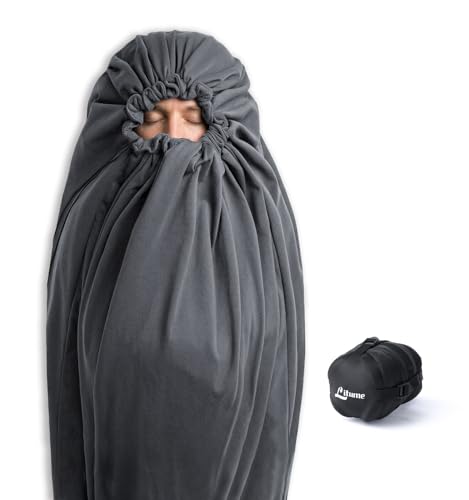
A happy nappers sleeping bag is a child-sized, zip-free style of bag built around a soft plush wrap that keeps a small camper secure and warm in a sleeping position. It works best for young children on mild nights, sleepovers and car camping, but it is not designed for cold or extreme conditions. Check the manufacturer’s stated temperature rating and fit before you rely on one outdoors.
Why Happy Nappers Bags Are Popular With Families
Many parents choose a happy nappers sleeping bag because it feels more like a blanket than a traditional mummy bag. Young children often resist being zipped into a bag, and the wrap-style design makes getting in and out simpler. Owners often report that the plush interior and soft exterior are comfortable for kids who run warm, and the bag can double as a cozy layer at home.
Shopping for one? See our guide: Sleeping Bag for Bikepacking: 6 Best Picks Compared (2026).
The trade-off is insulation. Plush fabrics trap heat well at room temperature, but they compress and lose loft faster than a true insulated bag when the air gets cold. A happy nappers sleeping bag is closer to a fleece blanket than a winter sleeping bag, so treat it that way.
Factors That Affect How Warm It Will Keep Your Child
Several variables matter more than the bag itself:
- Air temperature: Manufacturers typically state a comfort or limit rating. If forecast lows fall below that number, add layers or a warmer bag.
- Sleeping surface: Heat loss to the ground is significant. A foam pad or inflatable pad under the bag makes a noticeable difference. Our guide to Sleeping Pad R-Value Explained: How Much Insulation You Need covers how to match a pad to conditions.
- Clothing: A dry base layer and a warm hat help a child stay comfortable inside any bag.
- Fit: A bag that is too large lets cold air circulate. One that is too tight compresses insulation. Check the listed height and weight range against your child.
- Moisture: Condensation and dew can soak plush fabric. Keep it stored in a dry place and see How to Keep Your Sleeping Gear Dry for storage tips.
For a broader look at how these ratings work, see Sleeping Bag Temperature Ratings Explained: Comfort, Limit and Extreme.
What to Do Before Your Next Trip
- Read the manufacturer’s temperature rating and compare it to the lowest forecast overnight low.
- Confirm the size chart matches your child’s height and weight.
- Add a sleeping pad under the bag, even on warm nights.
- Pack a backup blanket or extra layer in case the night turns cold.
- Test the bag at home for a full night before the trip.
- Wash according to the care label and let it air dry fully before storing.
If you are comparing options across different kid-sized bags, Best Kids Sleeping Bags lists styles and features side by side.
What We’d Use
For a plush, zip-free option similar to the happy nappers style, look for a fleece-lined wrap-style kids’ bag: View on Amazon.
For colder nights, a child-sized mummy-style bag with a stated comfort rating offers more reliable warmth: View on Amazon.
FAQ
Can a happy nappers sleeping bag be used in winter camping?
Generally no. These plush bags are designed for mild conditions. For freezing temperatures, choose a bag with a published rating well below the expected low, and consult a pediatric or outdoor safety professional for guidance on cold exposure in children.
Does a happy nappers sleeping bag need a sleeping pad?
A pad is strongly recommended, even in warm weather. Ground contact pulls heat away from the body, and a pad adds insulation and comfort on any surface.
How do I know if the bag fits my child?
Compare your child’s height and weight to the manufacturer’s size chart. Choose a size that allows comfortable movement without large gaps around the body.
Related reading
- Summer Sleeping Bags, Quilts and Liners
- Sleeping Bag Liners, Pumps and Pad Couplers Explained
- How to Evaluate Sleeping Bags and Pads From Listings
- How to Choose a Cold Weather Sleeping Bag
Ready to choose one?
About Audrey Hayes
Audrey Hayes is part of our editorial team and reviews and edits our camping equipment guides, checking product details against manufacturer specifications and owner feedback.