 By Audrey Hayes
Updated November 2026
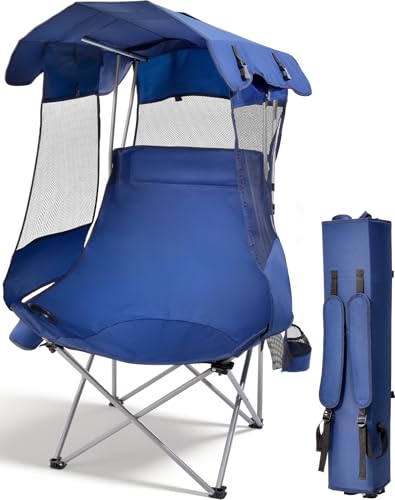
A folding camping chair in bag is one of the simplest pieces of gear you can carry, and it is also one of the easiest to get wrong. By the end of this guide, you will know how to judge the chair itself, how to check whether the carry bag will actually close around it, and how to pack and store the setup so it stays usable season after season. The goal is a chair you will reach for at the campsite instead of one that sits in the trunk because it is awkward to carry.
Step 1: Decide How You Will Carry It
Before you look at any specs, decide how far the chair needs to travel. A folding camping chair in bag that rides in a car trunk has very different needs from one that hikes a half-mile from the parking area. Your carry method sets the limits on weight, packed length and bag design.
Shopping for one? See our guide: 4 Best Camping Folding Chairs with Canopy Picks for Shade and Comfort (2026).
- Car camping: Weight matters less. Look for a larger chair with more padding and a bag with generous handles.
- Walk-in sites: Keep the packed weight low and the bag compact enough to fit in a backpack side pocket or on top of a pack.
- Bike or kayak trips: Choose a bag with a slim profile and secure closure, since loose straps can snag.
Manufacturers typically list both a folded size and a weight. Use those figures to decide whether your trip style leaves room for the chair.
Step 2: Check the Chair’s Frame and Weight Rating
The frame material and load rating determine how long the chair holds up and how it feels to sit in. Most folding camping chairs use aluminum, steel or a fiberglass-reinforced composite. Aluminum is lighter and resists rust, while steel is heavier but often feels more stable on uneven ground.
| Feature | Lightweight build | Standard build | Heavy-duty build |
|---|---|---|---|
| Typical frame | Thin aluminum | Aluminum or steel tubing | Thick steel or reinforced aluminum |
| Packed weight range | Under about 4 lb | About 5 to 10 lb | Often over 10 lb |
| Best for | Hiking, backpacking | General car camping | Larger adults, long stays |
| Trade-off | Less stability on soft ground | Balanced | Bulkier to carry |
Always check the manufacturer’s stated weight capacity. If you are close to that limit, choose a heavier-duty model. Owners often report that chairs used near their rated maximum develop wobble and joint wear sooner.
Seat Height and Recline
A low seat is comfortable for some people and hard to get out of for others. Seat heights on folding camping chairs commonly fall between about 10 and 18 inches off the ground. If you have knee or hip issues, a higher seat with armrests will be easier to stand up from. Recline positions are a bonus rather than a requirement, but they add weight and parts that can fail, so weigh the benefit against your needs.
Step 3: Confirm the Carry Bag Fits the Folded Chair
This is where many buyers run into trouble. A bag labeled for a certain chair may be sized for the chair’s folded length alone, without accounting for armrests, cup holders or a stiff backrest that does not compress fully. Before you buy or reuse a bag, measure the folded chair in three dimensions: length, width and thickness.
- Fold the chair following the manufacturer’s instructions, and make sure no part is forced.
- Measure the longest side, the widest side and the thickest point.
- Compare those numbers with the bag’s internal dimensions, not its outer size. Bag walls and zipper flaps take up space.
- Leave about half an inch of extra room in each dimension so the zipper closes without strain.
If your bag is worn out or lost, Replacement Camping Chair Bags: How to Find the Right Fit (2026) explains how to match a new bag to your chair’s measurements.
Bag Features That Matter
- Shoulder strap or padded handle: A strap that sits across the body spreads the load better than a single short handle.
- Zipper or hook-and-loop closure: Full-length zippers hold the chair more securely, while hook-and-loop closures open faster.
- Outer pocket: Useful for stakes, a small tarp or a stuff sack for chair accessories.
- Water-resistant fabric: Helpful if the bag sits on wet grass or rides in an open truck bed.
If you want a chair that fits the bag in a particular way, Foldable Camping Chair with Bag: How to Choose the Right One (2026) covers the pairing from the buyer’s side.
Step 4: Set Up and Pack the Chair Correctly
A folding camping chair in bag lasts longest when you use the same packing routine each time. Forcing a chair into its bag or folding it in the wrong order stresses hinges and fabric seams.
Setup Steps
- Clear a flat area free of sharp rocks, pinecones and sticks.
- Pull the chair out of the bag and open the frame slowly, checking that each leg locks.
- Test the seat by pressing down gently before sitting.
- Confirm the chair sits level. If one leg sinks, shift the chair or use a flat board underneath.
Packing Steps
- Stand the chair upright and release any recline lock.
- Fold the chair in the order the manufacturer shows, usually armrests first.
- Slide the folded chair into the bag bottom first, then close the top.
- Keep the bag off wet ground and store it out of direct sun when possible.
Tools and Supplies to Keep With the Chair
A few small items make the chair easier to set up and maintain in the field.
- A small piece of foam or a folded mat for soft ground
- A spare set of tent stakes to anchor the chair in windy sites
- Mild soap, water and a soft brush for cleaning fabric after muddy trips
- A fabric repair patch and seam tape for small tears
Common Mistakes
- Buying the bag before measuring the folded chair. Measure first, then shop.
- Forcing the zipper. A strained zipper often breaks before the bag does.
- Packing a wet chair. Trapped moisture leads to mildew in fabric and frame pivots.
- Ignoring the weight rating. Overloaded frames can bend at the joints.
- Setting up on a slope. A tilted chair is less stable and can slide when you lean back.
- Storing the chair folded for long periods. Let it air out and store it loosely in a dry place between seasons.
Tips for Getting More From Your Setup
- Practice setup at home first so you know the sequence in the dark or in bad weather.
- Label the bag or add a colored tag so it stands out in a crowded gear pile.
- Rinse sandy fabric before packing, since grit wears down seams over time.
- Check hinge bolts and rivets at the start of each season and tighten any that feel loose.
Recommended Gear
Many people pair a folding camping chair in bag with a small set of accessories. These items are widely available and fit the chair style described above.
- Coleman Portable Quad Chair: A widely sold folding chair with a built-in carry case, useful as a reference for how bag and chair are typically sold together. View on Amazon
- Helinox Chair One: A lightweight backpacking chair that owners often pick for its small packed size and simple bag. View on Amazon
- Rocky Mountain Shelter Tent Stakes Set: Helps anchor a chair or small shelter in windy conditions. View on Amazon
FAQ
What size bag do I need for a folding camping chair?
Measure the chair in its folded state, then choose a bag with internal dimensions about half an inch larger in each direction. Manufacturer listings usually include folded dimensions to compare against.
Can I use any bag for a folding camping chair?
You can, as long as the folded chair fits without forcing the zipper. Bags designed for a different chair often have too little depth for armrests or thick padding.
How much weight can a folding camping chair hold?
This depends on the model. Check the manufacturer’s stated limit and stay below it. Chairs used close to their maximum load wear out faster.
How do I clean a folding camping chair bag?
Spot clean with mild soap and water, then air dry fully before storing. Avoid machine washing unless the manufacturer says it is safe.
Should I store the chair folded or unfolded?
Store it folded in its bag, but only after it is completely dry. Keep it in a cool, dry place away from direct sun.
Are folding camping chairs safe for older adults or people with mobility issues?
Some models have higher seats and armrests that make standing easier, but personal needs vary. Consult a physical therapist, doctor or other qualified professional before relying on a chair for mobility support.
How do I keep a folding camping chair from sinking into soft ground?
Place a flat board, foam pad or small mat under the feet. This spreads the load and keeps the chair level.
Conclusion
A folding camping chair in bag works best when the chair, bag and trip style all fit together. Check the frame and weight rating, measure the folded chair before you choose a bag, and set up and pack it the same way each time. Small habits like drying the fabric and checking hinges will keep the setup reliable for many seasons.
Related reading
- Top 3 Folding Camping Chairs with Table Picks for Every Trip
- Folding Directors Chair Camping: How to Choose the Right One (2026)
Ready to choose one?
About Audrey Hayes
Audrey Hayes is part of our editorial team and reviews and edits our camping equipment guides, checking product details against manufacturer specifications and owner feedback.