 By Audrey Hayes
Replacement camping chair bags are one of the easiest fixes for a worn-out folding chair, and getting the right one comes down to three things: matching the packed size of your chair, checking the closure and strap layout, and confirming the fabric and zipper will hold up to how you actually camp. This guide walks you through measuring your chair, deciding between an exact-match and a universal bag, and spotting the features that separate a bag you will use for years from one that splits at the seam by the second trip.
Why a Replacement Camping Chair Bag Matters
The carry bag is often the first part of a folding chair to fail. Zippers jam with sand, seams fray where the bag rubs against a vehicle floor, and handles tear when a loaded chair is lifted by one strap. Once the bag gives out, the chair itself gets tossed loose in the trunk, where it picks up grit, bends frame joints and scuffs the fabric. A good replacement protects the chair between trips and keeps the packed footprint predictable, which matters when you are fitting a chair, a cooler and a tent into the same space.
Shopping for one? See our guide: 6 Best Ultralight Lightweight Camping Chair Options for Backpacking (2026).
Replacement bags also make sense if you already own a chair you like. Rather than buying a new chair, you can restore the packed setup you had before. Many owners find that a replacement bag in a slightly different color or fabric helps them tell chairs apart in a group gear pile.
Step 1: Measure Your Chair in Its Folded State
Before you shop, measure the chair as it sits folded and strapped, not as it is laid flat. Manufacturers usually list a packed size in their specifications, but those numbers can be rounded or measured with the chair compressed differently than you will pack it. Your own measurement is more reliable.
- Fold the chair completely, following the same sequence you use at the campsite.
- Measure the longest dimension, usually the length of the frame or the leg-and-seat stack. Record it in inches.
- Measure the width and thickness at the thickest point, often where the armrests or cup holder sit.
- Add about half an inch to each dimension so the bag does not fight the chair when you slide it in.
- Note whether the chair has a carry handle, shoulder strap or a dedicated pocket for stakes or a cup holder, since these affect the bag layout.
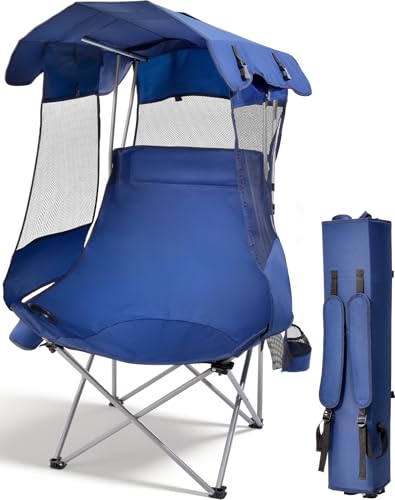
If the chair has a canopy or side pockets, measure the chair without them and then decide whether you want a bag that includes those pockets or one sized only for the frame.
Step 2: Decide Between Exact-Match and Universal Bags
There are two main routes to a replacement. An exact-match bag is made for a specific chair model and uses the original dimensions, strap positions and attachment points. A universal bag is sized by range, usually described as a length and width window, and relies on adjustable straps or a generous opening to fit several chair designs.
| Factor | Exact-Match Bag | Universal Bag |
|---|---|---|
| Fit | Snug and matched to original straps | Looser, may leave gaps or bunch fabric |
| Availability | Limited to one chair model | Works across several chairs |
| Best for | Restoring a favorite chair | Replacing a lost bag on a chair with a common size |
| Risk | Discontinued models may not be stocked | Strap or zipper placement may not line up |
If you are not sure the original manufacturer still sells a replacement, check the chair brand’s parts page first. If nothing matches, a universal bag sized slightly larger than your measurements is usually the next best option.
Step 3: Check the Closure, Straps and Handles
The closure is where most replacement bags fail. A bag that is perfect on paper can still be frustrating if the zipper is too short to close over the packed chair or if the handle sits in the wrong place for the chair’s balance point.
Zipper Length and Type
Measure the zipper path you need: it should run the full length of the bag opening and go a little past the top corners so the chair slides in without forcing the fabric. Heavy-duty coil zippers are common on bags meant for frequent use. Look for pull tabs that are large enough to grip with gloves on.
Strap and Handle Placement
Good bags place the carry handle near the center of gravity of the packed chair. If the handle sits too far toward one end, the chair will swing and bang against your legs. Shoulder straps should be padded and adjustable, and the attachment points should be bar-tacked or double-stitched rather than just glued.
Step 4: Evaluate Fabric and Construction
Fabric weight is usually described in denier, where a higher number means a heavier, more abrasion-resistant weave. Polyester and nylon are the most common choices for camp chair bags. Polyester handles UV exposure better and resists stretching, while nylon tends to feel softer and can offer more tear resistance for its weight. Many owners prefer a coated fabric because it sheds water and grit more easily.
Check the stitching at the handle roots, the corners and the zipper ends. These are the stress points. A bag with reinforced corners and bar-tacked handle anchors will hold up far better than one with simple single-line stitching. Interior pockets are useful for stakes, a small cup holder or a repair kit, but they should be sewn in a way that does not bunch the main compartment.
Step 5: Confirm Fit by Test-Packing
Whenever possible, test the fit before you head out. If you bought a universal bag, fold the chair, slide it in and close the zipper. Note whether the chair shifts, whether the zipper pulls against the frame, and whether the bag lies flat when stored in the trunk. Make small adjustments with the included straps and reposition the chair if needed. If the fit is off by more than an inch in any direction, return the bag or try a different size before your next trip.
Common Mistakes to Avoid
- Measuring the chair unfolded or with the canopy attached, which leads to a bag that is too large or the wrong shape.
- Buying solely on color or brand without checking the zipper length and handle placement.
- Ignoring strap attachment method. Glued or lightly stitched straps tend to fail first.
- Packing a damp chair into the bag, which encourages mildew and odor. Let the chair dry fully before storing it.
- Overfilling the bag with stakes, mallets or cups, which stretches the seams and strains the zipper.
Tips for Getting the Most From a Replacement Bag
- Keep the chair clean and dry before folding, and wipe grit off the frame so it does not rub through the fabric.
- Store the bag with the chair inside rather than leaving it folded in a hot car for weeks.
- Lubricate the zipper coils lightly with a dry silicone-based product if the slider starts to catch.
- If the bag gets a tear, a patch sewn with heavy thread will often outlast a quick adhesive fix.
- Label the bag with your name or a tag so it is not confused with a similar chair at a group campsite.
Recommended Gear
- A tape measure with inch and centimeter markings makes it easy to record the folded dimensions accurately before you shop. View on Amazon
- A small tube of dry silicone zipper lubricant helps keep the zipper running smoothly in sand and cold weather. View on Amazon
- A basic sewing kit with heavy-duty thread and a curved needle is useful for patching a torn seam or reinforcing a loose handle. View on Amazon
FAQ
Can I use a universal bag for any folding camping chair?
Often yes, but only if the packed dimensions fall within the bag’s stated range and the handle placement suits your chair’s balance. Test the fit before relying on it.
How do I know if my chair’s original bag is still available?
Check the manufacturer’s parts or accessories page, then search by the chair model name and any part number printed on the frame or tag.
What fabric lasts longest for a camp chair bag?
Coated polyester and nylon are both common and durable. Heavier denier ratings generally resist abrasion better, but weight and packability also matter.
Should I get a bag with side pockets?
Side pockets are helpful for stakes, a cup holder or a small kit, but they add bulk. Choose them if you carry those items regularly.
How do I repair a torn zipper on a chair bag?
For a slider that has come off, a pair of pliers can often reseat it on the track. For a broken track, a replacement zipper is usually the more reliable fix.
Can a replacement bag fix a chair that is damaged?
A bag protects the chair but does not repair frame or fabric damage. If the chair is bent or torn, repair or replace the chair before packing it.
How often should I replace a camp chair bag?
There is no fixed interval. Replace it when the zipper no longer closes reliably, the handles pull loose or the fabric shows deep abrasion or tears that a patch cannot hold.
Conclusion
A well-chosen replacement bag protects your folding chair, keeps your trunk organized and saves you from buying a new chair too soon. Measure the folded chair carefully, choose between an exact-match and a universal design, and check the zipper, straps and stitching before you commit. Test the fit at home, and your chair will be ready to pack for many more trips.
Related reading
- YETI Trailhead Camping Chair Review (2026)
- Top 5 Camping Folding Chairs with Canopy Picks for Shade and Comfort
- Top 5 Best Outdoor Camping Chairs Compared for Every Trip
Ready to choose one?
About Audrey Hayes
Audrey Hayes is part of our editorial team and reviews and edits our camping equipment guides, checking product details against manufacturer specifications and owner feedback.