
 By Audrey Hayes
Updated November 2026
Choosing a camp mat sleeping pad comes down to a few practical questions: how cold the nights will be, how much your pack can carry, whether you sleep on your side or back, and how much setup effort you want at the campsite. This guide compares six pads that cover the main needs, from budget closed-cell foam mats to inflatable pads with built-in pillows. The selection criteria are specifications, brand reputation and common owner feedback patterns, including insulation, packed size, thickness, comfort and durability. We have not tested these products ourselves; the descriptions rely on listing details and manufacturer-stated specs.
Our top picks at a glance
- 1
 TOP CHOICEBest overallFUN PAC Camping Sleeping Pad, Ultralight Camping Mat with Pillow, BuilView on Amazon
- 2
 TOP CHOICEBest for compact travelCamping Mattress, Compact Inflatable Portable Mat for Camping, BackpacView on Amazon
- 3
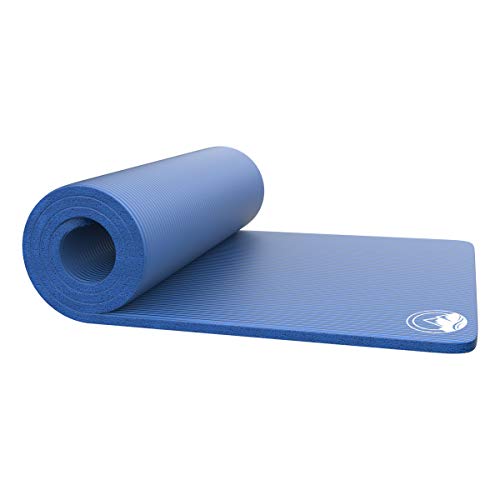 TOP CHOICEBest for cots and tentsWakeman Outdoors Foam Sleeping Pad for Camping, Blue, 72x24x0.75in | TView on Amazon
- 4
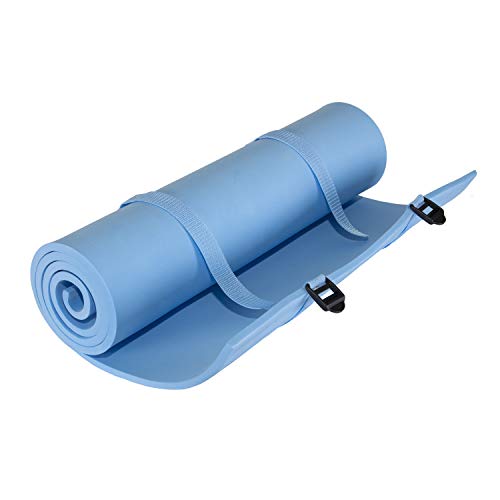 Best for rugged tripsStansport Pack Lite Camping & Backpacking Sleeping Pad – Lightweight CView on Amazon
- 5
 Best for cold-ground warmthAehma Foam Sleeping Mat, Aluminum Insulated Camping Pad for Tent FloorView on Amazon
- 6
 Best budget pick for backpackingFoam Camping Pads for Sleeping, Foldable Closed Cell Foam Camping MattView on Amazon
Our Top Picks
Quick Comparison
| Product | Best for | Key feature |
|---|---|---|
| FUN PAC Camping Sleeping Pad | General camping with a pillow | Built-in foot pump and pillow |
| Pretyw Ultralight Camping Sleeping Pad | Compact travel and car camping | Compact inflatable design |
| Wakeman Outdoors Foam Sleeping Pad | Cots, tents and sleepovers | Thick foam with carry straps |
| Stansport Pack Lite Camping Sleeping Pad | Rough terrain and durability | Puncture-resistant closed-cell foam |
| Aehma Foam Sleeping Mat | Cold ground conditions | Aluminum foil heat-reflecting layer |
| Foam Camping Pads for Sleeping | Ultralight backpacking | Foldable closed-cell foam |
FUN PAC Camping Sleeping Pad, Ultralight Camping Mat with Pillow, Built-in Foot Pump Inflatable Sleeping Pads Compact for Camping Backpacking Hiking Traveling Tent, Single, Green
FUN PAC Camping Sleeping Pad, Ultralight Camping Mat with Pillow, Built-in Foot Pump Inflatable Sleeping Pads Compact for Camping Backpacking Hiking Traveling Tent,Single,Green
Best for: General camping and comfort-focused sleepers who want a pillow included
This pad suits campers who want an inflatable mattress that packs down small and includes a pillow. It is a reasonable first pad for weekend trips and car camping where comfort matters more than the lightest possible weight.
Key specs
- Single-person sleeping size
- Inflatable with built-in foot pump
- Integrated pillow
- Green color
Pros
- Built-in foot pump removes the need for a separate pump
- Pillow included, so there is one less item to pack
- Compact stowed size suits backpacks and tent storage
Cons
- Inflatable pads can lose air over long nights and may need topping up
- Insulation depends on the pad’s R-value, which should be confirmed against the listing before cold-weather use
Bottom line: A good match for campers who want comfort, a pillow and easy setup for mild to moderate conditions.
View on AmazonPretyw Ultralight Camping Sleeping Pad with Pillow & Built-in Foot Pump | Camping Mattress, Compact Inflatable Portable Mat for Camping, Backpacking, Hiking, Car Traveling, Beach, Tent, Single, Green
Camping Mattress, Compact Inflatable Portable Mat for Camping, Backpacking, Hiking, Car Traveling, Beach, Tent, Single, Green Ultralight Camping Sleeping Pad with Pillow & Built-in Foot Pump
Best for: Compact travel and multi-use trips such as car camping, beach days and tent stays
This pad is aimed at people who move between several activities and want one inflatable mat for all of them. Its listing emphasizes portability, so it fits travelers who need to save space in a vehicle or pack.
Key specs
- Single-person size
- Inflatable with built-in foot pump
- Integrated pillow
- Designed for camping, hiking, beach and car travel
Pros
- Listed for a wide range of uses, from beach to tent
- Built-in pump and pillow simplify setup
- Compact design for limited storage
Cons
- Like most inflatables, it needs periodic re-inflation and care to avoid punctures
- Thermal performance is not stated in a way that suits winter use, so cold-weather buyers should check details first
Bottom line: Best for people who want one portable pad for varied outings rather than a dedicated winter mat.
View on AmazonWakeman Outdoors Foam Sleeping Pad for Camping, Blue, 72x24x0.75in | Thick Waterproof Sleep Pad with Carry Straps for Cots, Tents, Sleepovers or Camping Essentials
Wakeman Outdoors Foam Sleeping Pad for Camping, Blue, 72x24x0.75in | Thick Waterproof Sleep Pad with Carry Straps for Cots, Tents, Sleepovers or Camping Essentials
Best for: Cots, tents and sleepovers where a full-length, thick foam pad is easy to use
This is a foam pad rather than an inflatable, which makes it simpler to use with a cot or on a tent floor. It suits families, kids’ sleepovers and campers who value a no-fuss pad over the lightest weight.
Key specs
- Dimensions: 72 x 24 x 0.75 inches
- Blue color
- Waterproof foam construction
- Carry straps included
Pros
- Full-length 72-inch size gives generous coverage
- Foam will not lose air, so there is nothing to inflate
- Carry straps make transport easier
Cons
- Bulkier to carry than folding or rolled inflatables
- Thickness of 0.75 inches gives less cushioning than thicker air pads for hard ground
Bottom line: A practical choice for tent or cot use where space and setup speed matter more than packing small.
View on AmazonStansport Pack Lite Camping & Backpacking Sleeping Pad – Lightweight Closed Cell Foam Mat – Waterproof & Puncture-Proof – Roll-Up Portable Design for Hiking & Outdoor Sleep – Straps Included
Stansport Pack Lite Camping & Backpacking Sleeping Pad – Lightweight Closed Cell Foam Mat – Waterproof & Puncture-Proof – Roll-Up Portable Design for Hiking & Outdoor Sleep – Straps Included
Best for: Rough terrain and campers who want a pad that cannot go flat
Closed-cell foam pads do not depend on air, which makes them a strong option for trips where punctures are a concern. This model is aimed at hikers and campers who expect rocky or abrasive ground.
Key specs
- Closed-cell foam construction
- Waterproof and puncture-resistant as described in the listing
- Roll-up design with straps
Pros
- Cannot lose air, so no leaks to find
- Roll-up design is quick to pack
- Straps included for carrying outside a pack
Cons
- Foam pads are firmer and thinner than most inflatables, which can feel less comfortable for side sleepers
- Rolled foam takes up more pack space than a folded inflatable of similar comfort
Bottom line: Good for durable, leak-proof sleep on hard ground, especially for hikers who value reliability over plush comfort.
View on AmazonAehma Foam Sleeping Mat, Aluminum Insulated Camping Pad for Tent Floor | Reflecting Heat keep sleeping warm, Material Aluminum Foil and Foam, waterproof, ultralight, easy foldable, easy cleaning
Aehma Foam Sleeping Mat, Aluminum Insulated Camping Pad for Tent Floor | Reflecting Heat keep sleeping warm, Material Aluminum Foil and Foam, waterproof, ultralight, easy foldable, easy cleaning
Best for: Cold-ground conditions where a reflective layer adds warmth
This pad combines foam with an aluminum foil layer intended to reflect body heat back toward the sleeper. It suits campers in cool weather or shoulder seasons who want a simple, light insulating mat.
Key specs
- Materials: aluminum foil and foam
- Waterproof and foldable
- Ultralight construction as described
Pros
- Reflective layer adds some warmth without extra bulk
- Foldable and easy to wipe clean
- Works well as a tent floor layer under other pads
Cons
- Reflective foil adds little insulation compared with a true high-R-value pad in deep cold
- Foam cushioning is thin, so pair it with a softer layer for comfort
Bottom line: A sensible pick for cool nights and as an extra layer, but not a replacement for a winter-rated pad.
View on AmazonFoam Camping Pads for Sleeping, Foldable Closed Cell Foam Camping Mattress, Waterproof Outdoor Sleeping Mat for Ultralight Backpacking Thru-Hiking
Foam Camping Pads for Sleeping, Foldable Closed Cell Foam Camping Mattress, Waterproof Outdoor Sleeping Mat for Ultralight Backpacking Thru-Hiking
Best for: Ultralight backpacking and budget-conscious thru-hikers
Foldable closed-cell foam pads are a long-standing choice for backpackers who want low weight and no failure points. This listing targets thru-hikers who want a simple, dependable pad.
Key specs
- Closed-cell foam construction
- Foldable and waterproof
- Designed for backpacking and thru-hiking
Pros
- Lightweight and easy to strap to the outside of a pack
- No inflation or leaks
- Foldable design packs more compactly than a rolled mat
Cons
- Thinner foam offers limited cushioning on hard ground
- Insulation is modest, so cold-weather users may need to layer with another pad
Bottom line: A strong fit for backpackers who prioritize weight and reliability over plush comfort.
View on AmazonBuying Guide
Insulation and R-Value
Insulation is the factor that most affects how warm you stay, because the ground pulls heat from the body through the pad. Manufacturers often publish an R-value, where a higher number means more resistance to heat loss. For most three-season camping, many campers look for a moderate R-value, while winter trips call for a higher one. Closed-cell foam and reflective layers add warmth but generally offer less insulation than a well-built insulated inflatable. For a deeper look at the numbers, see Sleeping Pad R-Value Explained: How Much Insulation You Need and What R-Value for Sleeping Pad? 3-Season vs Winter Pads (2026).
Good picks for this: Aehma Foam Sleeping Mat, Pretyw Ultralight Camping Sleeping Pad
Pad Type: Foam vs Inflatable
Closed-cell foam never loses air and resists punctures, which suits rough ground and backcountry trips. Inflatables pack smaller and feel softer but need inflation and occasional repair. If you are deciding between pad styles, Closed-Cell Foam Sleeping Pads: Pros, Cons and Uses and Self-Inflating Sleeping Pads: How They Work and How to Care for Them explain the trade-offs in more detail.
Good picks for this: Stansport Pack Lite Camping Sleeping Pad, FUN PAC Camping Sleeping Pad
Size, Length and Fit
Check the sleeping surface length against your height. A 72-inch pad leaves room for most adults, while shorter pads suit children or ultralight trips where a sit pad doubles as a sleeping surface. Width matters for side sleepers and for couples sharing space. Measure your tent floor or cot before buying so the pad fits without overhanging.
Good picks for this: Wakeman Outdoors Foam Sleeping Pad, Foam Camping Pads for Sleeping
Weight and Packed Size
If you carry your gear on foot, weight and packed volume matter more than comfort. Foldable foam pads pack flat against the outside of a pack, while rolled foam takes a different shape. Compact inflatables can be small when stowed but add the weight of the pump and valve system. Compare the listed weight and stowed dimensions against your pack’s capacity.
Good picks for this: Foam Camping Pads for Sleeping, Pretyw Ultralight Camping Sleeping Pad
Durability and Puncture Resistance
Abrasion and sharp objects are the most common causes of pad failure. Closed-cell foam is naturally puncture-resistant, while inflatables depend on the fabric and seams. If you camp on gravel, in brush or in areas with pine needles and rocks, a foam pad or a pad with a tough outer layer is often the safer choice. For repair steps on inflatables, see How to Find and Patch a Leak in an Air Sleeping Pad.
Good picks for this: Stansport Pack Lite Camping Sleeping Pad, Wakeman Outdoors Foam Sleeping Pad
Comfort and Sleep Style
Side sleepers generally need more cushioning at the hips and shoulders than back or stomach sleepers, so a thicker or inflatable pad often feels better. If you move a lot at night, a wider pad also reduces the chance of rolling off. For more on this, see Best Sleeping Pad for Side Sleepers: What to Look For (2026).
Good picks for this: FUN PAC Camping Sleeping Pad, Wakeman Outdoors Foam Sleeping Pad
Care and Maintenance
Foam pads need only a wipe-down and dry storage, and they should not be compressed for long periods if you want them to keep their shape. Inflatables benefit from being stored loosely rolled, dried completely after wet trips and checked for leaks before a trip. Keeping the pad clean and dry extends its life regardless of type. For inflatable care, Is It Tips for Using Self Inflating Sleeping Pad? 6 Practical Tips covers practical habits.
Good picks for this: Aehma Foam Sleeping Mat, Stansport Pack Lite Camping Sleeping Pad
FAQ
What is the difference between a camp mat and a sleeping pad?
The terms are used interchangeably in most listings. Both refer to a padded layer you place under a sleeping bag to add cushioning and insulation from the ground. Some sellers use “camp mat” for foam models and “sleeping pad” for inflatables.
Is a foam pad or an inflatable pad better for camping?
Neither is better in every case. Foam is durable and never goes flat, which suits rough sites and backpacking. Inflatables are usually more comfortable and pack smaller, but they need inflation and care. Your terrain, pack space and sleep style should guide the choice.
How thick should a camping sleeping pad be?
Thickness affects cushioning more than warmth. Many campers find a pad around 0.75 to 2 inches comfortable for most ground, with thicker pads preferred by side sleepers. Warmth depends mainly on insulation rating and material, not thickness alone.
Can I use a foam pad in winter?
You can, but many foam pads offer limited insulation for deep cold. Winter campers often stack a foam pad under an insulated inflatable to add both warmth and puncture protection. Check the manufacturer’s stated R-value before relying on any pad in freezing conditions.
How do I keep an inflatable sleeping pad from leaking?
Store it loosely rolled rather than compressed, keep it away from sharp objects and dry it fully after wet trips. Checking for leaks before each trip and carrying a repair kit also helps. Small leaks can often be patched using the methods in the related leak-repair guide.
Do I need a sleeping pad if I have a cot?
A cot raises you off the ground, so a pad is less necessary for warmth from the soil. Many campers still add a thin foam pad for extra padding and to reduce cold from the cot frame or fabric. Comfort and personal preference decide this.
How long do camping sleeping pads usually last?
Lifespan varies widely with use, storage and care. Foam pads can last many seasons if kept dry and unpressed, while inflatables depend on seam and valve condition. Regular inspection gives you the best sense of when a pad needs replacing.
Conclusion
For general camping with added comfort, the FUN PAC Camping Sleeping Pad is a sensible starting point. Campers who travel often may prefer the Pretyw Ultralight Camping Sleeping Pad for its compact, multi-use design. The Wakeman Outdoors Foam Sleeping Pad suits cots, tents and family trips, while the Stansport Pack Lite Camping Sleeping Pad is better for rough ground. The Aehma Foam Sleeping Mat adds a bit of warmth for cool nights, and the Foam Camping Pads for Sleeping fit thru-hikers who want the lightest reliable option. Match the pad to your terrain, weight limit and sleep style, and check the specifications on each listing before you buy.
Sources
- Consumer safety guidance on product hazards and recalls relevant to outdoor gear (cpsc.gov)
- Backcountry camping guidance on campsite conditions and Leave No Trace practices (nps.gov)
- Information on ground conditions, soil and vegetation that affect campsite comfort and hygiene (usda.gov)
About Audrey Hayes
Audrey Hayes is part of our editorial team and reviews and edits our camping equipment guides, checking product details against manufacturer specifications and owner feedback.




