 By Audrey Hayes
Updated November 2026
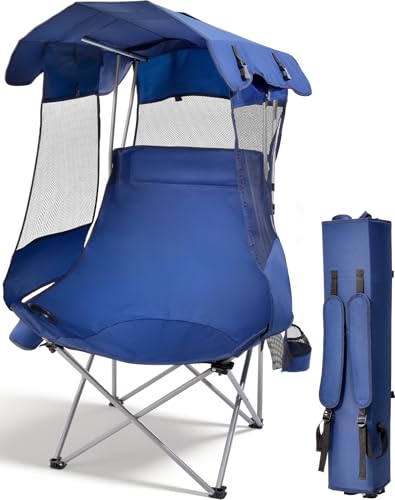
An oversized camping chair rated for 500 lbs is built to support a much heavier load than standard folding chairs, which usually top out around 250 to 300 lbs. This guide explains how to read a weight rating, what construction details actually matter, and how to check whether a chair will hold up under real use. By the end, you should be able to compare oversized camping chair 500-lb capacity models with confidence and avoid the most common buying mistakes.
What a 500-Lb Capacity Rating Actually Means
A weight rating is a static load figure set by the manufacturer. It usually reflects how the chair performed under a stationary test load, often with the weight distributed across the seat and backrest. It does not tell you how the chair will handle repeated sitting, shifting weight, or the stress of getting in and out of a low seat. Think of the 500-lb number as the upper boundary of a safe margin, not a target you should aim for.
Shopping for one? See our guide: 10 Best Oversized Folding Camping Chairs for Comfort in 2026.
Most manufacturers specify the rating as the maximum user weight. Some also list a separate figure for the frame or a single-point load. If the spec sheet only gives one number, look for language that explains the test method. Ratings that come with a stated test standard are easier to trust than a bare number on a box.
Step 1: Confirm the Rating Is Stated Clearly
Start by checking the product listing and the manufacturer’s spec sheet. A reliable listing will state the capacity in pounds, the frame material, and the seat dimensions. Be cautious with listings that repeat a large number in the title but leave the rest of the specs vague.
- Look for a capacity figure in the product specifications, not only in marketing copy.
- Check whether the rating applies to the whole chair or only to a component.
- Confirm the weight limit appears in the owner’s manual or care instructions if one is provided.
Step 2: Evaluate the Frame and Materials
The frame does most of the work in an oversized chair. Steel frames are common in heavy-duty designs because they resist bending better than aluminum of the same thickness. Aluminum is lighter and easier to carry, but thin-walled aluminum tubing can flex under high loads, especially at joints. Check the tube diameter and wall thickness when the manufacturer lists them.
Welds and Joints
Look at the points where the legs meet the seat frame and where the armrests attach. Clean, consistent welds are a good sign. Riveted or bolted joints can work well if the hardware is heavy gauge and the holes are reinforced. Loose or wobbly hardware on a display model is a warning sign.
Feet and Ground Contact
Wider feet spread the load across more ground and reduce sinking on soft turf or sand. Feet with a small contact area can dig in, which strains the legs and changes how the chair sits. Some owners add rubber caps or wider foot pads to improve stability.
Step 3: Check Seat Width, Depth and Height
A high weight rating does not help if the seat is too narrow or too low for your body. Measure the seat width across the widest point and the depth from the back to the front edge. Many oversized models offer seat widths in the range of about 24 to 30 inches, though exact figures vary by brand. Compare the listed seat height as well. A seat that sits very close to the ground is harder to get out of, particularly for users with knee or hip concerns.
Step 4: Assess Fabric and Stitching
Fabric weight matters. Heavier denier polyester or nylon resists tearing and sagging better than light fabrics. Look for double-stitched seams at stress points, including the corners of the seat and the backrest attachment. Some chairs use a mesh or sling style, which can be comfortable but may stretch over time under heavy loads. Check the listing for fabric weight or material description.
Step 5: Think About Packed Size and Weight
An oversized chair with a 500-lb rating is naturally heavier and bulkier than a standard model. Before buying, consider how you will transport it. Measure your vehicle trunk or the space in your car, and check the packed dimensions listed by the manufacturer. If you plan to hike to a site, weight may matter more than capacity, and a lighter model with a slightly lower rating could be a better fit for your use.
Quick Checklist Before You Buy
- Capacity is stated clearly in pounds, with a test standard if available.
- Frame material and tube thickness are listed.
- Welds or joints look clean and consistent in photos or reviews.
- Seat width, depth and height fit your body.
- Fabric is heavy-duty with reinforced seams.
- Packed size fits your vehicle or carrying plan.
- Replacement parts or a warranty are available.
Comparing Features at a Glance
| Feature | What to Look For | Why It Matters |
|---|---|---|
| Weight rating | 500 lb stated with test context | Confirms the chair is designed for your load |
| Frame | Steel or thick-wall aluminum | Resists bending and joint failure |
| Seat width | Wide enough for comfortable seating | Prevents pressure on armrests and sides |
| Feet | Broad, stable contact pads | Reduces sinking and wobble |
| Fabric | Heavy denier with double stitching | Limits tearing and sagging |
| Packed size | Fits your vehicle or carry plan | Makes transport practical |
Common Mistakes
- Trusting the title over the spec sheet. Keyword-heavy titles can overstate what a chair does. Always check the detailed specifications.
- Ignoring seat height. A chair that is comfortable at 500 lb but too low to stand up from can be frustrating and risky.
- Setting up on uneven ground. Uneven ground strains joints and can shift weight unevenly, even on a high-rated chair.
- Overlooking the frame when buying on looks. Attractive fabric does not indicate structural strength.
- Skipping the manual. Follow the setup and locking instructions every time, since partially locked joints can fail.
Tips for Safe Use
- Set up on firm, level ground and confirm all locks engage before sitting.
- Sit down and stand up slowly, using the armrests for support.
- Inspect joints, fabric and feet before each trip and after rain or sand exposure.
- Store the chair dry and out of direct sun to prolong the fabric.
- Do not use a chair with cracked welds, bent tubing or torn seams.
Recommended gear
A few supporting items can make an oversized chair safer and more comfortable on the trail or at a campsite.
- Wide-foot ground pads or rubber feet caps help the legs grip soft ground and reduce sinking. Look for pads sized for the chair’s foot diameter. View on Amazon
- A heavy-duty chair carry bag with padded straps protects the fabric and makes transport easier. View on Amazon
- A small level or leveling blocks help you set the chair on slopes or uneven sites without shifting weight unevenly. View on Amazon
FAQ
Does a 500-lb rating mean the chair is safe for any user at that weight?
The rating is a manufacturer’s limit under test conditions. Real-world use, ground conditions and how you sit all affect performance. Treat the rating as an upper boundary and follow the manufacturer’s instructions.
Is steel or aluminum better for an oversized chair?
Steel generally resists bending better at the same thickness and is common in heavy-duty designs. Aluminum is lighter and easier to carry, but thin tubing can flex. Check tube thickness on the spec sheet.
How wide should the seat be?
Measure your hip width and add space for comfort. Many oversized models list seat widths in the mid-20-inch to near-30-inch range, but fit depends on your body and sitting style.
Can I use an oversized chair on sand or soft ground?
Wider feet or foot pads help reduce sinking. On very soft sand, a wide base is important, but stability still depends on setting up level and evenly.
How do I know if the frame has a weld problem?
Look for cracks, uneven bead shape or discoloration near joints. Any visible crack or bent tube means the chair should not be used. If you are unsure, consult the manufacturer or a qualified repair professional.
Are folding chairs with a high rating heavier to carry?
Usually, yes. Heavier frames and thicker fabric add weight. Check the listed weight and packed dimensions before buying, especially if you hike to your site.
How often should I inspect an oversized camping chair?
Inspect it before and after each trip. Check joints, locking mechanisms, fabric seams and feet. Repair or replace damaged parts before using the chair again.
Conclusion
A 500-lb rating is a useful starting point, but the best oversized chair combines a clear spec sheet, a sturdy frame, adequate seat dimensions and well-made fabric. Work through the checklist, compare the features that matter for your body and your trips, and confirm that the packed size fits how you travel. Careful setup and regular inspection will help the chair perform reliably for many seasons.
Related reading
- Camping Chair 300 Lb Capacity: How to Choose One That Holds Up (2026)
- How to Choose a Camping Chair: Height, Capacity and Packed Size
- YETI Trailhead Camping Chair Review (2026)
- Two Seater Camping Chair: How to Choose the Right One for Two (2026)
- Top 5 Best Outdoor Camping Chairs Compared for Every Trip
Ready to choose one?
About Audrey Hayes
Audrey Hayes is part of our editorial team and reviews and edits our camping equipment guides, checking product details against manufacturer specifications and owner feedback.