 By Audrey Hayes
A mac sports heavy duty camping chair is built for campers who need more support, more stability and more durability than a standard lightweight folding seat provides. This guide walks you through how to judge whether a Mac Sports model fits your body size, your camping style and your storage space. By the end, you will know which specifications to compare, what to check before buying, and how to get the most life out of the chair once you own it.
What “Heavy Duty” Means for a Mac Sports Camping Chair
“Heavy duty” is a marketing phrase, not a standard, so the first step is translating it into numbers. Mac Sports sells chairs in several weight classes and frame styles, and the specifications on each product page are what you should trust. Manufacturers typically list a maximum user weight, seat width, seat height, frame material and packed dimensions. Those five figures tell you more than any product name.
Heavy duty chairs generally share a few traits: a wider seat base, thicker tubing or reinforced joints, and a higher rated capacity than general-purpose chairs. They also tend to weigh more, which affects how far you can comfortably carry them from the car to the campsite.
Step 1: Confirm the Weight Rating Against Your Body Weight
Start with the maximum user weight printed in the product listing. Do not stop at the rating, though. Manufacturers usually test chairs under controlled, static conditions, and real use involves shifting, leaning back and sitting down hard. Most experienced buyers give themselves a margin of at least 20 percent below the stated limit.
How to apply the margin
- Note your current body weight, including any gear you regularly carry in your lap, such as a phone, a cooler bag or a book.
- Multiply the stated maximum by 0.8 to get a practical working limit.
- If your weight falls below that working limit, the chair should handle normal camp use comfortably.
- If you are close to the working limit, consider stepping up to a higher-capacity model rather than testing the rating.
Owners often report that chairs feel noticeably stiffer or less forgiving when used near their maximum rating, so comfort is a reason to leave headroom even when the chair technically supports you.
Step 2: Check Seat Width and Seat Height
Seat width determines whether your hips and thighs sit comfortably without pressing against the armrests. Many campers focus on capacity and forget that a chair can be rated for a heavier person yet still feel tight if the seat is narrow. Measure your own hip width while seated on a flat chair, then compare it to the seat width listed in the specifications. For a deeper look, 7 Best Heavy Duty Campfire Cooking Equipment for Camp Cooks (2026) covers this in detail.
Seat height matters for getting up and down. A low seat is comfortable for lounging but can be difficult for older campers or anyone with knee or hip concerns. If you have mobility limitations, consult a physical therapist or your doctor about which seat height is appropriate before purchasing.
Step 3: Evaluate the Frame and Joints
The frame is where most failures happen. Look for the frame material and tubing diameter in the listing. Aluminum frames are lighter and resist rust, while steel frames are heavier but often tolerate harder use. Pay attention to the points where the legs fold and where the armrests attach, since these take the most stress.
When you handle a chair in a store or review photos, check for:
- Thick, reinforced crossbars rather than thin stamped connectors
- Riveted or bolted joints instead of plastic-only connectors
- Locking mechanisms that click firmly when the chair is opened
- Rubber or plastic feet that protect the frame from ground contact
Step 4: Assess the Seat Fabric and Sling
Heavy duty chairs usually use a polyester or nylon sling, often with a ripstop weave. Ripstop resists tearing from small punctures, which matters around fire pits and sharp gear. Check the denier rating if it is listed; higher denier generally means a tougher fabric, though it can also mean more weight. Make sure the sling is removable or replaceable if you expect years of use, since slings are the most common wear item.
Step 5: Compare Packed Size and Weight
A chair that cannot fit in your vehicle is not a useful chair. Measure your trunk or the space behind your rear seats, then compare that to the packed dimensions and carry weight on the product page. Remember that heavy duty construction adds mass, so a chair that fits in the trunk may still be tiring to carry long distances across a campground.
| Factor | What to look for | Why it matters |
|---|---|---|
| Weight rating | At least 20% above your body weight | Protects against frame fatigue and keeps comfort high |
| Seat width | Wider than your hip measurement with room to spare | Prevents pinching and restricted movement |
| Frame material | Aluminum for weight, steel for toughness | Affects durability and how far you can carry it |
| Joints | Riveted or bolted connections | Joints are the most common failure points |
| Sling fabric | Ripstop polyester or nylon, replaceable if possible | Resists tears and extends total lifespan |
| Packed size | Fits your vehicle with room for other gear | A chair you cannot transport is not usable |
Step 6: Match the Chair to Your Camping Style
Where and how you camp should shape your choice. Car campers at established sites can accept more bulk and weight in exchange for stability and comfort. Backpackers and motorcycle campers need a much lighter option, and a heavy duty Mac Sports model is usually the wrong tool for those trips. Overlanding and rough-terrain camping favor sturdy chairs with wide feet that resist sinking into soft ground.
If you camp with a partner, you may also want to compare a larger double-seat option. Readers weighing that choice can review 7 Best Mac Sports Double Camping Chair Options for Two (2026) to see how the two-person format changes weight and packed size.
If you are still unsure whether a heavy duty model justifies the extra bulk, Are Lightweight Camping Chairs Worth It? lays out the trade-offs clearly.
Step 7: Compare Against Other Heavy Duty Options
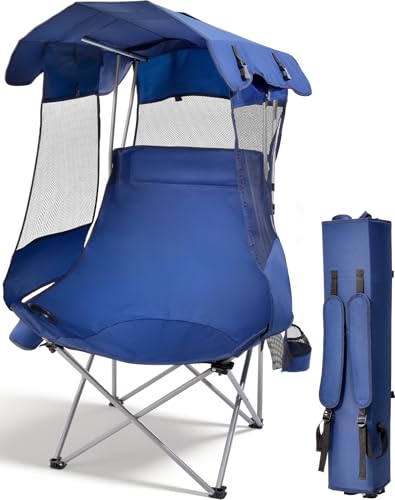
Mac Sports is one of several brands offering high-capacity camp seats. Before deciding, it helps to see how the category as a whole performs. 6 Best Heavy Duty Camping Chairs for Big Campers and Rough Use (2026) compares several models built for similar loads, and 10 Best Heavy Duty Camping Chairs with Canopy Picks for Every Need (2026) covers versions that add shade, which can be useful in open sites.
For a broader look at how frame and comfort features trade off, How to Choose a Camping Chair: Height, Capacity and Packed Size gives a useful framework you can apply to any brand.
Step 8: Inspect the Chair Before Every Trip
Even a well-built chair needs a quick check before you rely on it. Make this a routine part of loading your vehicle.
- Open the chair fully on a flat surface and confirm every locking mechanism engages with a firm click.
- Wiggle the armrests and back for any play at the joints.
- Look for bent tubing, cracked welds or loose rivets.
- Check the sling for fraying, thinning fabric or stitching that has pulled loose.
- Test the chair with a gentle, controlled sit before anyone uses it fully.
Common Mistakes to Avoid
- Buying to the exact weight limit. Staying well below the rating protects the frame and keeps the seat comfortable.
- Ignoring seat width. A chair that is rated high but fits poorly will be uncomfortable for hours.
- Forgetting packed size and carry weight. Heavy duty construction adds mass, which becomes a problem on long walks.
- Setting up on soft or uneven ground. Uneven footing puts uneven stress on the joints. Use a level spot or a ground board.
- Storing the chair wet. Trapped moisture speeds up rust on steel parts and mildew on fabric. Dry it completely before packing.
- Sitting down quickly or dropping into the chair. Sudden loads are the main cause of joint damage, so lower yourself slowly.
Tips for Longer Life
- Rinse off sand and salt after beach or coastal camping, since grit works into hinges.
- Apply a light silicone-based lubricant to moving joints once or twice a season, following the manufacturer’s guidance.
- Store the chair in a dry, ventilated place rather than a sealed damp bin.
- Keep the sling out of direct sun for long periods, since UV exposure weakens synthetic fabric over time.
Recommended gear
These items support the same outdoor setup and make a heavy duty chair easier to use day to day.
- Ground board or footprint for the chair. A flat, rigid base keeps the feet from sinking into soft soil and helps the chair sit level. View on Amazon
- Replacement chair sling. Keeping a spare sling on hand lets you repair a worn seat without replacing the whole chair. View on Amazon
- Silicone lubricant spray. A light lubricant keeps folding joints moving smoothly and reduces grit buildup. View on Amazon
- Carry bag with shoulder straps. A padded bag spreads the weight of a heavier chair across your shoulder, which makes long walks more manageable. View on Amazon
FAQ
How much weight should a heavy duty camping chair hold?
Choose a chair rated at least 20 percent above your body weight, including regular carry items. This margin keeps the frame from working near its limit and makes the seat more comfortable during long sits.
Are Mac Sports heavy duty chairs good for backpacking?
Generally no. Heavy duty chairs are built for car camping and stationary use because their extra strength adds weight and bulk. Backpackers usually need a much lighter seat.
How do I clean a camping chair sling?
Wipe the fabric with mild soap and water, rinse with clean water, and let it air dry fully before folding the chair. Avoid harsh solvents, which can weaken the coating on the fabric.
Can I replace the seat fabric if it tears?
Many heavy duty chairs use slings that can be replaced, but availability depends on the specific model. Check the manufacturer’s parts information before buying, and keep the original model number handy.
How do I know if the frame is damaged?
Look for bent tubing, cracked welds, loose rivets or joints that feel sloppy. If a locking mechanism fails to engage, stop using the chair until it is inspected or repaired.
Does seat height matter for older campers?
Yes. Lower seats are harder to rise from, which can strain knees and hips. If mobility is a concern, consult a physical therapist or doctor about the most suitable seat height.
Is a heavy duty chair worth it compared with a standard folding chair?
For larger campers, frequent users or anyone who wants a stable, long-lasting seat, usually yes. For occasional campers with lighter body weight and limited vehicle space, a standard chair may be the better fit.
Conclusion
Choosing a mac sports heavy duty camping chair comes down to matching the rated capacity, seat width and frame construction to your body and your camping style. Build in a weight margin, check the joints and sling, and confirm the packed size fits your vehicle. A short inspection before each trip will keep the chair safe and comfortable for years of use.
Ready to choose one?
About Audrey Hayes
Audrey Hayes is part of our editorial team and reviews and edits our camping equipment guides, checking product details against manufacturer specifications and owner feedback.