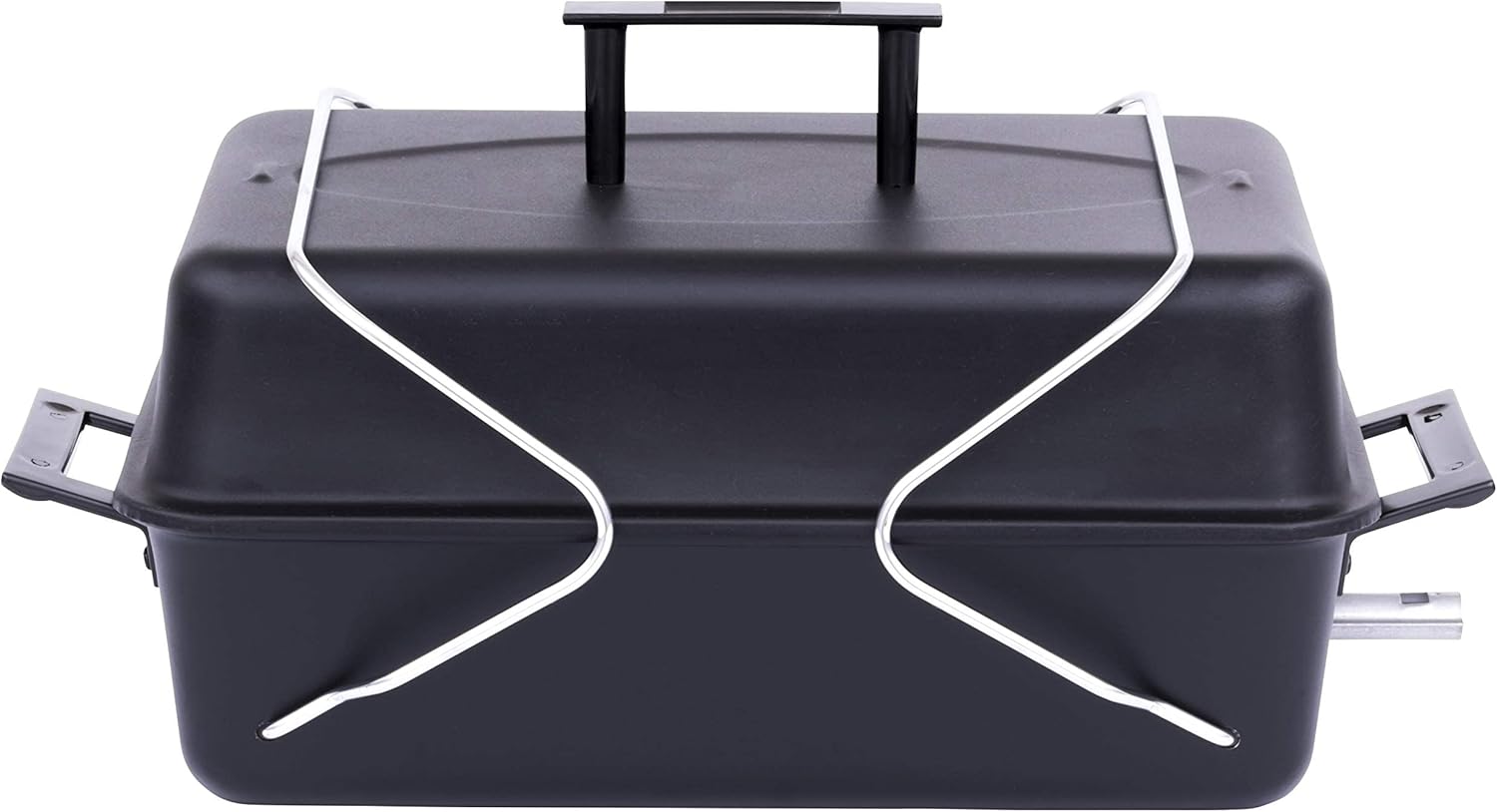
Choosing a portable camp grill for your car camping or tailgating trips comes down to matching the grill to how you like to cook. The main decision is fuel type: propane, charcoal, or pellet. Beyond that, cooking area, stability, and how easy the grill is to clean and pack up will determine whether it becomes a trusted piece of gear or a frustration. This guide walks through the key factors so you can pick a grill that fits your camping style.
What is a Portable Camp Grill and Who is it For?
A portable camp grill is a compact cooking appliance designed for outdoor use away from home. These grills are smaller than a backyard model and fold or break down for transport. They are best suited for car campers, tailgaters, picnickers, and anyone who has a vehicle to carry the weight and bulk. Backpackers typically need something lighter, such as a backpacking stove, rather than a full grill. A portable grill is a central piece of your camp cooking equipment, and understanding the trade-offs between the main types will help you make a smart choice.
Main Types of Portable Camp Grills
Propane Grills
Propane grills are the most popular choice for portable camping. They light instantly, heat up quickly, and let you control the temperature with a dial. Fuel comes in disposable 1-pound cylinders or larger refillable tanks with an adapter where allowed. Cleanup is generally straightforward because there is no ash to deal with. A typical propane grill uses a metal grate over gas burners. For a wide selection of models, look at the different options available in portable propane grills.
Charcoal Grills
Charcoal grills deliver the classic smoky flavor that many campers love. The trade-off is time and mess. You need to light the charcoal using a chimney starter or lighter fluid, wait for it to ash over, and then cook. After cooking, you must deal with ash disposal and wait for the coals to cool completely before packing. Charcoal grills are often simpler mechanically and can be very affordable. Some campgrounds restrict charcoal during high fire danger, so check the rules before you go.
Pellet Grills
Pellet grills combine convenience with wood-fired flavor. They run on electricity to feed wood pellets into a fire pot and control the temperature. This makes them heavier and dependent on a power source, such as a campground hookup or a large portable power station. They are less common for camping but appeal to those who want a set-it-and-forget-it experience with a smoky taste. Ash disposal is still required, though in smaller amounts than charcoal.
| Fuel Type | Heat Control | Flavor | Cleanup | Portability | Fire Restrictions |
|---|---|---|---|---|---|
| Propane | Instant, dial control | Neutral | Low (grease only) | High (light fuel) | Usually allowed |
| Charcoal | Slow, airflow control | Smoky | High (ash and grease) | Medium | Often restricted |
| Pellet | Moderate, digital control | Smoky | Medium (ash and grease) | Low (heavy, needs power) | Check local rules |
Features That Actually Matter
Cooking Area
Think about how many people you typically cook for. A small grate might hold four burgers or a few pieces of fish. A larger two-burner model can handle a full meal for a family. Look at the usable cooking surface, not just the overall dimensions of the grill. Some grills have a warming rack, which is useful for keeping buns or cooked food warm while the rest of the meal finishes.
Stability and Wind Protection
A wobbly grill is a safety hazard, especially when full of hot coals or a heavy pot. Look for wide-set legs, locking hinges, and a sturdy base. Wind can be a major problem for all grill types. A lid that stays open on its own or a built-in windscreen helps maintain consistent cooking temperatures and prevents flare-ups. If you camp in open or breezy areas, a grill with good wind protection is a worthwhile feature.
Cleanup and Ash Disposal
For charcoal grills, ash disposal is a critical routine. Never dispose of hot ashes. Let the grill cool for several hours or overnight. Soak the ashes with water to be sure, then place them in a metal container. For propane grills, grease management is the main task. A removable drip tray or grease cup makes cleanup much easier. Removable grates that fit in a camp sink or wash tub are a major convenience regardless of fuel type.
Cooling Before Packing
This is a crucial safety step. For a propane grill, turn off the gas at the tank, close the lid, and let it cool completely. For a charcoal grill, close the vents to snuff out the coals, then let the grill sit until the ashes are cool to the touch. Never pack a hot or warm grill inside your vehicle. The heat can damage gear and create a fire risk. Allow plenty of time for cooling before you plan to leave your campsite.
Safe Use and Fire Restrictions
Never use a fuel-burning grill, stove, lantern, or heater inside a tent, camper, or vehicle. This includes propane, charcoal, and pellet grills. These devices produce carbon monoxide, an odorless, deadly gas. They also pose a serious fire risk. Always use your grill outdoors in a well-ventilated area away from tent walls, dry grass, and overhanging branches. Keep children and pets at a safe distance. Have a fire extinguisher or a bucket of water nearby. Always check the current fire restrictions for the area you plan to visit. Many parks ban charcoal or open-flame cooking during dry seasons. Propane grills with a shut-off valve are often allowed, but you must verify.
Sizing, Fit, and Compatibility
Match the grill to your group size. A couple might do fine with a small tabletop grill. A family of four often needs a larger model with two burners or a bigger charcoal grate. Check that the grill fits in your car’s trunk or back seat when folded. Also consider fuel availability. Standard 1-pound propane cylinders are widely available, while refillable tanks require an adapter hose. Pellet grills need a supply of food-grade wood pellets. A good cooler is just as important as the grill. Learn how to pack a cooler for a camping trip so your food stays fresh and safe.
Common Buying Mistakes
One common mistake is buying a grill that is too large and heavy to transport comfortably. Another is ignoring fire restrictions and getting turned away from using your grill. Many campers forget that wind affects cooking; a grill without a lid or windscreen can be frustrating in open areas. Finally, not checking the lid fit can be a problem. A lid that does not close securely lets out heat and smoke and makes temperature control difficult.
Care, Cleaning, and Upkeep
Clean the cooking grate while it is still warm after cooking. A stiff wire brush or a ball of crumpled aluminum foil works well. Empty the grease trap after each trip to prevent buildup and flare-ups. Store propane cylinders disconnected and upright in a well-ventilated area, never inside your living space. Cover the grill if storing outside to protect it from weather. For more details on the different models available, check out our main guide to camp grills.
FAQ
Can I use a portable camp grill inside a tent or camper?
No. Never use a fuel-burning grill, stove, lantern, or heater inside a tent, camper, or vehicle. This includes propane, charcoal, and pellet grills. These devices produce carbon monoxide, an odorless, deadly gas. They also pose a serious fire risk. Always use your grill outdoors in a well-ventilated area away from tent walls and overhangs.
Is a propane or charcoal grill better for camping?
It depends on your priorities. Propane is faster, cleaner, and easier to control. Charcoal gives a richer smoky flavor but requires more time and effort to set up and clean. Consider your typical campsite routine and local fire restrictions before deciding.
How do I safely dispose of charcoal ashes?
Allow the ashes to cool completely, which can take 48 hours. For safety, you can pour water over the ashes to ensure no hot coals remain. Dispose of the cold, wet ashes in a metal container designated for ash disposal at the campground, or place them in a non-combustible trash can.
Can I use a pellet grill during a fire ban?
Fire restrictions vary by location and season. Some areas allow pellet grills because they produce less airborne embers than charcoal, while others ban all open flames and solid fuel. Always check the specific rules of the campground or land management agency before your trip.
Choosing the right portable camp grill comes down to understanding your cooking style, the size of your group, and the rules of the places you camp. Propane offers convenience, charcoal delivers flavor, and pellet grills provide a unique set-it-and-forget-it experience. Focus on stability, easy cleanup, and safe packing procedures to make every cookout a good one.