 By Audrey Hayes
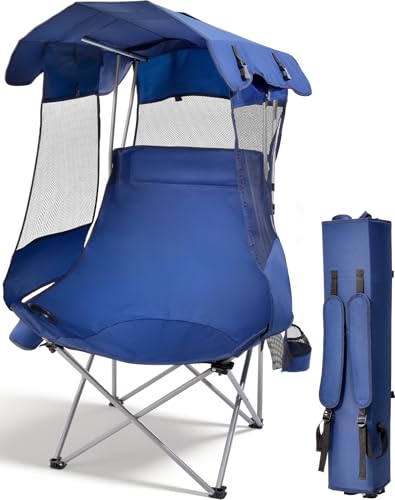
A double camping chair with umbrella gives two people a shared seat and built-in shade in one folding unit, which makes it a practical choice for couples, parents with a young child or friends who want to sit close at the campsite. This guide walks through the factors that matter most, from seat width and frame strength to canopy design and packed size, so you can compare models on specifications rather than marketing photos.
What to Look for in a Double Camping Chair with Umbrella
Not every two-seater with a canopy is built for the same use. Some are designed for short stops at a trailhead, while others are meant to sit at a campsite for a full weekend. The right choice depends on who will use it, where you will camp and how far you need to carry it. Start with the core specifications below, then narrow your list.
Shopping for one? See our guide: 6 Best Double Chairs for Camping Options Compared (2026).
Seat Width and Weight Capacity
Manufacturers usually list an overall seat width and a maximum load per seat or for the whole unit. A width of about 48 to 52 inches is typical for two adults to sit side by side with reasonable room. Narrower units can feel cramped if both sitters are broad-shouldered, and some models cap their rated load at a combined figure rather than per seat. Check that the listed capacity covers the combined weight of both users plus a margin for shifting or leaning.
Canopy Size and Coverage
The umbrella is the feature that separates this category from a standard loveseat chair. Look for canopy diameter or coverage area in the product specs. Shade that covers the seat and the front of the legs is more useful than a small top-only canopy, especially in the afternoon when the sun sits lower. Some umbrellas tilt or rotate, which helps you follow the sun without moving the whole chair. Check whether the canopy adjusts for height and whether it can be locked at the angle you choose.
Frame Material and Stability
Aluminum frames are lighter and resist rust, while steel frames tend to be heavier but can feel sturdier on uneven ground. Pay attention to the number of contact points with the ground and the width of the stance. A wider base resists tipping, which matters more when a canopy catches wind. Joint hardware and fabric attachment points are also worth inspecting in the product photos or specification sheets, since these are common failure points over repeated setups.
Packed Size and Weight
Because you need to carry the chair to a site, check the packed dimensions and total weight. Many double models with a canopy pack into a long, narrow bag that fits across a car trunk or inside a hatchback, but heavier units can be awkward to carry any distance. If you hike to your site or use a bike, weight matters more than it does for car camping.
Step-by-Step: Choosing the Right Model
A structured comparison keeps you from getting swayed by the most attractive photo. Work through the steps below in order.
- Count your users and their sizes. Add up the heaviest combined load you expect, then add roughly 20 percent as a buffer. Compare that figure to the rated capacity.
- Measure your vehicle or carrying space. Note the trunk length, cargo width and how much room you have after the rest of your gear is loaded.
- Decide how much shade you need. Think about your typical campsite. Open desert sites with little natural shade call for larger canopies. Shaded forest sites may need less.
- Check the frame and fabric. Look for a stable base, reinforced stress points and fabric rated for UV exposure. Confirm whether the umbrella can be removed or replaced if it wears out.
- Compare packed size and weight against your setup. Choose the lightest model that still meets your capacity and shade needs.
- Read owner feedback for durability. Owners often report how a model handles wind, how easily the canopy folds and whether joints loosen over time.
Comparing Key Specifications
The table below summarizes the specifications you should compare across models. Use the actual figures from each manufacturer’s listing, since these numbers vary by brand and model.
| Factor | What to Look For | Why It Matters |
|---|---|---|
| Seat width | About 48 to 52 inches overall | Room for two adults without crowding |
| Weight capacity | Per seat or combined, with a buffer above your load | Prevents strain on frame and joints |
| Canopy coverage | Listed diameter or coverage area, adjustable angle | Shade for seated users through the day |
| Frame material | Aluminum for lighter weight, steel for added heft | Balances portability against stability |
| Packed size | Length and diameter listed by the manufacturer | Determines whether it fits in your vehicle |
| Total weight | Listed in the specs | Matters if you carry it any distance |
Setting Up and Using Your Chair Safely
Setup is straightforward on most models, but a few habits make a difference. Choose a level spot and push the legs or stakes firmly into the ground. Lock all joints fully before anyone sits down. Lower or close the canopy when winds pick up, since a large umbrella can catch enough air to tip a lightweight frame. Keep the chair away from open flames and stoves.
Tools and Supplies You May Need
- A small mallet or rubber hammer for staking the legs on hard or uneven ground
- A tarp or ground cloth to protect the fabric from abrasion
- Stakes or guy lines if the model includes them, or rated stakes if you add them
- A soft cloth and mild soap for cleaning the canopy and seat fabric
Common Mistakes to Avoid
- Buying on width alone. A wide seat with a short frame may still feel unstable. Check the full set of specs.
- Ignoring wind. A canopy that works in calm conditions can become a hazard in gusts. Plan to lower it when wind rises.
- Skipping the carrying test. A model that looks compact on a product page can be hard to lift when fully loaded with gear.
- Setting up on sloped ground. Uneven legs strain joints and increase tipping risk. Find a level site before setup.
- Storing damp. Packing up a wet canopy leads to mildew and weakened fabric. Dry it fully before storage.
Tips for Getting More Use From Your Chair
Rotate the umbrella during the day to track shade as the sun moves. If you camp with a larger group, a double model works well as a shared seat next to single chairs for others. Keep spare cord and a repair kit with your gear, since small lacing or pole sleeve repairs are easier to handle at camp than after a trip. For a broader view of how other designs compare, see our guide to How to Choose a Camping Chair: Height, Capacity and Packed Size and our overview of Top 5 Camping Folding Chairs with Canopy Picks for Shade and Comfort.
Recommended gear
Several double-seat camping chairs with canopies are widely sold and worth comparing against the criteria above. Check the current specifications on each listing before you decide.
- Mac Sports double camping chair is a common option in the two-seat category, and it is one of the models we cover in depth in 7 Best Mac Sports Double Camping Chair Options for Two (2026). View on Amazon
- Kelty Loveseat Camping Chair is a two-seat design many campers use for shared seating, with features covered in Kelty Loveseat Camping Chair Review: Features and Performance. View on Amazon
- Alps Mountaineering King Kong Camping Chair is a sturdier, larger-frame option that suits heavier users, as explored in Alps Mountaineering King Kong Camping Chair Review (2026). View on Amazon
FAQ
How wide should a double camping chair be?
Most double models measure about 48 to 52 inches overall, which gives two adults enough room to sit comfortably. Narrower units may feel tight for broad users.
Does a canopy make the chair unstable in wind?
It can. A large canopy catches wind, so lower or close it when gusts pick up and anchor the legs firmly before use.
Are aluminum frames better than steel?
Aluminum is lighter and resists rust, while steel is heavier and can feel more solid on uneven ground. Choose based on whether you carry the chair or drive to your site.
How much weight can a double camping chair hold?
Capacity varies by model and is listed by the manufacturer, sometimes per seat and sometimes combined. Add a buffer above your combined load.
Can I use a double camping chair on a hiking trip?
Only if the model is light enough to carry comfortably. Most double canopy chairs are heavier than single lightweight chairs, so car camping is the more common use.
How do I clean the canopy fabric?
Use a soft cloth with mild soap and water, rinse lightly and dry fully before packing. Avoid harsh solvents that can weaken coatings.
How should I store the chair between trips?
Store it dry, loosely packed and out of direct sun or extreme heat, which helps protect fabric and joints over time.
Is a double chair with umbrella better than two single chairs?
It depends on your needs. A double model saves space and gives you shared shade, while two singles offer more flexibility in placement and transport.
Conclusion
A double camping chair with umbrella is most useful when its capacity, canopy coverage, frame stability and packed size all match how you camp. Compare the listed specifications side by side, check owner feedback on durability and confirm that the chair fits your vehicle and carrying distance. Choose the model that balances shade, stability and portability for your typical trips.
Ready to choose one?
About Audrey Hayes
Audrey Hayes is part of our editorial team and reviews and edits our camping equipment guides, checking product details against manufacturer specifications and owner feedback.