 By Caleb Morgan
Updated November 2026
If you need camping food without cooler space, the right meals are the ones that stay safe at room temperature for days without ice, refrigeration or careful rationing. This guide compares three shelf-stable options against a few clear criteria: how well they hold up without refrigeration, how much preparation they need at camp, how many servings they cover, and how practical they are for a trip where you may not want to carry a full cooler. None of these were tested in our own kitchen or on the trail. The comparisons below draw on manufacturer specifications, widely known product details and common owner feedback patterns.
Our top picks at a glance
- 1
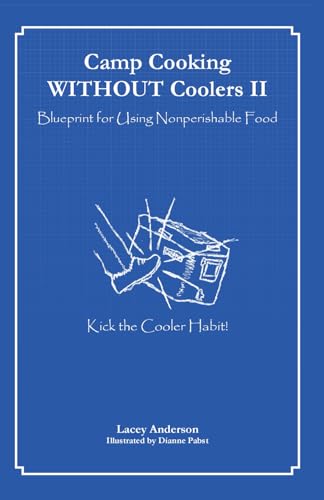 TOP CHOICEBest overallCamp Cooking WITHOUT Coolers II: Blueprint for Using Nonperishable FoodView on Amazon
- 2
 Best for multi-day emergency-style supplyMountain House 3-Day Emergency Food Supply | Freeze Dried Survival & EView on Amazon
- 3
 Best budget pick for a single breakfast or lunchBackpacker's Pantry Peanut Butter & Banana Oatmeal | 1-Pack | 16g ProtView on Amazon
Our Top Picks
| Product | Best for | Key feature |
|---|---|---|
| Camp Cooking WITHOUT Coolers II | Planning full trip menus with no cooler | Cookbook built around nonperishable ingredients |
| Mountain House 3-Day Emergency Food Supply | Multi-day meals with minimal prep | Freeze-dried meals, 18 servings |
| Backpacker’s Pantry Peanut Butter & Banana Oatmeal | A single breakfast with minimal gear | Freeze-dried, 16g protein, 530 calories per pack |
Camp Cooking WITHOUT Coolers II: Blueprint for Using Nonperishable Food
Camp Cooking WITHOUT Coolers II: Blueprint for Using Nonperishable Food
Best for: Campers who want a planning resource for building full menus around shelf-stable ingredients.
This is a cookbook rather than a food product. It suits people who prefer to plan meals in advance and who are comfortable adapting recipes to what they can pack dry. Owners often describe it as useful for cutting down on the guesswork of which pantry items stay safe unrefrigerated.
Key specs:
- Format: printed book focused on nonperishable camp cooking
- Subject: meals built from ingredients that do not need refrigeration
- Use: menu planning and recipe reference
Pros:
- Gives a clear framework for planning whole trips without a cooler
- Recipes center on pantry staples that travel well
- Useful for families or groups who want variety across several days
Cons:
- Does not supply any food itself, so you still need to shop and pack
- Recipes assume basic cooking gear, which you will need to bring
Bottom line: Choose this if you want a planning guide for a multi-day trip and plan to build your own pantry list.
View on AmazonMountain House 3-Day Emergency Food Supply | Freeze Dried Survival & Emergency Food | 18 Servings
Mountain House 3-Day Emergency Food Supply | Freeze Dried Survival & Emergency Food | 18 Servings
Best for: Groups who want a full multi-day food supply that requires only water and minimal preparation.
This kit is aimed at people who want to cover breakfasts, lunches and dinners for a short trip without managing ingredients. It works well for car camping where storage space is limited, and for households that also want an emergency supply on hand.
Key specs:
- Servings: 18, as stated in the listing name
- Duration: 3-day supply, as stated in the listing name
- Type: freeze-dried meals requiring water to prepare
Pros:
- Covers multiple days of meals in a single purchase
- Little or no cooking required beyond adding water
- Stores without refrigeration until opened
Cons:
- Requires a heat source or hot water for many meals, so it is not a pure no-cook option
- Portions and flavors may not suit every appetite or dietary preference
Bottom line: A strong choice for a short trip or emergency backup where planning time is limited and you have a way to heat water.
View on AmazonBackpacker’s Pantry Peanut Butter & Banana Oatmeal | 1-Pack | 16g Protein | 530 Cal | Vegan, Gluten Free, Dairy Free | Made in the USA | Freeze Dried Meal & Camping Food
Backpacker's Pantry Peanut Butter & Banana Oatmeal | 1-Pack | 16g Protein | 530 Cal | Vegan, Gluten Free, Dairy Free | Made in the USA | Freeze Dried Meal & Camping Food
Best for: A single high-calorie breakfast or lunch that needs no refrigeration and very little gear.
This is a single pouch rather than a multi-day supply. It fits people who want to add one shelf-stable meal to a pantry list, or who are hiking and need a compact, light option between camp meals.
Key specs:
- Serving: 1 pack, as stated in the listing name
- Protein: 16g, as stated in the listing name
- Calories: 530, as stated in the listing name
- Labels: vegan, gluten free, dairy free, as stated in the listing name
Pros:
- Lightweight and easy to pack alongside other dry goods
- Stated protein and calorie content help with meal planning
- Suits several common dietary restrictions
Cons:
- One pack covers only one meal, so multi-day trips need several
- Still requires hot water for preparation
Bottom line: Pick this when you need one compact, cooler-free meal for a day hike or a single camp breakfast.
View on AmazonBuying Guide
Shelf Stability and Storage Temperature
The core question is whether a food stays safe at ambient temperature for the length of your trip. Freeze-dried and dehydrated foods are generally designed for room-temperature storage until opened. Check the package for storage instructions and do not assume that a shelf-stable label applies once the pouch is opened and partly used. Food that has been rehydrated should be eaten promptly.
Good picks for this: Mountain House 3-Day Emergency Food Supply, Backpacker’s Pantry Peanut Butter & Banana Oatmeal
Preparation Needs
Think about how much cooking you want to do. Some options require only hot or boiling water, while others need a stove, pot and utensils. If your camp kitchen is minimal, favor meals that need nothing more than a kettle. Confirm the water requirement on the label before you pack.
Good picks for this: Mountain House 3-Day Emergency Food Supply, Backpacker’s Pantry Peanut Butter & Banana Oatmeal
Serving Count and Trip Length
Match the serving count to your group and days out. A single pouch is a meal, not a plan. For a three-day trip for two people, count three meals per day per person and add a margin for snacks and unexpected extra days. Listing names that state servings are the easiest to compare.
Good picks for this: Mountain House 3-Day Emergency Food Supply, Camp Cooking WITHOUT Coolers II
Nutritional Content
Calories and protein matter more when you are hiking or doing physical work. Some listings state calories and protein per serving. Use those numbers to build meals that add up to your daily target, and remember that needs vary widely with body size, activity and weather.
Good picks for this: Backpacker’s Pantry Peanut Butter & Banana Oatmeal, Mountain House 3-Day Emergency Food Supply
Dietary Labels and Allergens
Read labels carefully for allergens, gluten, dairy and animal products. Cross-contamination statements are worth checking if you have a serious allergy. This is general guidance; people with medical dietary needs should consult a doctor or registered dietitian before relying on any product.
Good picks for this: Backpacker’s Pantry Peanut Butter & Banana Oatmeal
Weight and Pack Size
If you are carrying food on your back, weight and volume decide everything. Freeze-dried pouches are light but bulky per calorie compared with some dry staples. Plan your load so that food, water and fuel fit inside the pack volume you have available.
Good picks for this: Backpacker’s Pantry Peanut Butter & Banana Oatmeal, Camp Cooking WITHOUT Coolers II
Food Safety in Warm Weather
Shelf-stable does not mean indefinitely safe in heat. Keep sealed packages out of direct sun, store them in shade where possible, and avoid leaving opened food sitting out. Check the manufacturer’s storage guidance, and when in doubt discard food that has been exposed to high temperatures for long periods. For broader food safety guidance, consult your local extension service or a food safety professional.
Good picks for this: Mountain House 3-Day Emergency Food Supply, Backpacker’s Pantry Peanut Butter & Banana Oatmeal
FAQ
Can I camp without a cooler and still eat safely?
Yes, if you choose foods designed for room-temperature storage, such as freeze-dried meals, dehydrated items and many dry pantry staples. Keep them sealed, shaded and dry until you use them.
Do freeze-dried camping meals need a stove?
Most do need hot water, which usually means a stove, kettle or heat source. Check the label for water volume and whether cold soaking is an option, since some foods can be eaten after soaking in cold water for a longer time.
How long does shelf-stable camp food last?
Shelf life varies by product and is printed on the package. Once opened, consume promptly and do not store leftovers at room temperature for long periods.
What foods are best to bring without a cooler?
Common choices include nut butters, dried fruit, crackers, hard cheeses that hold up without refrigeration, instant oats, tortilla wraps, jerky and freeze-dried meals. Check each product’s storage guidance.
Is it safe to store food in the car during camping?
Car interiors can become very hot, even on mild days. Avoid leaving food in a parked car for long periods, especially in summer, and move sensitive items to shade or your tent whenever possible.
How much food should I pack for a three-day trip?
Plan roughly three meals and two snacks per person per day, then adjust for activity level, weather and group size. Pack a small extra margin in case of delays.
Conclusion
For a planning resource that helps you build a full cooler-free menu, Camp Cooking WITHOUT Coolers II is the most useful starting point. For a multi-day supply that needs only water and little preparation, the Mountain House 3-Day Emergency Food Supply covers the most meals. For a single compact breakfast or lunch, Backpacker’s Pantry Peanut Butter & Banana Oatmeal is the practical pick. Match the product to how many days you are out and how much cooking you want to do.
Sources
- Guidance on safe food storage and handling, including temperature control basics (fda.gov)
- Food safety information on storing and preparing perishable and shelf-stable foods (usda.gov)
- Recommendations on preventing foodborne illness, including during outdoor activities (cdc.gov)
Related reading
- Camping Meals No Cooler: 12 Ideas That Stay Safe Without Ice
- How to Pack a Cooler for a Camping Trip
- Carhartt Camping Cooler Worksite Lunchbox: How to Choose and Use One (2026)
- Camping Cooler Box 12V: 6 Best Picks for Car Camping (2026)
About Caleb Morgan
Caleb Morgan is part of our editorial team and reviews and edits our camping equipment guides, checking product details against manufacturer specifications and owner feedback.