 By Audrey Hayes
Updated November 2026
A camping chair with table attached combines seating and a surface for drinks, snacks or a book in one folding unit. This guide walks you through the factors that decide whether one will actually work for your trips, including table height, weight limits, packed size and how the tray attaches. By the end, you will know how to compare models and spot the details that separate a useful design from an awkward one.
Who a Camping Chair with Table Attached Is Best For
A chair with a built-in or clip-on table suits people who eat, read or work outdoors and do not want to balance a plate on their knees. It also helps solo campers, couples at a picnic site, and anyone who has no room for a separate camp table. The tradeoff is weight, bulk and a slightly more complicated setup than a plain folding chair. If you mostly sit and talk around a fire, a standard chair may be all you need. For a wider comparison, see How to Choose a Camping Chair: Height, Capacity and Packed Size.
Shopping for one? See our guide: 7 Best Camping Chairs with Side Table Options for Every Trip (2026).
How to Choose a Camping Chair with Table Attached: 6 Factors
1. Check the table height and surface size
Table height matters more than most buyers expect. A tray that sits about 10 to 12 inches above the seat is usually comfortable for eating and laptop use, while a tray set much lower can force you to hunch. Measure the surface too. A flat tray around 10 by 12 inches fits a plate and a mug. Smaller side trays hold little more than a drink.
2. Confirm the weight capacity
Manufacturers list a maximum user weight, often in the 250 to 300 pound range for standard models and higher for heavy-duty designs. Look for the stated rating and stay well under it if you plan to rock, lean or shift your weight often. The table itself can add stress at the joints, so check whether the rating applies to the chair alone or the complete unit.
3. Compare packed size and weight
Chairs with tables carry more parts, so they pack larger than simple folding seats. Check the packed dimensions and carry weight against your vehicle space and how far you will walk from the car. A chair that folds into a bag about the length of a tent pole is easy to carry. A bulkier version may need a roof box or a dedicated spot in the trunk.
4. Examine how the table attaches
There are three common designs:
- Integrated arm tray: The table is built into one armrest. It is stable and simple, but it fits only one side and limits left-handed or right-handed flexibility.
- Clip-on side table: A separate tray clamps to the frame. It is adjustable, but clamps can loosen over time on uneven ground.
- Center or front table: A tray sits in front of the seat, often on a tripod or bracket. It offers more space but can tip if the legs are not planted firmly.
Whichever you choose, test the locking mechanism. It should click or tighten securely and not shift when you set down a full cup. For a closer look at standalone tables, read How to Choose a Camping Table.
5. Look at the seat height and back support
A seat height of roughly 14 to 18 inches suits most adults and makes standing up easier. Lower seats feel relaxed but can be hard on knees. Check whether the backrest is high enough to support your shoulders. Mesh and padded fabrics both work, but mesh tends to dry faster after rain.
6. Consider the frame material and stability
Aluminum frames weigh less and resist rust, while steel frames tend to be sturdier and cost less to make in heavy-duty designs. Look for sturdy joints, reinforced stress points and feet that grip soft ground. A wobbly frame becomes much more noticeable once you add a table and a full drink.
Step-by-Step: Testing a Chair Before a Trip
Once you have a candidate, run through this check at home before you pack it:
- Set it up on a flat surface and follow the manufacturer’s instructions, timing how long it takes.
- Attach the table and load it with a plate, a mug and a book. Watch for tilting or flexing.
- Sit down slowly, lean back and shift your weight from side to side. Listen for creaks.
- Fold everything down, then set up again to confirm the locking points still engage smoothly.
- Carry the packed chair for a short distance to judge the real weight in your hands.
Doing this at home means you find problems in the driveway rather than at a campsite.
Checklist Before You Buy
- Table height between about 10 and 12 inches above the seat
- Tray surface large enough for a plate and a mug
- Weight rating that comfortably covers your body weight
- Packed dimensions that fit your vehicle or pack
- Locking table attachment that holds under load
- Stable feet suited to grass, gravel and sand
Common Mistakes
- Ignoring the table’s load rating. A tray that wobbles under a laptop is a warning sign.
- Choosing by appearance alone. Compare measurements, not photos.
- Forgetting the packed size. A great chair is useless if it will not fit in your car.
- Setting up on a slope. Even a well-built table tips on uneven ground, so level your footing first.
- Skipping the home test. Discovering a loose clamp at the campsite is frustrating.
Recommended gear
Many people pair a table-equipped chair with a few extras that make outdoor meals and downtime easier. Consider the following options:
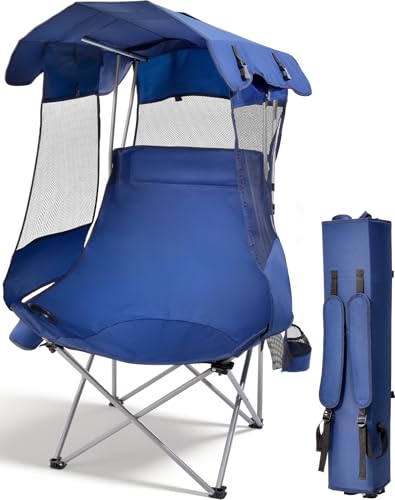
- A shaded canopy keeps the table surface cool and reduces glare on a laptop screen. View on Amazon
- A small insulated cooler keeps drinks within easy reach of the chair. View on Amazon
- A carry bag with padded straps makes the chair easier to haul over longer walks. View on Amazon
FAQ
Is a camping chair with table attached stable enough for a laptop?
Many are, but check the table’s stated load rating and the locking method. A tray that stays level under a light laptop and does not flex when you type is a good sign.
What seat height works best for most adults?
A seat height around 14 to 18 inches suits most people. It makes sitting and standing comfortable without forcing your knees to bend sharply.
Can I use a table-attached chair on uneven ground?
You can, but level your footing first. Set the chair’s feet on the flattest spot available and check that the tray sits level before placing food or drinks on it.
Are clip-on tables safe for hot drinks?
Most camping tables are made for everyday use with hot drinks, but check the manufacturer’s material notes. Avoid placing very hot pots or pans directly on fabric or plastic surfaces.
How much weight should a table-attached chair hold?
Choose a chair whose listed user capacity is comfortably above your body weight. Heavier users should look at heavy-duty models with higher ratings.
Do these chairs pack small enough for backpacking?
Most are designed for car camping because the table adds bulk and weight. If you carry gear on your back, a lighter, simpler chair is usually a better fit.
How should I clean the table surface?
Wipe it with a damp cloth and mild soap, then dry it before folding. Moisture trapped in the folded unit can encourage mildew over time.
Conclusion
A camping chair with table attached is worth having when you want a stable place to eat, read or work outdoors. Focus on table height, weight rating, packed size and how the tray locks in place. Test the setup at home before your trip, and you will avoid the most common problems. Use the checklist above to narrow your options and find the design that fits how you camp.
Related reading
Ready to choose one?
About Audrey Hayes
Audrey Hayes is part of our editorial team and reviews and edits our camping equipment guides, checking product details against manufacturer specifications and owner feedback.