 By Audrey Hayes
Updated November 2026
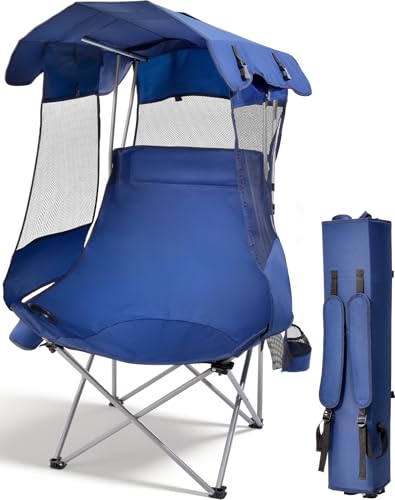
A camping chair rated for 300 lb capacity can support a heavier adult or a seated person plus gear without bending the frame or stressing the seams. This guide explains what that rating actually means, how to check whether a chair is built to handle it, and which features separate a sturdy seat from one that only looks strong on the box. By the end, you will have a clear method for choosing a camping chair with 300 lb capacity for your body, your trips and your budget.
What a 300 lb Capacity Rating Really Means
A weight rating is the maximum load a manufacturer says the chair can hold under normal use. It is not a suggestion for the most comfortable weight, and it is not a guarantee that the chair will last forever at that load. Most brands test static weight, meaning the load sits still on the seat, and many also test dynamic weight, which simulates sitting down quickly or shifting. A chair that is only tested statically can fail sooner when someone drops into it from standing height.
Shopping for one? See our guide: 6 Best Ultralight Lightweight Camping Chair Options for Backpacking (2026).
Keep in mind that the rating usually refers to one person. If two adults will share a seat, look for a dedicated loveseat or double chair with a higher rating rather than relying on a single-seat chair. Also consider that your body weight is not the only load. A backpack, a cooler you lean against, or a child on your lap all add to the total.
Static vs. Dynamic Load
Static load is the weight the chair holds while you sit still. Dynamic load is the force created when you drop into the seat, lean back hard or rock. Dynamic forces can be two or three times your body weight for a moment, which is why a chair rated at 300 lb static may feel shaky if you are heavier than that or sit down abruptly. When comparing products, check whether the manufacturer lists a static rating, a dynamic rating, or both. If only one is listed, assume it is the static figure.
Why the Number Alone Is Not Enough
Two chairs with the same 300 lb label can perform very differently. Frame material, joint design, fabric strength and the width of the seat all influence how the chair handles real use. A narrow seat can feel unstable even when the rating is high, and a thin fabric can tear under sustained pressure well below its listed limit.
Step 1: Know Your Real Load
Before you shop, calculate the weight the chair must support with a margin. Add your body weight to the heaviest item you expect to hold at the same time, then add 20 percent as a buffer. For example, if you weigh 210 lb and sometimes carry a 15 lb pack into the seat, your working load is about 225 lb. Multiply by 1.2 and you get roughly 270 lb. A 300 lb rating gives you room to spare in that case.
If your total comes out above 250 lb, a 300 lb chair is a reasonable starting point, but you should also check the seat width and frame design. If you are close to 300 lb on your own, look for a chair with a heavy-duty rating well above that number rather than one that just meets it.
Step 2: Inspect the Frame
The frame carries most of the load, so it is the first place to look. Aluminum frames are lighter and resist rust, while steel frames are heavier but often more rigid at the joints. Thicker tubing generally handles stress better than thin tubing, though manufacturers do not always list wall thickness, so check the product description for gauge or diameter if it is provided.
- Look for reinforced stress points at the hinge, leg joints and armrest connections.
- Check whether the legs have crossbars or a wider base, which improves stability on uneven ground.
- Avoid frames with exposed plastic connectors bearing the main load, since these tend to crack first.
- Confirm the chair locks firmly in the open position before you sit.
Step 3: Evaluate the Seat and Fabric
The fabric is often the weakest link on a heavy-duty chair. Look for a tightly woven polyester or nylon with a denier rating listed, since higher denier generally means more abrasion resistance. Mesh seats breathe well but can sag under heavier loads if the mesh is light, so pay attention to material weight if the listing includes it.
Seat width matters too. A seat under 20 inches across can feel cramped for a larger adult, even when the rating is adequate. Many heavy-duty chairs advertise widths of 22 inches or more. Also check seat height. A lower seat is harder to get out of, which puts extra stress on the frame when you push up.
Stitching and Seams
Double-stitched seams hold up better than single lines of stitching, especially at the corners where the fabric wraps the frame. Reinforced stitching at the armrests and back attachment points is a good sign. If reviews from owners often mention seams splitting, treat that as a warning even when the rating is high.
Step 4: Check the Build and Set-Up
Heavier chairs often weigh more and fold to a larger size, so consider how you will transport it. A chair that sits well at 300 lb but weighs 20 lb or more may be a poor fit for hike-in camping. For car camping, a larger packed size is usually acceptable in exchange for comfort and durability.
Before you buy, decide which trip style you have most often. The right chair for a weekend at a drive-in campground is not always the right chair for a backcountry trip. If you are still comparing styles, How to Choose a Camping Chair: Height, Capacity and Packed Size covers height and packed size in more depth, and Low Profile Camping Chair: How to Choose One for Comfort and Packability is useful if you want a seat closer to the ground.
Comparing Chair Types by Use
Different chair styles handle heavy loads in different ways. The table below summarizes common trade-offs. Ratings and details vary by model, so always confirm them on the manufacturer’s listing.
| Chair Type | Typical Strength | Trade-Off | Best For |
|---|---|---|---|
| Standard folding chair | Simple frame, easy to find in 300 lb versions | Can feel unstable on soft ground | Car camping, festivals |
| Heavy-duty steel frame | Strong joints, high static rating | Heavier and bulkier to carry | Base camps, long stays |
| Aluminum frame | Lighter, rust resistant | Joints need checking under load | Mixed trips, frequent transport |
| Reclining or lounger style | Comfort for long sits | More moving parts to stress | Relaxing at a fixed campsite |
If you are considering a reclining model, Reclining Camping Chairs: Are They Worth the Bulk? explains where the extra weight and mechanisms affect durability.
Step 5: Test Before You Sit
Once the chair arrives, set it up on a flat, firm surface. Lock every joint, press down on each armrest and push the back to check for play. Sit down slowly, then rock gently to test the frame. If you hear creaking or feel the legs shift, adjust the leg feet or tighten the connections according to the manual. If the problem persists, contact the manufacturer rather than continuing to use the chair.
- Set up on level ground and lock all joints.
- Press each armrest and leg to check for movement.
- Sit down gently, then shift your weight side to side.
- Recheck the joints after the first few uses, since fabric and connections can settle.
Common Mistakes
- Buying to the exact weight limit. A chair rated at 300 lb for a 295 lb user has no margin for gear or shifting weight.
- Ignoring seat width. A tall, heavy seat that feels narrow will be uncomfortable and may stress the frame.
- Dropping into the chair. Lowering yourself slowly reduces dynamic load and extends the life of joints.
- Leaving the chair in the sun or rain. UV exposure weakens fabric, and moisture accelerates rust on steel joints.
- Sitting on the armrests or back. These parts are not designed to bear body weight.
- Storing it while damp. Trapped moisture leads to mildew in the fabric and corrosion in the frame.
Tips for Making a 300 lb Chair Last
- Rinse the frame and fabric after muddy or salty trips, then dry completely before packing.
- Check bolts, screws and pivot points at the start of each season.
- Use a ground tarp or pad so the feet do not sink or slide into soft soil.
- Keep the chair out of direct sun when you are not using it to protect the fabric.
- Carry it in its bag to avoid abrasion on the frame during transport.
Recommended gear
These items help you get more from a heavy-duty chair and protect it between trips.
- Ground tarp or footprint. A tarp under the chair spreads the load and keeps the feet from sinking in soft ground, which helps stability. View on Amazon
- Replacement chair carry bag. A padded bag protects the frame and fabric during transport and keeps dirt off the seat. View on Amazon
- Leg levelers or feet pads. Simple rubber or plastic feet help the chair sit level on rocks or uneven ground. View on Amazon
- Waterproof spray for fabric. A fabric protector can help repel water and reduce staining on polyester seats. View on Amazon
FAQ
Is a 300 lb rated camping chair safe for a 300 lb person?
Not with much margin. A chair rated at 300 lb is meant to handle a load at or below that figure under normal use. If your body weight is close to the limit, choose a chair with a higher rating for safety and durability.
Does the 300 lb rating include gear I am carrying?
Usually the rating refers to the total load on the seat, including anything you hold. Check the manufacturer’s listing for specifics, and add a buffer when you calculate your working load.
What is the difference between static and dynamic weight ratings?
Static rating is the load the chair holds while still. Dynamic rating reflects forces from sitting down quickly or rocking. A chair with only a static rating may not handle sudden movement as well.
Are aluminum or steel frames better for heavy loads?
Both can work well. Steel is often more rigid and affordable among heavy-duty options, while aluminum is lighter and resists rust. The joint design and tubing thickness matter more than the metal alone.
How do I know if the seat is wide enough?
Look for a listed seat width. Many heavy-duty chairs offer 22 inches or more. Sit in the chair at home if possible to check comfort before a trip.
Can I use a 300 lb camping chair on soft sand or mud?
You can, but it may sink or shift. A wide base, leg pads or a ground tarp help distribute the load and keep the chair stable on soft surfaces.
How often should I inspect the chair?
Check joints, bolts and fabric before each season and after heavy use. Tighten or replace worn parts promptly, and follow the manufacturer’s maintenance guidance.
When should I talk to a professional about a damaged chair?
If a frame joint cracks, a leg bends or a seam fails under normal use, stop using the chair. For repairs or a safety question about a specific product, contact the manufacturer or a qualified outdoor gear repair service.
Conclusion
A camping chair with 300 lb capacity is only as good as its frame, seat and joints, so look beyond the number on the box. Calculate your real working load with a margin, inspect the build and fabric, and test the chair before relying on it. With the right choice and simple care, a heavy-duty chair can serve you for many seasons of camping.
Ready to choose one?
About Audrey Hayes
Audrey Hayes is part of our editorial team and reviews and edits our camping equipment guides, checking product details against manufacturer specifications and owner feedback.