 By Audrey Hayes
A camping outdoor rocking chair gives you a place to sit, rock and unwind after a day on the trail or at the lake, without the stiffness of a standard folding chair. In this guide you will learn what to check before you buy, how to compare frames, weight ratings and packed sizes, and how to set up and use a rocker safely on uneven ground. By the end, you should be able to narrow your options to one or two models that fit your trips.
Why a Camping Outdoor Rocking Chair Makes Sense for Some Trips
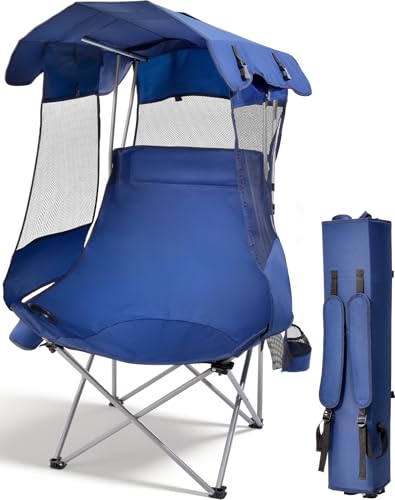
Rocking motion is not for everyone, and it adds bulk compared with a low-slung camp chair. Still, a camping outdoor rocking chair works well for car camping, RV stays, family trips where grandparents or older adults want a supportive seat, and long evenings around a fire. The rocking action can also help you feel less restless when you are sitting for hours. If you mostly backpack or need the lightest possible setup, a standard camp chair is usually the better fit, and our overview of Camp Chair Designs Compared can help you decide.
Shopping for one? See our guide: Top 5 Best Outdoor Camping Chairs Compared for Every Trip.
Before comparing models, decide how you will travel. If you drive to a site and can carry 20 to 30 pounds of gear easily, you have many more options. If you walk in, prioritize packed size and weight over features.
Step 1: Check the Weight Capacity and Frame Strength
Every rocker lists a maximum user weight. Manufacturers typically specify a capacity that reflects static load, so it is wise to choose a chair rated well above your body weight. Rocking adds dynamic stress to the joints and legs, which is why many experienced campers prefer a higher rating than they think they need.
Look at the frame material as well. Aluminum frames are lighter and resist rust, while steel frames are heavier but often feel more solid. Pay attention to the joints and rocker runners: thicker tubing and reinforced connection points generally handle repeated rocking better over several seasons.
What to Look For in the Frame
- A weight rating at least 25 to 30 percent above your body weight
- Aluminum or steel tubing with reinforced leg and rocker joints
- Rocker runners that sit flat and do not wobble when you lean back
- Locking mechanisms that stay fully engaged when the chair is open
Step 2: Measure Seat Height and Recline Angle
Seat height determines whether you can stand up easily. Low seats feel relaxed but can be hard to exit, especially for people with knee or hip concerns. Most camping outdoor rocking chairs sit between about 14 and 18 inches off the ground. Measure the height of a chair you already own that feels comfortable, then compare it to the specification sheet.
Recline matters too. A gentle upright angle suits reading and eating, while a deeper recline is better for stretching out. Some rockers offer a fixed angle, while others have adjustable backrests. Adjustable models are more versatile but add moving parts that need occasional checking.
Step 3: Compare Packed Size and Weight
A rocker that is comfortable at camp is only useful if it fits in your vehicle. Compare packed dimensions and carry weight directly, not just the open size. Check whether the chair includes a carry bag with handles or a shoulder strap.
| Factor | Car Camping Priority | Walk-In Camping Priority |
|---|---|---|
| Packed length | Under 40 inches is comfortable | Shorter is better for pack fit |
| Carry weight | Less important | Aim for the lightest model that meets your needs |
| Weight rating | Choose a higher margin | Choose a rating that matches your body weight plus margin |
| Frame material | Steel acceptable | Aluminum preferred |
| Rocking stability | Important on any terrain | Important on any terrain |
For a wider view of how packed size affects choice across chair types, see How to Choose a Camping Chair: Height, Capacity and Packed Size.
Step 4: Test Stability on Your Campsite
Rockers need flat, firm ground. Gravel, tall grass and roots can make the runners tip or slide. Before you settle in, sit down and rock gently several times. If the chair shifts sideways, move it to a flatter spot or place a rubber mat or piece of plywood underneath, making sure the surface is level.
Setup Checklist
- Clear sticks, rocks and debris from the rocker path.
- Check that the runners are level from side to side.
- Lock all joints and confirm the seat fabric is taut.
- Rock slowly, first forward, then back, watching for wobble.
- Keep the chair away from fire pits and camp stoves.
Step 5: Choose Materials and Weather Resistance
Seat fabric and frame finish affect how well the chair handles sun, dew and rain. Look for UV-resistant fabric, sealed or powder-coated metal and drainage holes or mesh in the seat if you camp in humid areas. Wet fabric takes longer to dry and can stretch over time, so a quick-drying material is a practical advantage.
Consider cup holders and side tables as well. Some rockers include built-in storage, which saves packing space. Make sure any added features do not significantly raise the packed weight.
Common Mistakes
- Buying on the open-size photo alone. Always check packed dimensions.
- Choosing the minimum weight rating. Rocking adds stress, so leave a margin.
- Rocking on soft or sloped ground. This is the most common cause of tipping.
- Ignoring joint maintenance. Loose pins and worn bushings should be tightened or replaced.
- Storing the chair damp. Let it dry fully before packing to prevent mildew and rust.
Tips for Longer Chair Life
- Wipe down metal joints after salt air or wet trips.
- Store the chair in a dry bag or case away from sharp tools.
- Check screws and pivot points before each trip.
- Avoid sitting on the armrests or leaning to one side, which strains the frame.
Recommended Gear
A few accessories can make a rocker more stable and comfortable on camp ground.
- Thick rubber chair mats keep rocker runners from sliding on slick surfaces and protect the ground from scuffing. View on Amazon
- A padded seat cushion adds comfort during long sessions if the stock seat feels firm. View on Amazon
- A padded carry bag protects the frame and fabric during transport and keeps dust off the joints. View on Amazon
FAQ
Is a camping outdoor rocking chair stable on grass?
It can be, but only on level ground. Grass that is short and firm usually works, while tall or soft grass lets the runners sink or shift. Placing a flat mat underneath improves stability.
How much weight should a rocker hold?
Choose a model rated comfortably above your body weight. Many campers aim for a margin of roughly 25 to 30 percent to allow for the stress of rocking.
Are aluminum rocking chairs better than steel?
Aluminum is lighter and resists rust, which helps for walking in and humid trips. Steel can feel more solid but adds weight. Either can be durable when properly built.
Can I use a rocking chair on a camping trip with kids?
Yes, but keep an eye on pinch points near the rockers and supervise children, since rocking motion can tip the chair if someone leans too far or stands on it.
How do I clean a camping rocker?
Brush off dirt, wipe the fabric with mild soap and water, rinse lightly and let everything air dry fully before storing. Avoid harsh chemicals on the seat.
Do rocking chairs take up much space in a car?
They are usually bulkier than low camp chairs. Measure your trunk or cargo area and compare packed length and width before buying.
What is the difference between a rocker and a reclining camp chair?
A rocker moves back and forth on runners, while a reclining chair changes angle on a fixed base. Rockers offer motion, and reclining models often offer a deeper lounge position. For more on that choice, see Reclining Chair for Camping (2026): Which Should You Choose?
Should I consult anyone before buying a chair for a medical need?
If you have mobility, balance or joint concerns, consult a physical therapist or doctor about seat height and support features before choosing a chair.
Conclusion
A camping outdoor rocking chair works best when you match its weight rating, seat height and packed size to how you actually travel. Check the frame, test stability on your ground and avoid the common mistakes listed above. With those steps, you can pick a rocker that feels comfortable for years of camping.
Related reading
- Rocking Chair for Camping (2026): Which Should You Choose?
- Gci Rocking Camping Chair Review: Features and Performance
- 9 Best Collapsible Camping Rocking Chairs for Comfort at Camp (2026)
- 7 Best Camping Folding Rocking Chair Picks for Comfort and Portability (2026)
- 6 Best Portable Rocking Camping Chair Picks for Comfort at Camp (2026)
- 10 Best Foldable Camping Rocking Chairs (2026): Expert Picks
Ready to choose one?
About Audrey Hayes
Audrey Hayes is part of our editorial team and reviews and edits our camping equipment guides, checking product details against manufacturer specifications and owner feedback.