 By Audrey Hayes
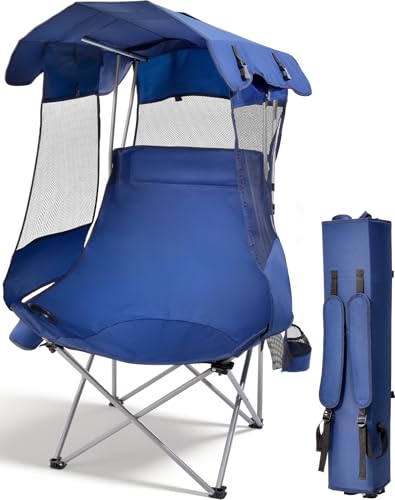
A double camping chair with canopy gives two adults a shared seat and overhead shade in a single folding unit. This guide walks you through the factors that matter most, from seat width and weight rating to canopy coverage and packed size, so you can compare models on the specs that affect your trips. By the end, you will know which features to prioritize for your group size, season and campsite conditions.
Why a Double Camping Chair with Canopy Makes Sense
A double chair with a canopy solves two problems at once. It lets two people sit side by side without dragging a second chair to the fire ring, and the attached shade cover keeps the sun, light rain and falling pine needles off your heads. For couples, parents with a young child on their lap, or anyone who likes to sit close to a partner while reading, the design is practical. It also takes up less trunk space than two separate canopy chairs and a pop-up shade. Before you buy, though, be aware of the tradeoffs: these units are heavier and bulkier than single chairs, and the canopy adds wind resistance. If your trips are mostly backpacking or car-free hiking, a double canopy chair is probably too much gear.
Shopping for one? See our guide: Top 5 Camping Folding Chairs with Canopy Picks for Shade and Comfort.
Step 1: Check the Seat Width and Depth
Seat dimensions vary more across double chairs than most buyers expect. Manufacturers usually list the seat width in inches, and a seat that looks wide on a product photo can feel tight once two adults with winter layers sit down. As a working guideline:
- Under 40 inches wide: Workable for two slim adults or a parent and a small child, but expect shoulder contact.
- Around 42 to 46 inches wide: Comfortable for two average-size adults, with room for a cooler bag or small bag between you.
- Over 46 inches wide: Good for larger adults or for sitting with a child in your lap, though the chair will be heavier and harder to carry.
Also check seat depth. A deeper seat supports the thighs better, which matters for taller users. If the listed depth is short, the chair may feel like it pushes you forward when you lean back.
Step 2: Confirm the Weight Capacity and Frame Design
Weight capacity is usually given as a combined figure for the whole chair, not per seat. Manufacturers typically state a maximum combined load, and you should stay under it with a margin, since a chair that is rated exactly to your combined weight will feel unstable on uneven ground. Look for three frame details:
- Steel versus aluminum frames: Steel is generally heavier but more tolerant of rough handling. Aluminum saves weight and is common in portable models.
- Crossbar and joint construction: Stronger chairs use reinforced joints at the seat rails. Look for pieces described as reinforced or dual-brace.
- Feet and leg spread: A wider stance resists tipping on soft sand or grass. Narrow-legged designs can sink or rock.
If you plan to use the chair on gravel, sand or sloped sites, a wider base is worth more than a few ounces saved.
Step 3: Evaluate the Canopy Coverage and Material
The canopy is what separates this category from standard double chairs, so it deserves close attention. Measure how far it extends forward and to the sides. A canopy that covers only the seat back will not block midday sun on your legs. A canopy that reaches over the seat front gives better coverage but may block your view when you sit upright.
Check the canopy fabric. Polyester with a UV-resistant coating is common and handles direct sun well. Some fabrics are labeled for water resistance, which helps in light rain but does not make the canopy waterproof under heavy, sustained rain. Pay attention to whether the canopy adjusts. Units with a tilting or height-adjustable canopy let you follow the sun through the afternoon without moving the chair.
Step 4: Compare Packed Size and Weight
Double chairs with canopies are bulky when folded. Before you buy, measure the trunk or cargo space you have available and compare it to the packed dimensions listed by the manufacturer. Also consider the carrying weight. A double chair with canopy often weighs well over 20 pounds, and the weight sits in a long, awkward bundle. If you walk from the car to a site, look for a carry bag with a shoulder strap and handles at both ends.
Step 5: Consider Setup Time and Stability
Most double canopy chairs use a fold-out frame with a canopy that extends on poles. Setup usually takes a few minutes for one person once you know the sequence, but first-time setup can take longer. Some models include a quick-release canopy or a spring-loaded frame, which speeds things up. Check whether the canopy can be used on its own with the chair folded, and whether the frame needs guy lines or stakes in wind. A canopy with a large surface area can catch wind and lift, so check whether the manufacturer recommends anchoring it.
Step 6: Think About Season and Climate
Your season changes which features matter most. In summer, canopy coverage and fabric breathability are priorities, since the shade is the main benefit and the seat should not trap heat. In shoulder seasons, a double chair with a canopy can serve as a windbreak if the seat back is high and the frame is sturdy. In wet conditions, look for a seat fabric that dries quickly and a frame that does not hold water in joints. Mesh seats drain well but can feel less supportive; padded fabric feels warmer and more comfortable on cool evenings.
Quick Checklist Before You Buy
- Confirm seat width fits two adults with layers on.
- Check the combined weight rating against your group’s weight, with a margin.
- Measure canopy coverage in front and to the sides.
- Note the packed dimensions and carry weight against your vehicle space.
- Confirm setup steps and whether the canopy needs anchoring.
- Match the seat fabric and canopy material to your typical climate.
Common Mistakes to Avoid
- Buying by the photo. Product images often show the chair with a large seat and a clear sky. Read the listed dimensions instead.
- Ignoring the combined weight limit. Two heavy adults can exceed a chair’s rating faster than expected.
- Overlooking canopy anchoring. An unanchored canopy can tip the chair or blow across the campsite in wind.
- Forgetting the carry load. A chair that fits your trunk on paper may still be hard to lift and carry alone.
- Assuming full waterproofing. A water-resistant canopy will not keep out a steady downpour. Pack a separate rain fly if you camp in wet climates.
Tips for Getting the Most from Your Chair
- Set up the chair at home first so you know the sequence before you are tired at the campsite.
- Store the chair dry and loosely folded to reduce fabric creasing and frame stress.
- Rinse the fabric and wipe the frame after trips near salt water or dusty sites.
- Position the chair so the canopy faces the afternoon sun direction, and reposition it as the shade moves.
- If you are comparing several models, review the broader range in our guides like How to Choose a Camping Chair: Height, Capacity and Packed Size and How to Evaluate a Camping Chair Before You Buy.
Recommended Gear
A few accessories make a double canopy chair easier to use and more comfortable across trips.
- Coleman Oversized Quad Chair with Canopy: A widely sold canopy chair design that owners often mention for its roomy seat and simple folding setup, a useful reference point when comparing double-width models. View on Amazon
- Coleman Instant Canopy: A pop-up shade that gives extra coverage over the seating area when the chair canopy is not enough, especially for larger groups. View on Amazon
- Rain fly or tarp: Useful as a supplemental cover in wet weather, since most chair canopies are shade-focused rather than fully waterproof. View on Amazon
- Tent stakes and guy lines: Help anchor the canopy in wind and keep the frame stable on loose ground. View on Amazon
FAQ
How wide should a double camping chair with canopy be?
For two average-size adults, a seat width of roughly 42 to 46 inches is comfortable. Narrower seats work for slim adults or a parent and a small child but leave little room for shoulders.
Is a canopy chair waterproof?
Most canopies are water-resistant rather than waterproof. They handle light rain and dew well, but steady downpours can soak through seams. A separate rain fly is the safer choice in wet weather.
How much weight can a double camping chair hold?
Manufacturers usually state a combined weight capacity for the whole chair. Stay below the rating with some margin, especially on soft or uneven ground.
Can a double canopy chair be used on sand or grass?
Yes, but a wide leg spread and feet that resist sinking help. On soft sand, avoid narrow legs, as they can tip or sink.
How do I keep the canopy from blowing away?
Use the anchoring points the manufacturer provides and add guy lines or stakes. Lower or fold the canopy when wind picks up, and check the manufacturer’s wind guidance.
Are double canopy chairs hard to carry?
They are heavier and bulkier than single chairs. A carry bag with shoulder straps and handles makes transport easier, especially over a short walk to a site.
Should I buy a double chair or two single chairs?
A double chair saves trunk space and lets you sit close together. Two single chairs offer more flexibility in seating positions and are easier to carry separately. Choose based on how you camp most often.
Conclusion
A double camping chair with canopy works best when the seat width, weight rating, canopy coverage and packed size all match how you camp. Measure your trunk space, confirm the combined weight limit, and check the canopy’s reach against your typical sun angle. With those factors covered, you can compare models with confidence and choose a chair that stays comfortable for both sitters across seasons.
Related reading
- Kelty Double Camping Chair: A Step-by-Step Guide to Choosing and Using One
- Double Folding Chair Camping vs Single Chairs (2026): Which Is Better for Two?
- 7 Best Mac Sports Double Camping Chair Options for Two (2026)
- 7 Best Foldable Camping Chairs with Canopy Picks for 2026
Ready to choose one?
About Audrey Hayes
Audrey Hayes is part of our editorial team and reviews and edits our camping equipment guides, checking product details against manufacturer specifications and owner feedback.