When rain moves into your campsite, what you are wearing decides whether you end up damp, cold and miserable or comfortable enough to keep enjoying the trip. The right clothing for camping in the rain combines a waterproof outer layer, a non-cotton base and insulation, and footwear that can handle wet trails and soggy grass. This guide covers the essential pieces, how to layer them, and the warning signs of hypothermia in cool rain.
What Rain Camping Clothing Is and Who It Suits
Rain camping clothing is a system of garments designed to keep you dry both from precipitation and from your own sweat. It includes waterproof shells, wicking base layers, insulating mid layers, protective footwear, and a separate set of clothing reserved for camp and sleep. Beyond comfort, this system protects your body from losing heat too quickly when rain lowers your core temperature.
This kind of clothing suits everyone from first-time car campers to families and hikers. If you plan to cook, walk, or sit around a fire in wet weather, you need gear that moves with you and keeps you dry. The busier you are outside, the more you need breathable layers that manage sweat as well as rain. For a broader look at handling wet trips, check the rain camping guide.
Main Types of Rain Protection and How They Differ
Rain Jackets
A rain jacket is the centerpiece of your raingear. Two main constructions exist: coated and waterproof-breathable. A coated jacket has a layer of waterproof coating on the inside or outside of the fabric. It is typically more affordable and works well for short downpours or low-activity camp use. The trade-off is that it traps sweat, making you feel sticky and damp from the inside after hiking.
Waterproof-breathable jackets use a membrane that blocks rain while allowing water vapor from sweat to escape. They perform better during physical activity, but they cost more and need careful maintenance to keep working. Look for a jacket with taped seams, a storm flap over the front zipper, an adjustable hood, and cuffs that seal around your wrists. When you compare rain jackets, focus on how the jacket fits and whether its breathability suits your activity level.
Rain Pants
Rain pants keep rain off your lower body and also block wind. They are especially useful when wet grass, bushes, or camp chairs keep you in constant contact with water. Coated rain pants are fine for stationary activities like sitting by a picnic table. For hiking, breathable rain pants with vents or a more generous fit let you move without overheating.
Good rain pants have a waist that adjusts and cuffs that can fit over your boots. Ankle zippers make pants easy to pull on over muddy footwear. For brush and camp chores, rain pants are worth the space in your bag.
Ponchos
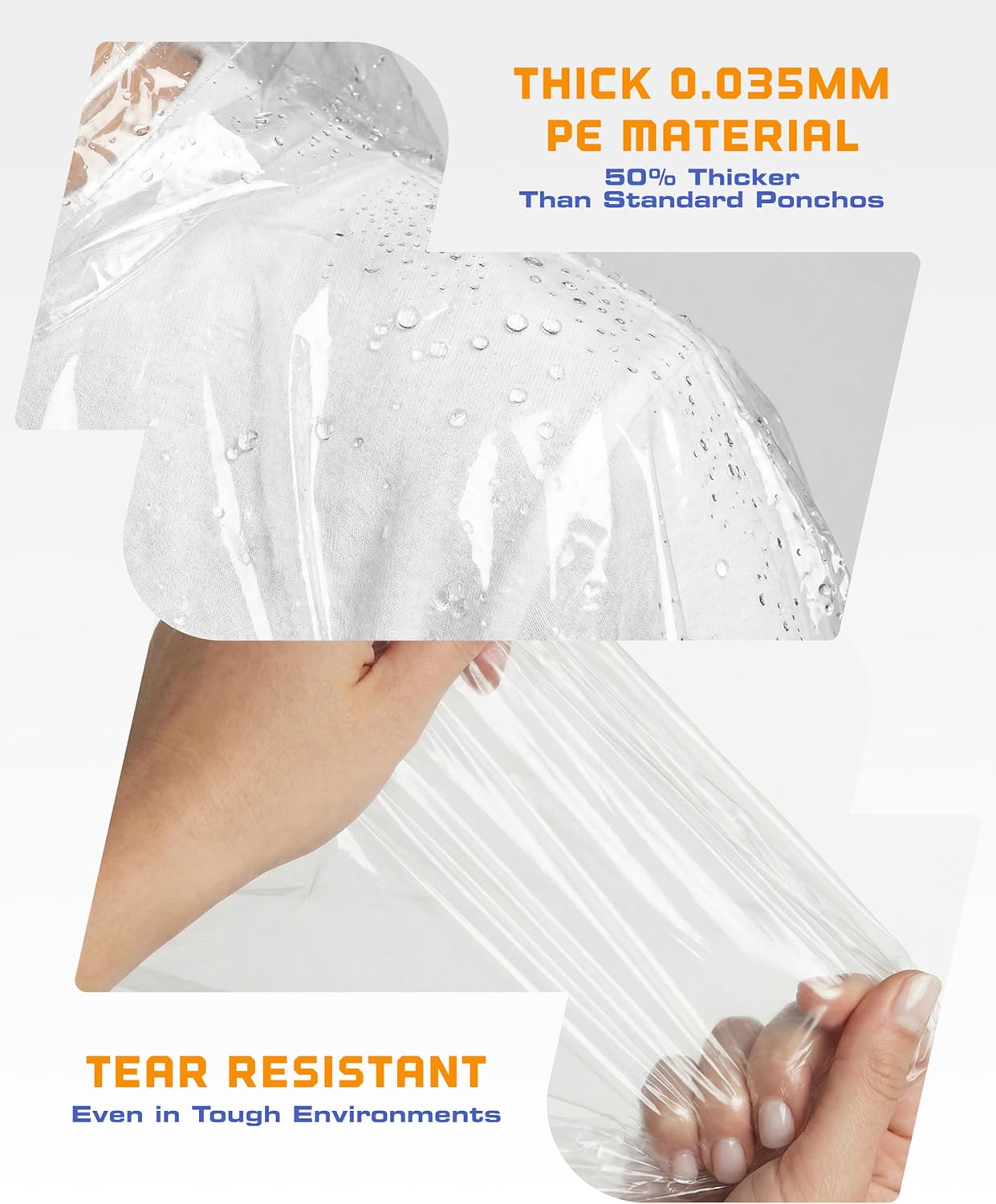
A poncho is a large, hooded sheet that drapes over your body and often covers your pack. It offers excellent ventilation and quick coverage for a passing shower. Ponchos are lightweight and inexpensive, making them easy to keep in the car or daypack. However, they can catch wind, snag on branches, and are less durable than a jacket and pants combination. For car camping or short excursions, a poncho can be all you need.
Layering Under Your Rain Gear
Rain shells only keep water out; they provide almost no insulation. Your warmth comes from the layers underneath, and the same rule applies whether you are hiking or sitting at camp: never wear cotton. Cotton absorbs moisture, holds it against your skin, and loses its insulating ability when wet. Instead, use synthetic materials or wool.
Base Layers
A base layer sits directly against your skin and moves sweat away. Choose a long-sleeved top made from merino wool or a synthetic fabric like polyester or nylon. Merino wool feels soft and stays warm even when damp. Synthetic fibers dry quickly and are durable. Both beat cotton in cool rain. For your lower body, a pair of wicking shorts or tights works well under rain pants.
Mid Layers
The mid layer traps body heat to keep you warm. Fleece is the standard choice because it dries quickly and retains warmth even when wet. A synthetic insulated jacket also works. Avoid down insulation for the mid layer. Down loses its loft and warmth quickly when it gets wet. If you use a down jacket for dry, cold weather, wear a fleece or synthetic layer underneath your rain jacket when rain is likely.
For more details on building a complete layering system, see the rain camping clothing guide.
Footwear and Hats
Waterproof Footwear versus Quick-Drying Shoes
Your feet take a beating in wet campsites. The right choice depends on whether you plan to hike or mainly stay around camp.
| Option | Best For | Trade-Offs |
|---|---|---|
| Waterproof boots | Muddy trails, cold rain, puddles | Heavier, less breathable, and slow to dry if water gets in |
| Quick-drying shoes | Warm rain, short walks, camp chores | Let water in but drain and dry fast; need fresh socks later |
| Low waterproof shoes | Light hiking and camp | Less ankle support than boots, but more protection than mesh shoes |
If you wear waterproof boots, pair them with gaiters or rain pants that cover the top of the boot so water cannot pour in from above. If you wear quick-drying shoes, accept that your feet will get wet, and change into a dry pair of socks whenever you stop moving. Always carry at least three sets of socks: one on your feet, one drying, and one dry to change into.
Hats
A good hat keeps rain from running into your eyes and off the back of your neck. For heavy, steady rain, a wide-brimmed rain hat with a chin strap is useful. It creates a drip edge that keeps your face drier. For active hiking, a wool or synthetic beanie under your hood works better because it stays in place and does not block your view. In a mild shower, a baseball cap under your jacket hood can keep water off your face while letting you stay aware of your surroundings.
Keeping a Dry Set for Camp and Sleep
The most important rule for rainy camping is to separate your wet outerwear from your sleeping and lounge clothing. Pack a distinct set of dry clothes for camp, including a shirt, pants, and socks, inside a waterproof stuff sack or dry bag. When you stop moving for the day, change into those clothes immediately, even if your rain layers are still dry. Your body will cool down once you are inactive, and sitting in damp clothes raises the risk of hypothermia.
Keep your sleep clothing in the same dry bag, or use a separate bag if you keep camp and sleep clothes in different places. Never crawl into a sleeping bag wearing wet clothes, even if you feel warm. A single damp layer can chill you overnight in cool temperatures. For a step-by-step approach to managing your gear and campsite, read how to camp in the rain and stay dry.
Hypothermia Warning Signs in Cool Rain
Hypothermia can happen in weather far above freezing when a person is wet, windy, or inactive. Rain strips heat from your body at a steady rate, and the danger increases once you stop moving. Know the warning signs so you can act early.
- Shivering that is uncontrolled or violent
- Clumsiness or difficulty walking
- Slurred speech or confusion
- Exhaustion or a sudden loss of energy
- Stopping shivering even though you are still cold
If you or someone in your group shows any of these signs, get out of the rain immediately. Remove wet clothing, wrap the person in dry insulating layers, give warm sweet drinks if they are alert, and seek emergency medical attention. Do not ignore shivering; it is the body’s first warning that it is losing heat faster than it can produce it.
Features That Actually Matter
When choosing rain gear, focus on features that affect how well the shell performs in active camping settings.
- Adjustable hoods: Look for a hood with a stiff brim or a drawcord that can cinch tight around your face so it moves with your head.
- Pit zips or vents: These open to release trapped heat during activity, which prevents you from sweating out your base layer.
- Storm flaps: A flap behind or over the front zipper keeps rain from forcing its way through the zipper seam.
- Adjustable cuffs and hem: Seals that fit snugly keep water and wind out without restricting movement.
- Seam tape: All rain jackets and pants should have taped seams at every stitch line. Untaped seams leak.
Breathability generally matters more for hikers than for campers because the more you move, the more sweat you produce. If you sit still most of the day, a coated jacket with vents can be sufficient. For a deeper explanation of what waterproof ratings mean, see waterproof ratings explained.
Sizing and Fit
Rain gear needs enough room for a base layer and a mid layer underneath, but not so much that the fabric bunches and catches water. Try on a rain jacket while wearing the layers you plan to use. Raise your arms overhead; the sleeves should stay over your wrists. The hem should cover your waist when you reach forward, and the hood should fit over a wool hat without constricting your vision.
For rain pants, choose a size that lets you bend, sit, and step over a downed log. The leg cuffs should be wide enough to slide over hiking boots. Some pants have suspenders or an elastic waist, which can help them stay up without a belt. Before a trip, wear your new gear for a short walk in a light drizzle to see where water collects or where movement feels restricted.
Common Buying Mistakes
One common mistake is buying only a jacket and skipping rain pants. In a wet campsite, your legs will be constantly brushing against wet grass, chairs, and car doors, so pants are just as important. Another mistake is assuming a waterproof-breathable jacket keeps you perfectly dry. It will not protect you from your own sweat if you work hard while wearing it. Choose breathability based on your activity level, not just on marketing claims.
Do not confuse water-resistant with waterproof. A water-resistant jacket may be fine for a sprinkle, but it will wet through in steady rain. Also avoid cotton undergarments. Even the best rain shell can leak a little at the seams or cuffs, and cotton will wick that moisture straight to your skin. Finally, test your rain gear before going on a trip. A jet of water from a kitchen sprayer in a sink can reveal leaking seams, a badly designed hood, or sleeves that are too short.
Care, Cleaning and Upkeep
Waterproof-breathable jackets and pants need regular cleaning to keep functioning. Dirt, body oils, and campfire smoke can clog the membrane and cause rain to soak into the outer fabric. Clean your gear with a technical cleaner that is free of harsh detergents and fabric softeners. Follow the manufacturer’s instructions closely. Fabric softeners can damage the membrane and leave a residue that attracts dirt.
After cleaning, refresh the durable water repellent (DWR) coating on the outer fabric. You can do this by applying a spray-on or wash-in DWR product and then drying the garment at low heat per the label. When water still beads and runs off the surface, the DWR is fine. When it soaks into the fabric and darkens the look of the shell, it is time to reapply. Store rain gear loosely in a breathable cupboard rather than vacuum-compressed, so the membrane does not crease or lose its shape.
FAQ
Can I wear cotton when camping in the rain?
No. Cotton holds water, loses its warmth when wet, and takes a long time to dry. Use synthetic or wool base and mid layers in cool, wet conditions.
Are ponchos better than rain jackets?
Ponchos offer better ventilation and pack down small, but they flap in the wind, catch on branches, and are less durable. A jacket and pants combo gives more reliable protection in sustained rain.
How do I keep my feet dry in a rainy camp?
Wear waterproof boots with rain pants over the cuffs, or accept that quick-drying shoes will get wet and pack extra socks. Change into dry socks the moment you stop moving.
What should I do if I start shivering in cool rain?
Stop and get out of the rain. Change into dry clothes, add a warm dry layer, and drink something warm. Uncontrolled shivering is a warning sign of hypothermia, so do not push on.
Rain camping clothing does not need to be complicated, but it does need to follow a simple system: a waterproof shell, breathable layers beneath, dry footwear backups, and a separate dry set for rest. With those elements in place, you can stay comfortable and safe even when the forecast looks wet.